



Choosing a gaming processor in 2026 requires looking beyond core counts and maximum clock speeds. Platform cost, motherboard requirements, memory type and the performance you actually need all affect the final value of a PC build.
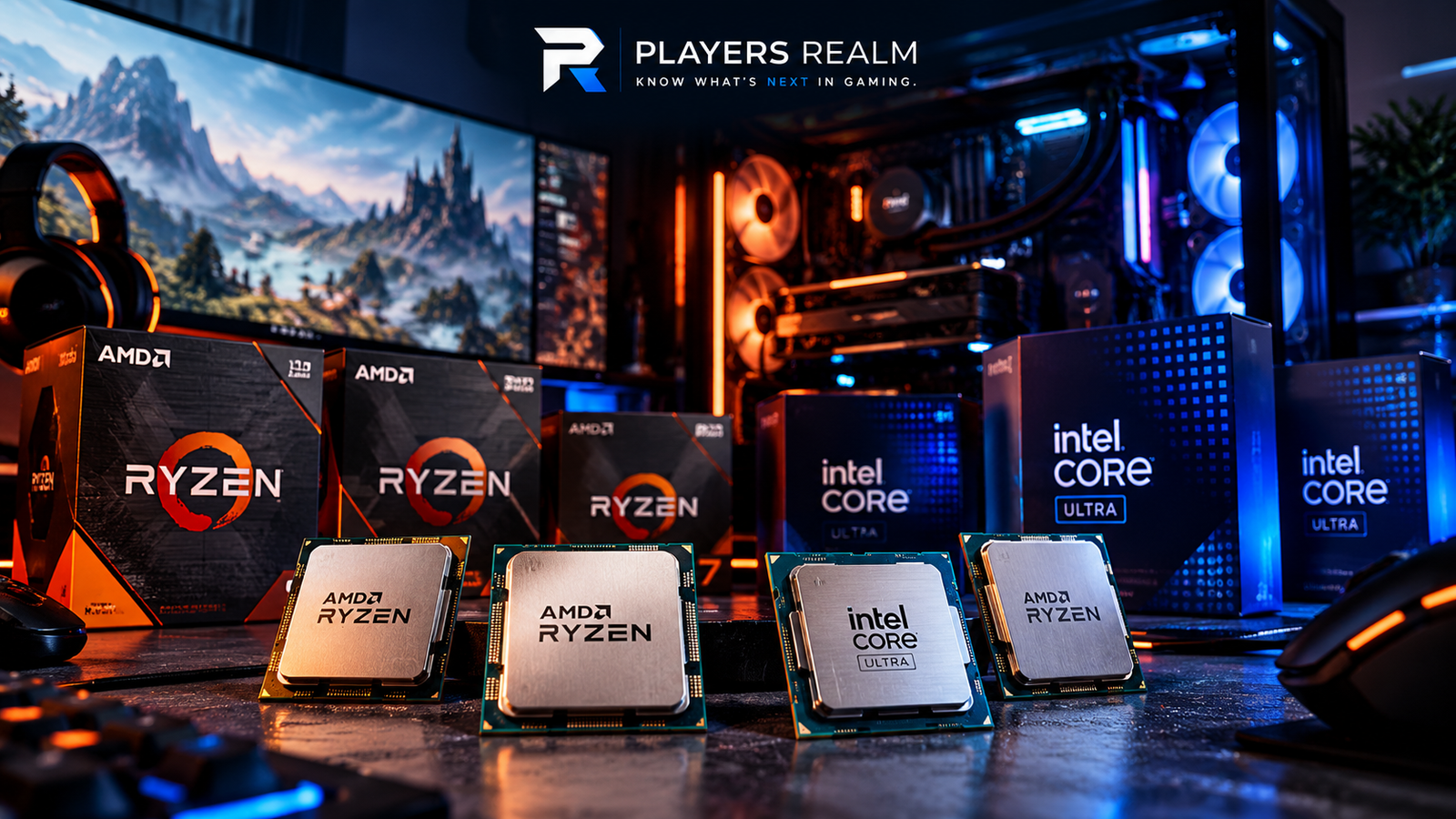
For this selection, Players Realm picked seven CPUs across different price and performance segments. There are accessible AM5 options, newer Zen 5 models, Intel Core Ultra alternatives and X3D processors aimed particularly at gaming-focused systems.
We do not use a fixed price as the deciding factor because pricing and availability change constantly. Before buying, compare the processor's current price along with the total platform cost, including the motherboard, memory and cooling when required.
1. AMD Ryzen 5 7600X — a strong entry point into AM5
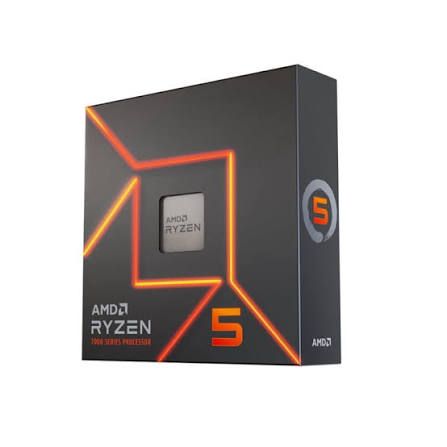
The Ryzen 5 7600X remains a relevant option for builders who want an AM5 gaming PC without immediately moving into AMD's more expensive CPUs.
It uses the Zen 4 architecture and features 6 cores, 12 threads, a 4.7 GHz base clock and boost frequencies up to 5.3 GHz. It includes 32MB of L3 cache and supports DDR5 and PCIe 5.0.
The AM5 socket also gives builders access to AMD's newer desktop platform. Keep in mind that the 7600X has a 105W default TDP and its boxed version does not include a thermal solution.
Best for: a balanced AM5 gaming PC on a controlled budget.
2. AMD Ryzen 5 9600X — efficient Zen 5 for a modern gaming PC
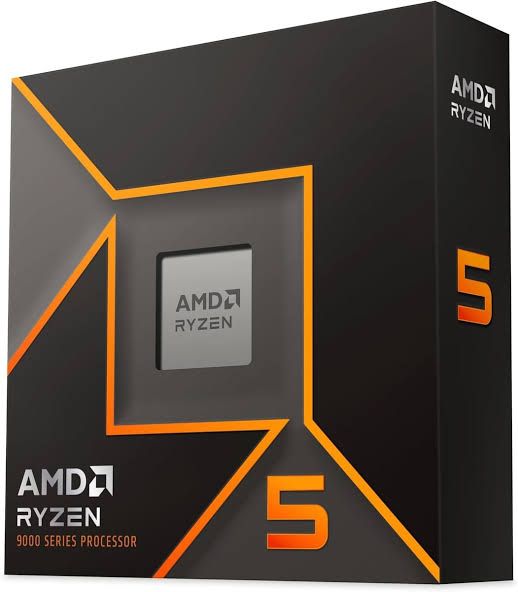
The Ryzen 5 9600X updates AMD's six-core offering with the Zen 5 architecture. It retains 6 cores and 12 threads while offering boost frequencies up to 5.4 GHz and a 65W default TDP.
The processor features 32MB of L3 cache, uses the AM5 socket and supports DDR5 and PCIe 5.0. Like other X-series processors in this selection, AMD does not include a cooler with the boxed CPU.
For a new build, it becomes particularly attractive when its price is close to comparable Zen 4 processors.
Best for: a new AM5 gaming PC prioritizing Zen 5 and efficiency.
3. Intel Core Ultra 5 245K — a versatile LGA1851 option
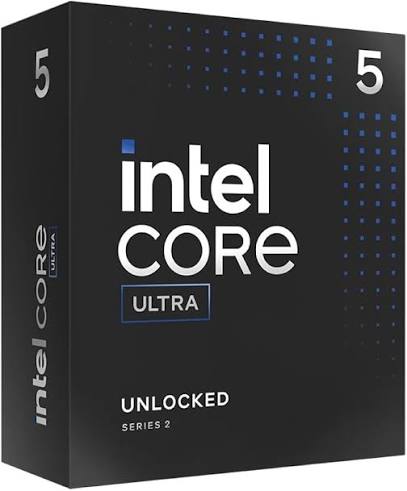
The Core Ultra 5 245K represents an Intel alternative for builders assembling a system around the LGA1851 platform.
This Arrow Lake processor features 14 cores divided into 6 Performance-cores and 8 Efficient-cores, for 14 total threads. P-core frequencies reach up to 5.2 GHz and the processor includes 24MB of Intel Smart Cache.
The K-series chip is unlocked and uses DDR5 memory. For users who do more than gaming, its hybrid architecture makes the 245K worth comparing with Ryzen alternatives while also considering motherboard cost.
Best for: a versatile Intel PC for gaming and productivity.
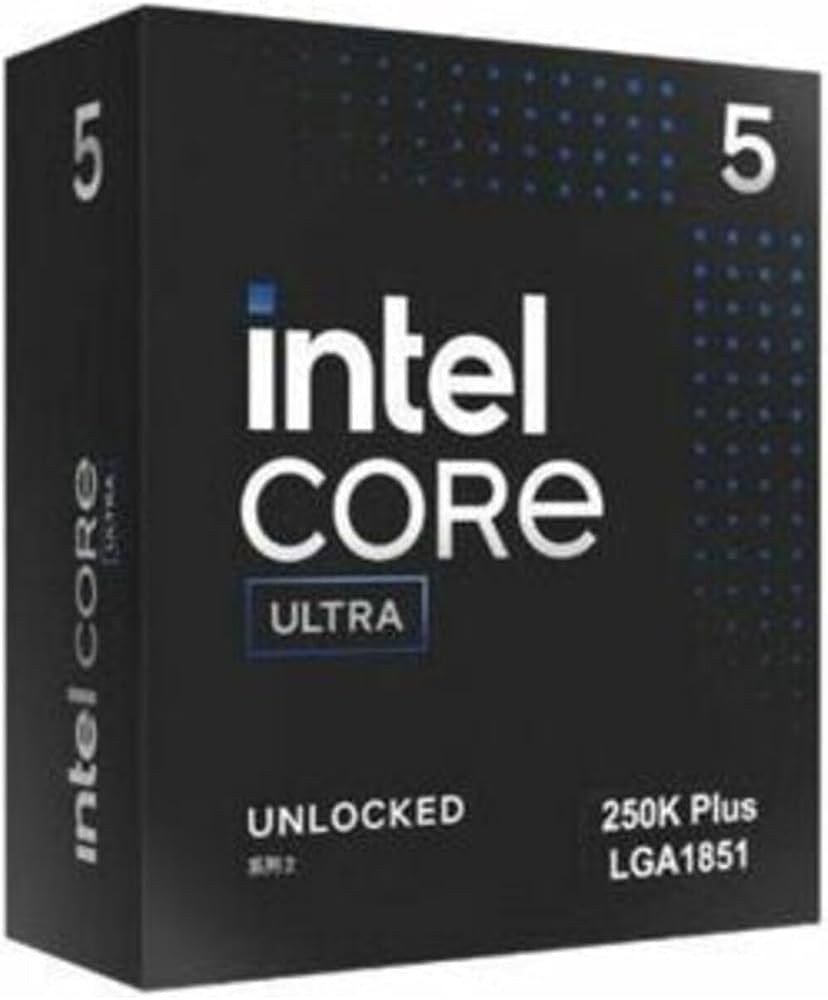
4. Intel Core Ultra 5 250K Plus — more cores in the Core Ultra 5 tier
The Core Ultra 5 250K Plus arrived in 2026 with an expanded desktop Core Ultra 5 configuration.
It features 18 cores, consisting of 6 Performance-cores and 12 Efficient-cores, with 18 threads, 30MB of Intel Smart Cache and maximum turbo frequencies up to 5.3 GHz. Intel specifies 125W processor base power and 159W maximum turbo power.
The processor also officially supports DDR5 speeds up to 7200 MT/s and uses the LGA1851 platform.
Its core count makes it particularly interesting for users who combine gaming with content creation or parallel workloads.
Best for: gaming, multitasking and content creation on LGA1851.
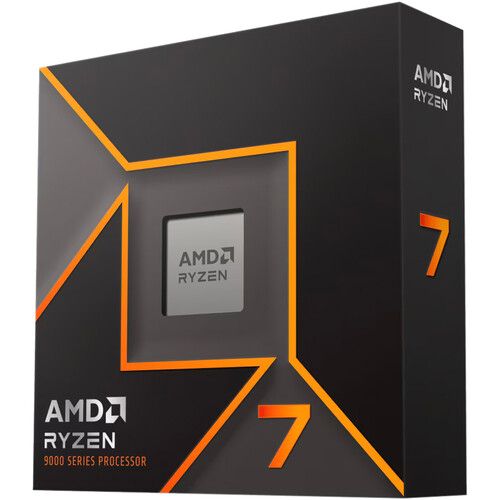
5. AMD Ryzen 7 9700X — eight Zen 5 cores at a 65W default TDP
The Ryzen 7 9700X increases the count to 8 cores and 16 threads while retaining the Zen 5 architecture and a 65W default TDP.
It reaches boost frequencies up to 5.5 GHz, includes 32MB of L3 cache and uses the AM5 socket. Official support includes DDR5 memory and PCIe 5.0.
The two additional cores compared with the Ryzen 5 processors in this list make the 9700X a more flexible alternative for users who game, stream, work or run applications that benefit from additional threads.
Best for: a mixed-use PC for gaming and productivity.
6. AMD Ryzen 5 7600X3D — six cores with 3D V-Cache
The Ryzen 5 7600X3D is an option aimed particularly at gaming thanks to AMD 3D V-Cache technology.
It combines 6 Zen 4 cores and 12 threads with 96MB of L3 cache. Maximum boost frequency reaches 4.7 GHz and the default TDP is 65W.
The large cache is the key gaming-oriented differentiator of AMD's X3D family. Availability of the 7600X3D is more limited than that of many conventional Ryzen processors, so its value depends heavily on the price at which you can find it.
Best for: gaming-focused performance when available at a good price.
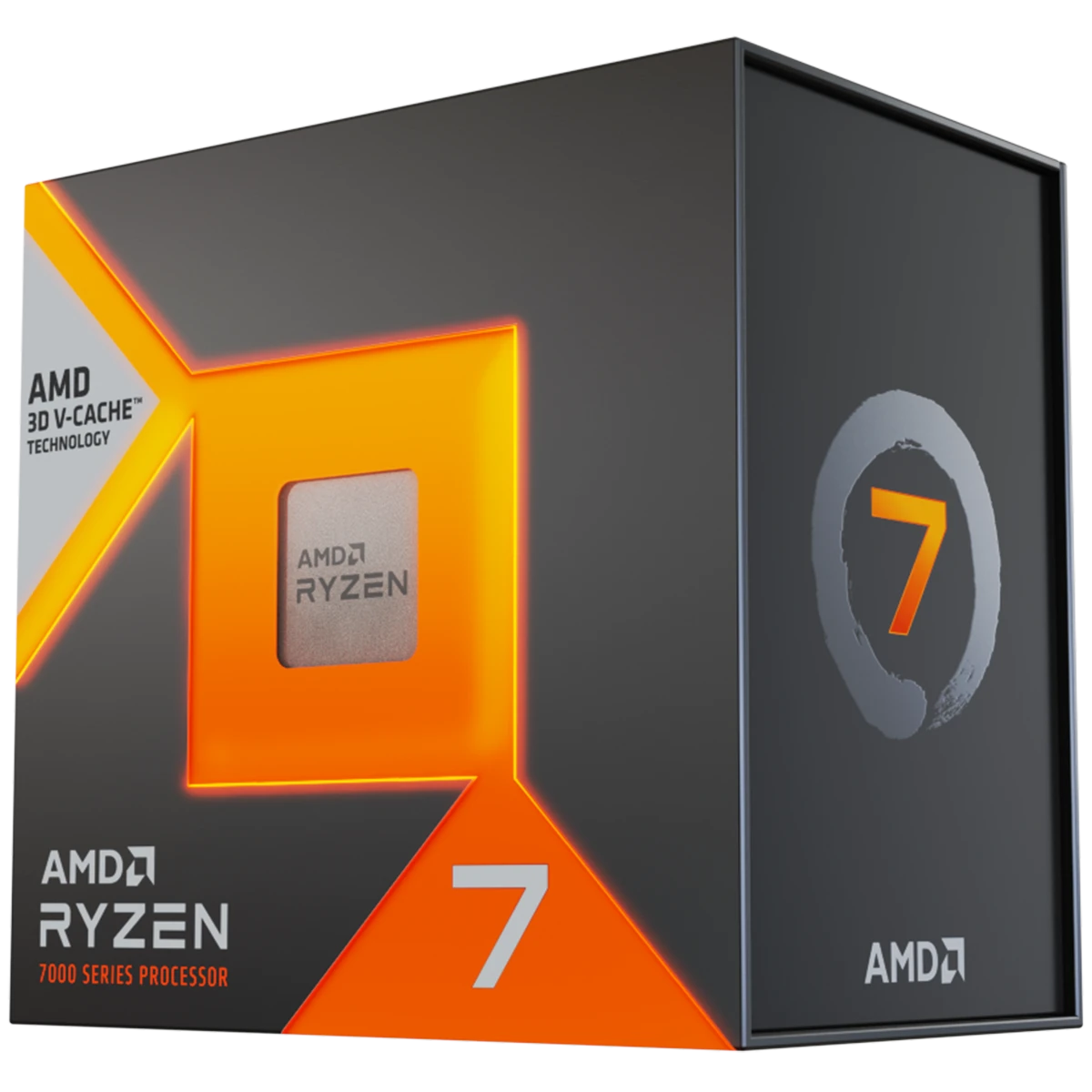
7. AMD Ryzen 7 7800X3D — an eight-core X3D option
The Ryzen 7 7800X3D remains relevant for machines dedicated primarily to gaming, particularly when discounts reduce the price gap to newer alternatives.
It features 8 Zen 4 cores and 16 threads, boost frequencies up to 5.0 GHz and 96MB of L3 cache through AMD 3D V-Cache. Its default TDP is 120W and it uses the AM5 socket.
As an older-generation CPU, current pricing is critical. The 7800X3D makes significantly more sense when discounted than when its price approaches that of newer X3D processors.
Best for: a high-performance gaming PC when pricing is competitive.
Which value gaming CPU should you buy in 2026?
For a more affordable AM5 build, the Ryzen 5 7600X and Ryzen 5 9600X are natural starting points. The 9700X adds two additional cores for users who also run heavier workloads.
On the Intel side, the Core Ultra 5 245K and 250K Plus serve builders who prefer the LGA1851 platform and want to combine gaming with productivity. The Ryzen 5 7600X3D and Ryzen 7 7800X3D put a stronger emphasis on gaming through their large L3 caches.
The best purchase can change quickly as promotions appear. Always compare the CPU, motherboard, memory and cooling as a complete package. A processor that looks cheaper can result in a more expensive overall platform, while a slightly more expensive CPU can make sense if it works with components you already own.
Also confirm motherboard compatibility and any required BIOS version before purchasing.