



Buying a graphics card in 2026 requires more than simply choosing the fastest GPU within your budget. Prices vary substantially between manufacturers and retailers, and a great GPU at its recommended price can become poor value when sold far above it.
This selection therefore considers performance, available memory, architecture generation, upscaling and frame-generation features, intended use and, crucially, the price at which each model can actually be found. The order is not an absolute performance ranking: a promotion can quickly change which card delivers the strongest value.
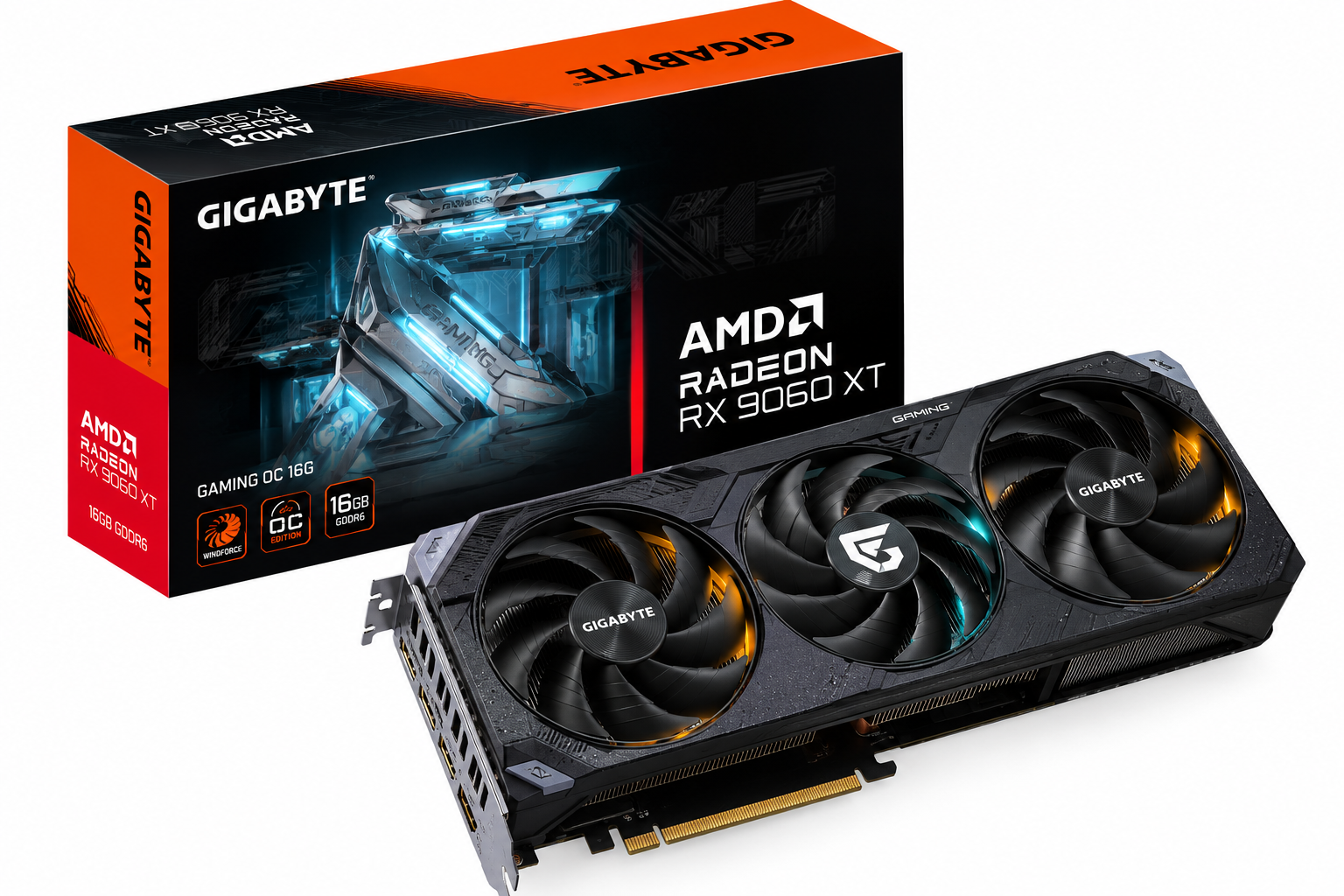
1. Gigabyte Radeon RX 9060 XT Gaming OC 16G — our balanced 1440p reference
The 16GB Radeon RX 9060 XT is one of the more interesting current-generation GPUs for buyers who want substantial memory without immediately moving into the most expensive segments. Gigabyte's Gaming OC combines the RDNA 4 GPU with 16GB of GDDR6 and its Windforce cooling system.
AMD positions the RX 9060 XT 16GB for 1440p gaming and confirms 32 compute units, 16GB of GDDR6, a 128-bit interface, DisplayPort 2.1a and HDMI 2.1b support. Gigabyte's model uses a single 8-pin power connector and lists a 450W recommended PSU.
For buyers planning to keep their GPU for several years, 16GB is an important advantage over 8GB alternatives around the same price. Still, check the exact price before buying because premium RX 9060 XT variants can lose much of their value advantage.
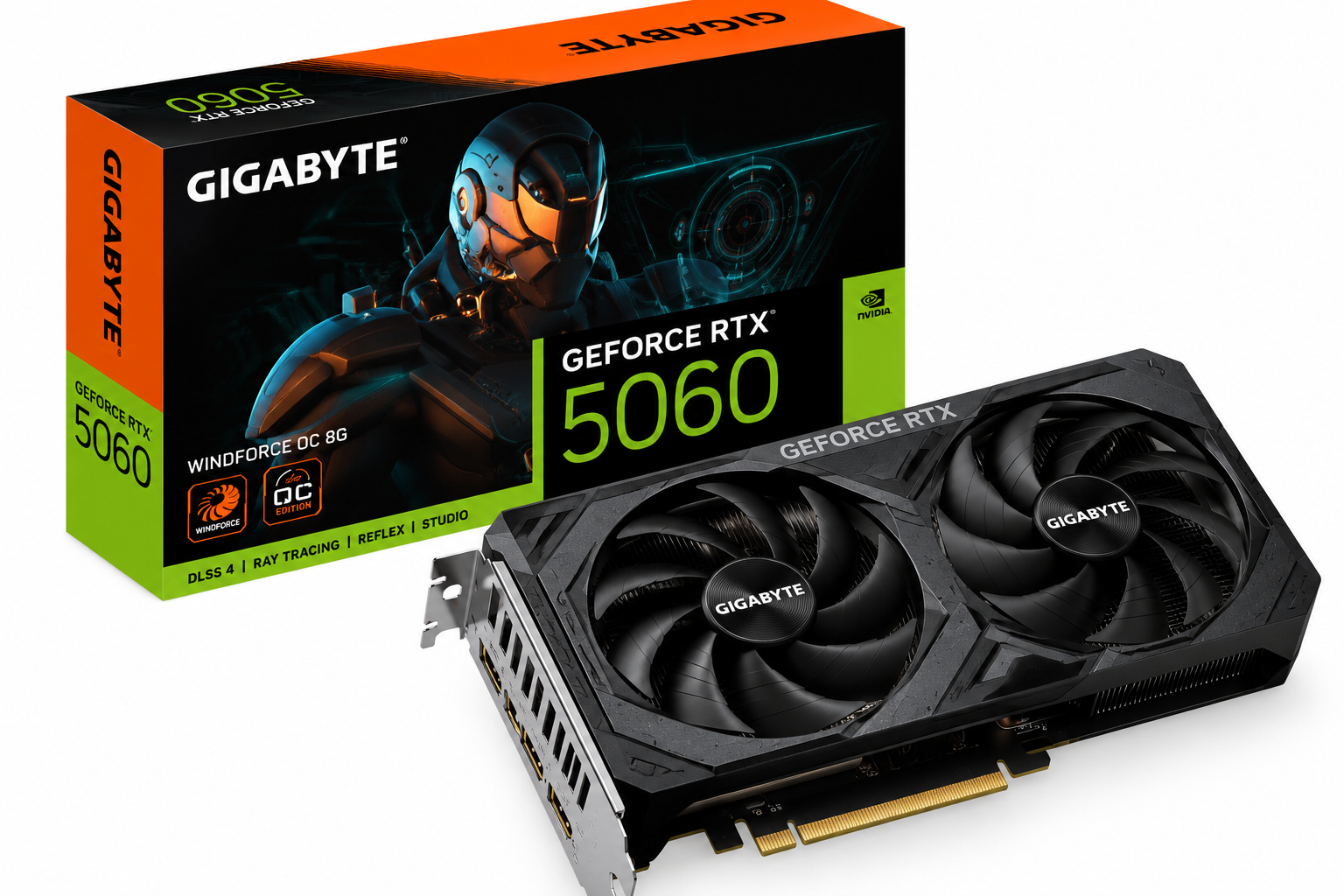
2. Gigabyte GeForce RTX 5060 Windforce OC 8G — an entry point into Blackwell and DLSS
The RTX 5060 is an option for buyers who prioritize NVIDIA's ecosystem and want a Blackwell GPU without moving into the upper RTX 50-series tiers. NVIDIA's official specification includes 3,840 CUDA cores, 8GB of GDDR7 memory and the current RTX feature set.
The key limitation is the 8GB memory capacity. For competitive gaming and many 1080p titles, the RTX 5060 remains relevant, but buyers interested in heavier textures, higher resolutions or longer-term use should compare its price against 12GB and 16GB alternatives.
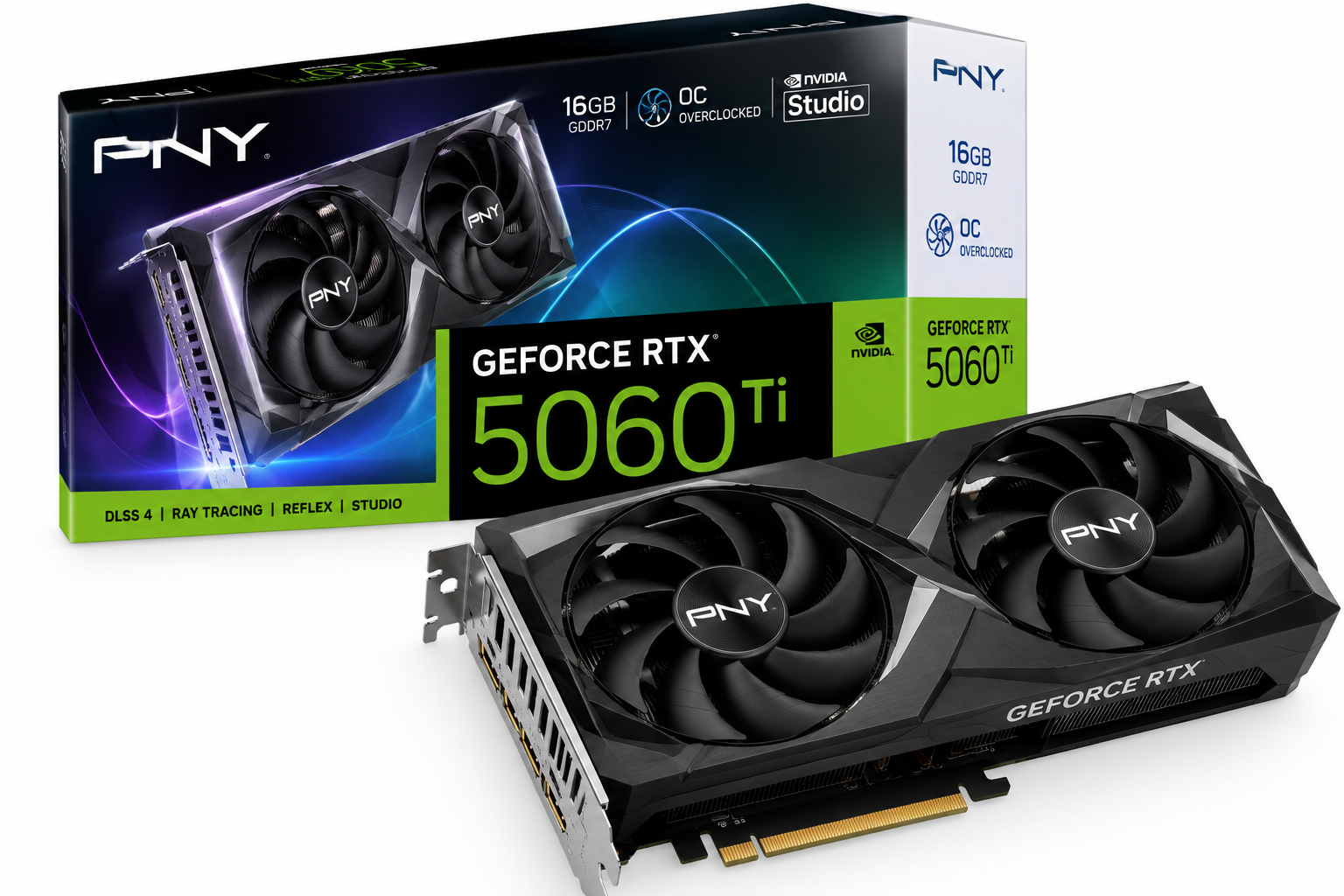
3. PNY GeForce RTX 5060 Ti 16GB Overclocked Dual Fan — NVIDIA with 16GB
The 16GB RTX 5060 Ti addresses one of the biggest limitations of midrange GPUs equipped with only 8GB. PNY confirms 16GB of GDDR7, 4,608 CUDA cores and the Blackwell architecture for its Overclocked Dual Fan model.
It also includes the RTX 50 generation's feature set, including DLSS and dedicated acceleration for ray tracing and AI workloads. For creators who also game, NVIDIA's ecosystem and the 16GB capacity make this configuration more versatile than lower-memory models.
Value depends heavily on price. When the RTX 5060 Ti 16GB gets too close to an RTX 5070 or faster Radeon cards, compare performance and features carefully before buying.
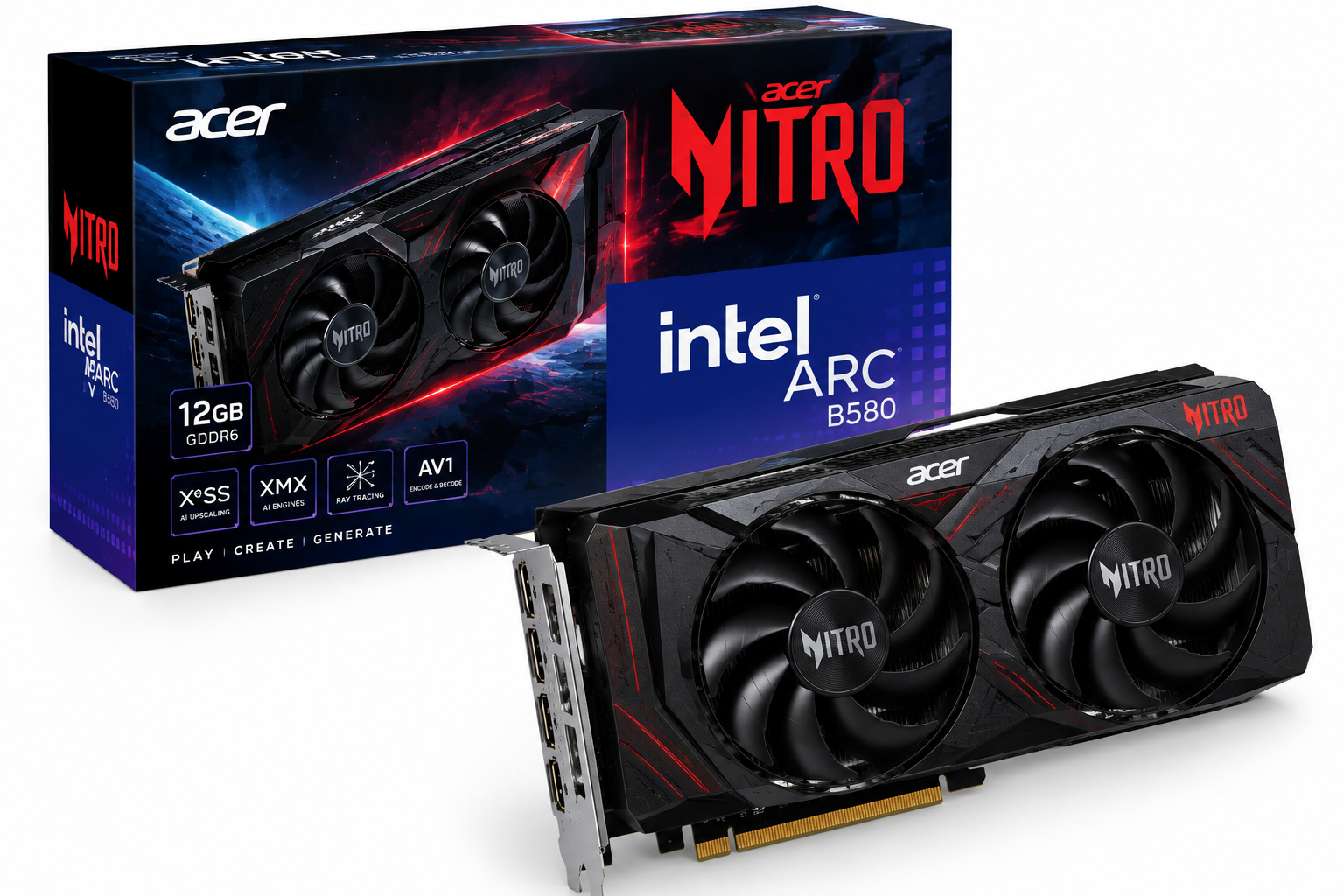
4. Acer Nitro Intel Arc B580 OC 12GB — generous memory at a lower tier
The Arc B580 remains one of the more distinctive propositions in the GPU market. Intel's official specifications confirm 12GB of GDDR6 on a 192-bit interface, 20 Xe-cores and support for ray tracing, XeSS and AV1 encoding and decoding.
Acer's Nitro version retains the 12GB capacity and uses Intel's Arc B-Series architecture. That memory capacity is attractive in a segment where several competitors still offer only 8GB.
Buyers should keep in mind that Intel's gaming experience can vary more by title than the mature AMD and NVIDIA ecosystems. Checking performance in the specific games you play remains particularly important before choosing an Arc GPU.
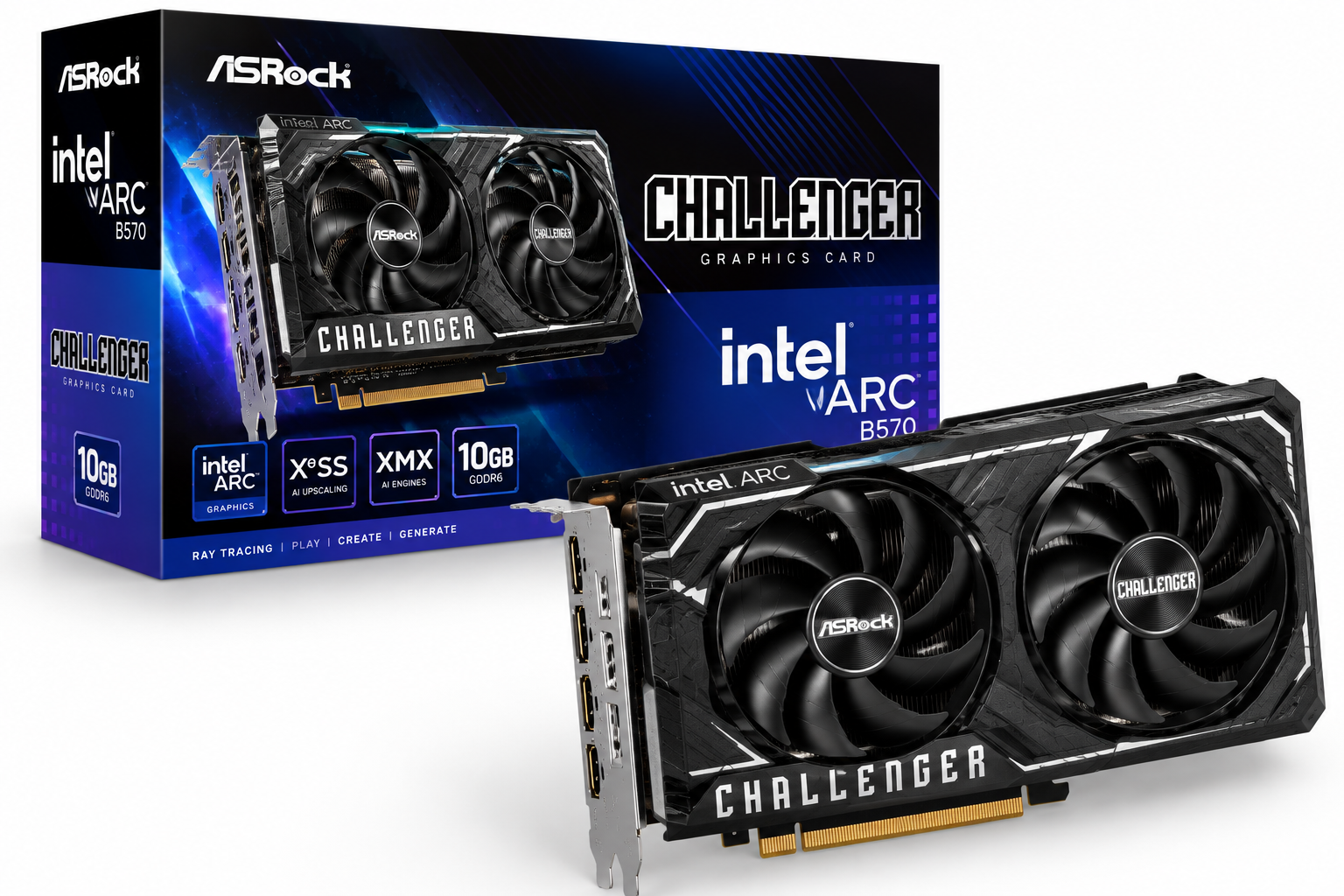
5. ASRock Intel Arc B570 Challenger 10GB OC — a 10GB entry-level alternative
The Arc B570 sits below the B580 in Intel's Battlemage family and offers a lower-cost alternative to many 8GB cards. Intel confirms 18 Xe-cores for the B570 and 380 GB/s of memory bandwidth.
ASRock's Challenger model carries 10GB of GDDR6. As with the B580, the price-to-performance proposition can be attractive, but compatibility and performance should be checked against the games in your own library.
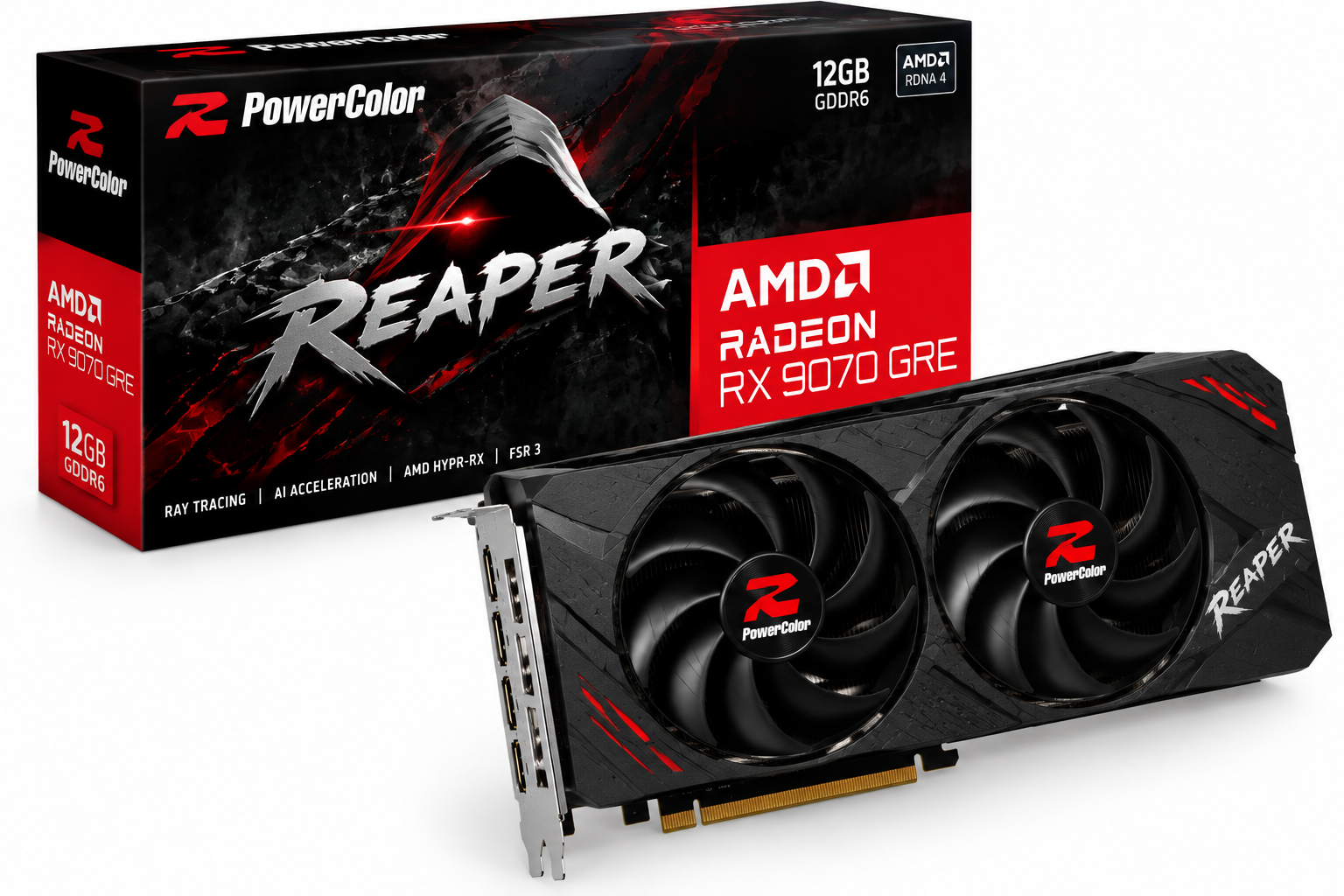
6. PowerColor Radeon RX 9070 GRE Reaper 12GB — one of the market's most interesting current tiers
The RX 9070 GRE occupies an interesting position between mainstream GPUs and more expensive Radeon cards. In September 2026, RX 9070 GRE models have appeared at aggressive prices in the US market, making the GPU particularly relevant to a value-focused buying guide.
PowerColor's Reaper version uses 12GB of memory. It makes sense for players who want to step beyond entry and mainstream cards without necessarily paying for RX 9070 XT-class hardware.
Because the price gap to a full RX 9070 can change substantially, compare both cards on the day you buy.
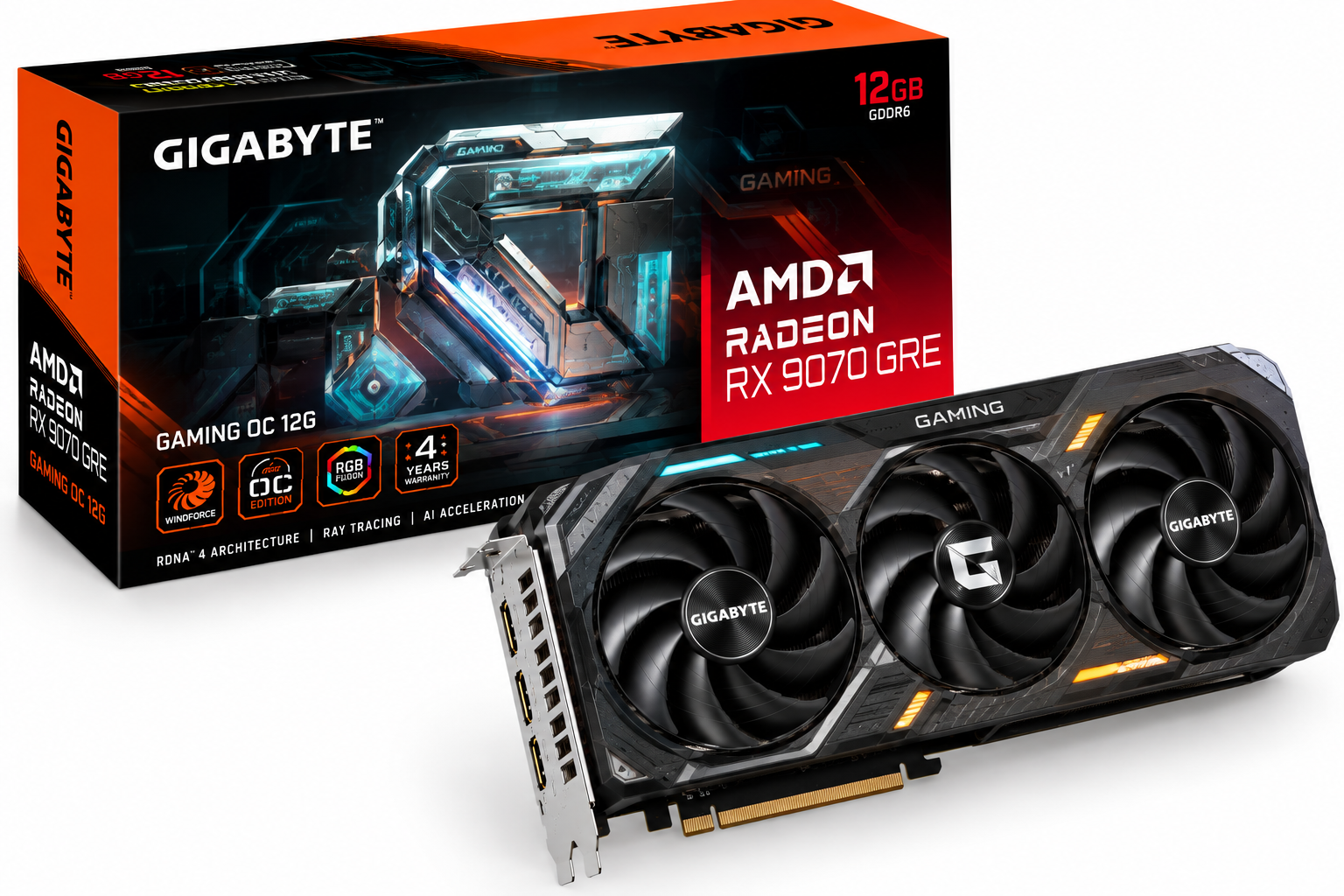
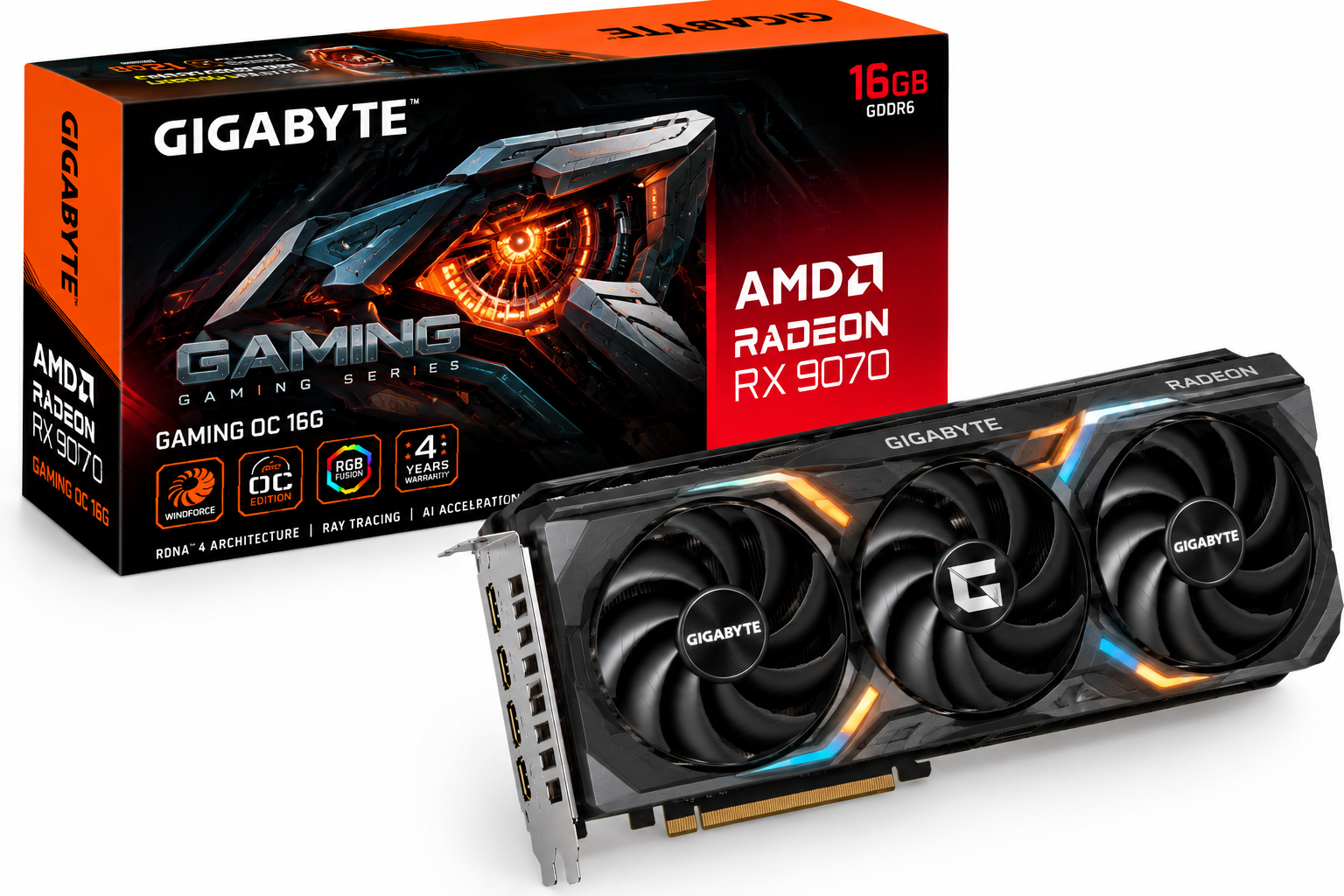
7. Gigabyte Radeon RX 9070 GRE Gaming OC 12G — a premium RX 9070 GRE implementation
Gigabyte's Gaming OC is another RX 9070 GRE implementation with 12GB of GDDR6. It targets buyers who prefer the cooling and construction of Gigabyte's Gaming OC line.
It only retains its value advantage when priced reasonably close to less expensive RX 9070 GRE models. If the premium becomes too large, a 16GB RX 9070 becomes an essential comparison.
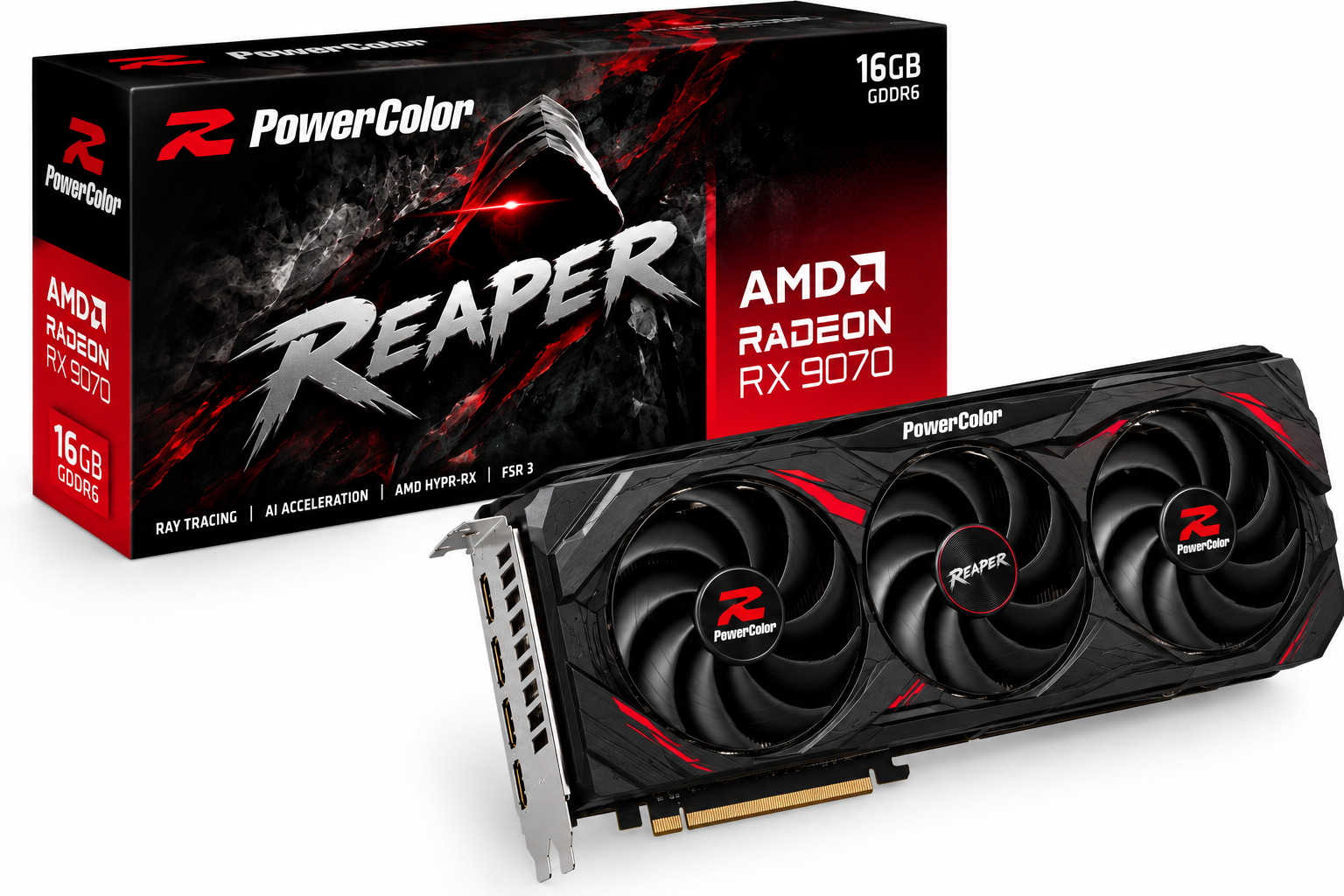
8. PowerColor Radeon RX 9070 Reaper 16GB — a strong entry point into higher performance
The Radeon RX 9070 is one of the more balanced RDNA 4 cards. AMD confirms 56 compute units, 16GB of GDDR6 on a 256-bit interface, 220W typical board power and a 650W minimum PSU recommendation.
Its 16GB capacity and wider memory interface put the RX 9070 in a different class from mainstream options. It becomes particularly compelling when available significantly below RX 9070 XT pricing.
PowerColor's Reaper is a triple-fan implementation of the GPU. Check the exact card dimensions and your system's power supply capacity before purchasing.
9. ASRock Radeon RX 9070 XT Challenger 16GB — high performance without targeting the most expensive GPUs
The RX 9070 XT provides another performance step within the RDNA 4 generation. ASRock's Challenger model has 16GB of GDDR6 on a 256-bit interface, 64 compute units and a triple-fan cooler.
ASRock recommends at least a 750W PSU for this model, which uses two 8-pin power connectors. The card measures 290 x 123 x 56 mm, so case clearance should be checked before purchase.
It earns a place here because it can provide a strong combination of performance and 16GB of memory when available at competitive prices. At large premiums, however, it stops being a value purchase and moves into premium territory.
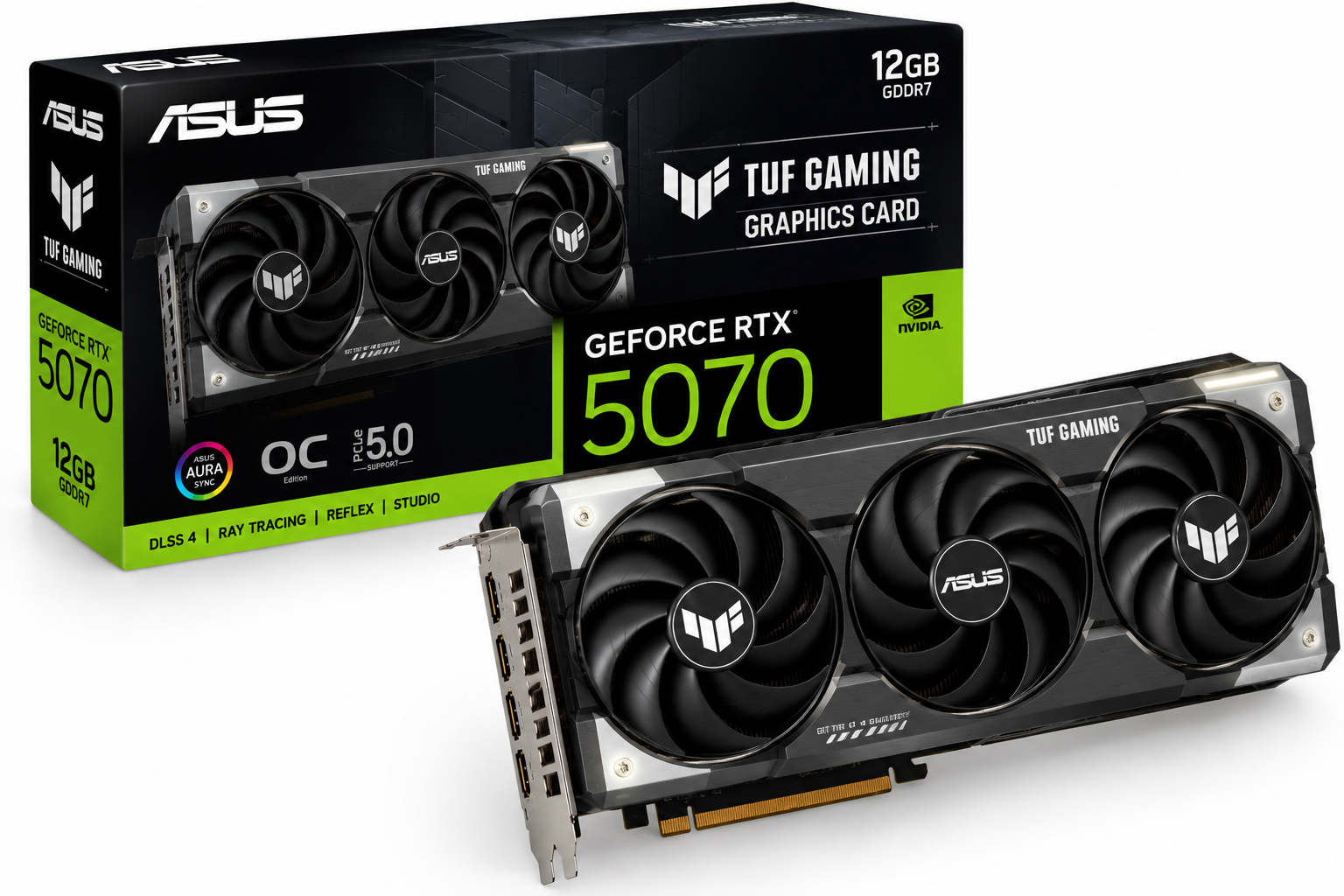
10. ASUS Prime GeForce RTX 5070 12GB — an NVIDIA option for stepping up a tier
The RTX 5070 is an alternative for buyers who want more performance than the RTX 5060 family without moving to the most expensive cards in NVIDIA's lineup. It combines the Blackwell architecture, 12GB of GDDR7 and NVIDIA's current feature ecosystem.
ASUS Prime is one of the available implementations of the GPU. Its value depends especially heavily on market pricing: during periods of inflated prices, some RTX 5070 models become too expensive to qualify as compelling value.
If you are considering an RTX 5070, compare its current price directly against the RX 9070, RX 9070 GRE and RTX 5060 Ti 16GB. The better purchase can change with promotions and availability.
Which value graphics card should you buy in 2026?
For 1080p and tighter budgets, the RTX 5060, Arc B570 and Arc B580 are worth comparing. The B580 stands out with 12GB of memory, while the RTX 5060 provides access to NVIDIA's Blackwell ecosystem.
For 1440p, the RX 9060 XT 16GB is one of the most balanced choices, particularly when available near the lower end of its market price. The RTX 5060 Ti 16GB is the NVIDIA alternative for buyers who value its specific feature set.
At the higher end, the RX 9070 GRE, RX 9070 and RX 9070 XT can deliver attractive performance per dollar depending on current deals. The RTX 5070 remains relevant for buyers who prefer NVIDIA's technologies, but its market price deserves close attention.
Do not buy based only on the GPU name. Compare the exact variant's price, memory capacity, card dimensions, power connectors, recommended PSU and performance in the games you actually intend to play. In a volatile GPU market, the best-value graphics card can change from one week to the next.