

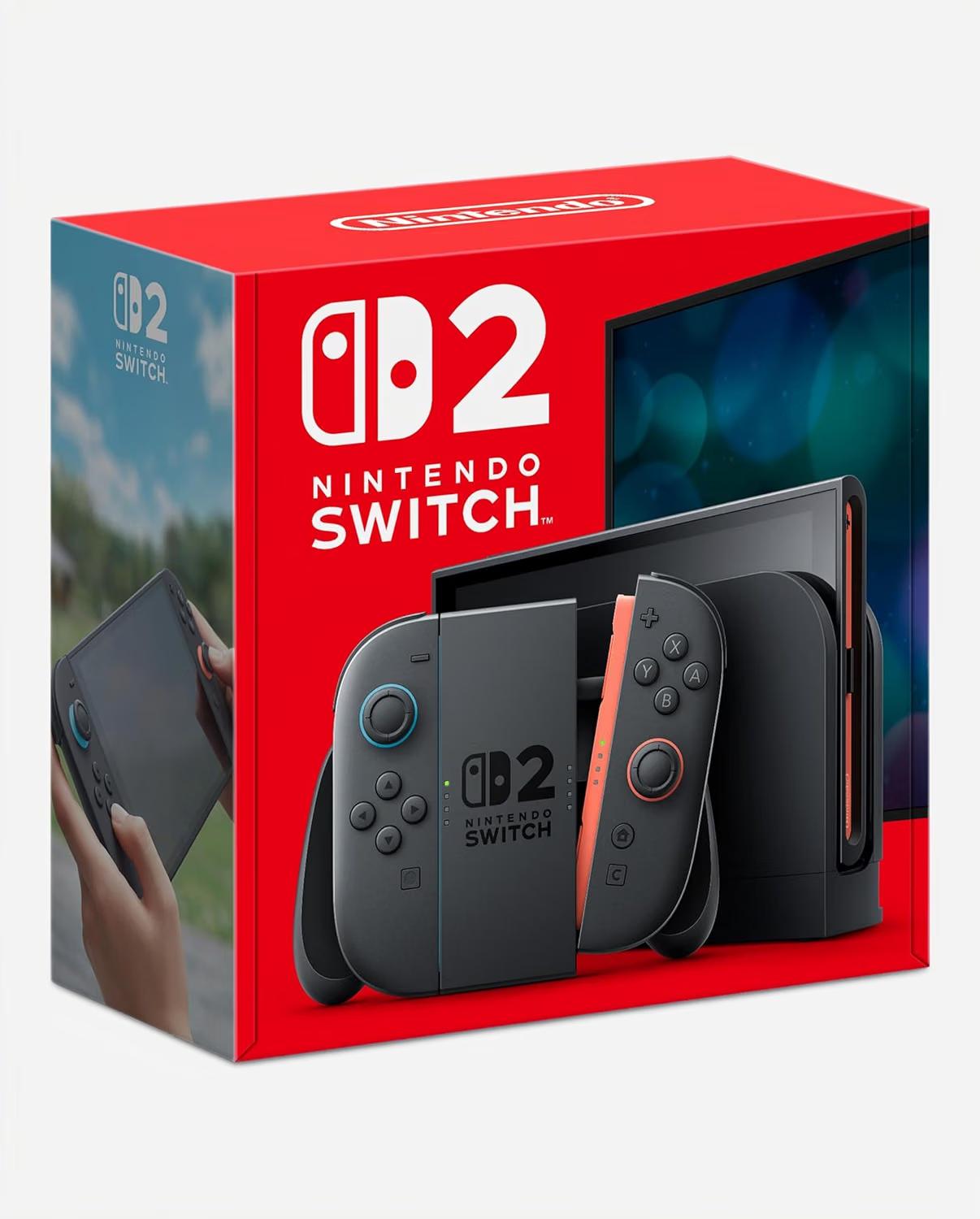
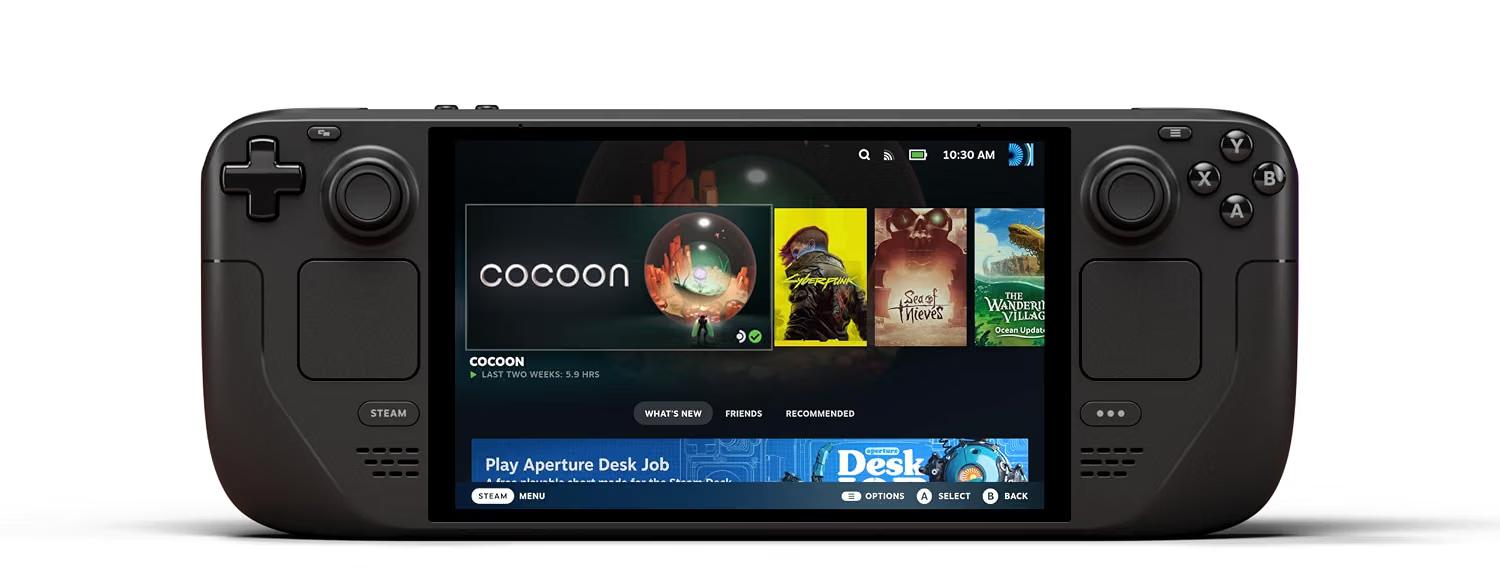
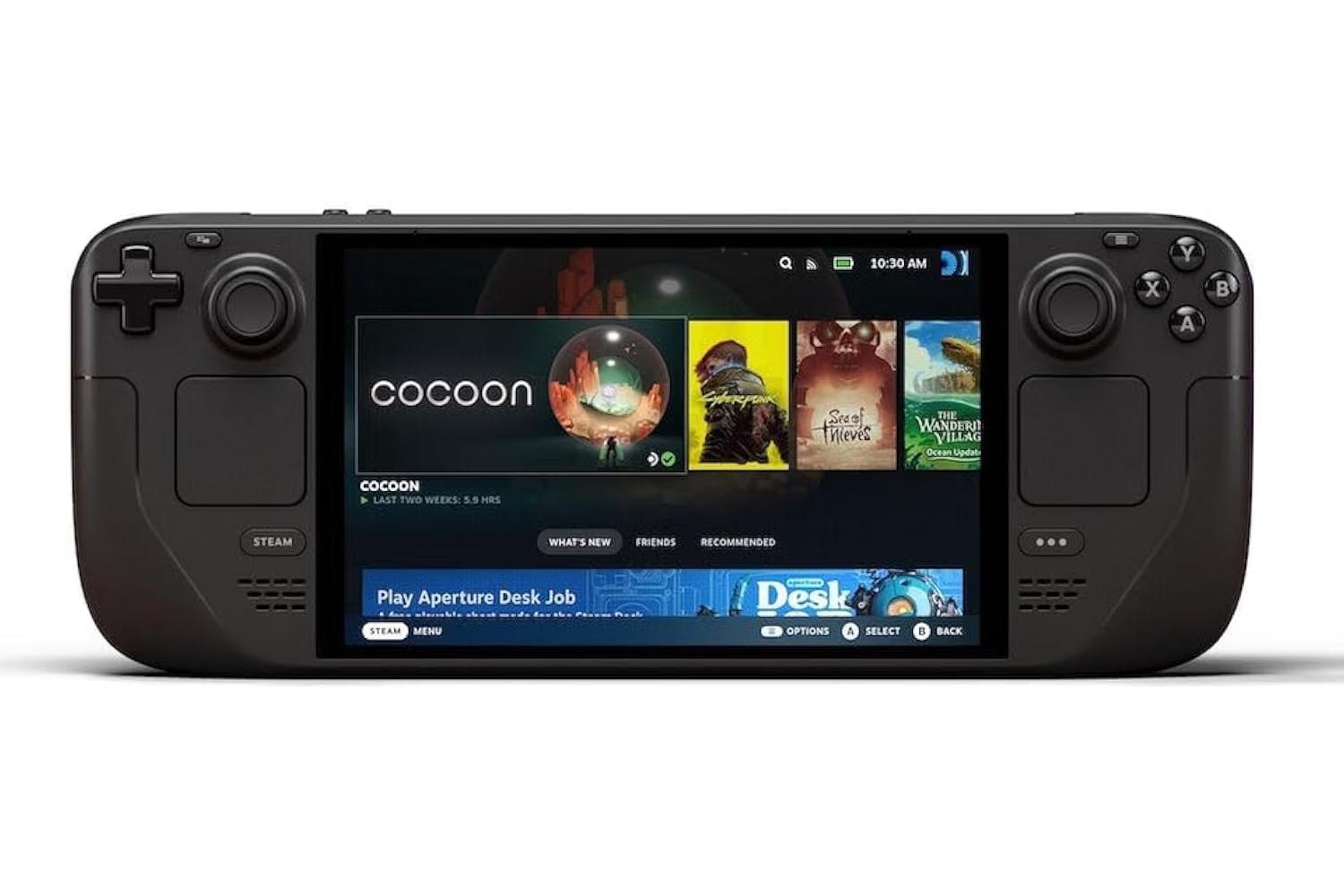
Nintendo Switch 2 and Steam Deck OLED represent two very different visions of portable gaming.
Nintendo offers a traditional hybrid console built around exclusive games, removable controllers and seamless TV play.
Valve's Steam Deck OLED is effectively a portable gaming PC built around the enormous Steam library, an OLED display and a much more open software environment.
But which is the better purchase in 2026?
The answer has changed considerably following the latest Steam Deck price increase.
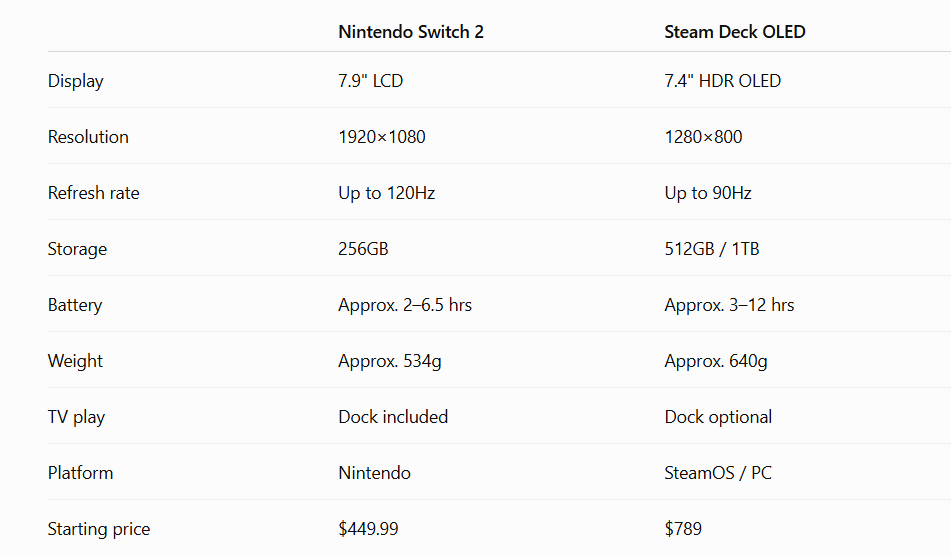
Nintendo offers the sharper display and lighter hardware, while Valve delivers OLED image quality, larger internal storage and longer official battery estimates.
Display: OLED or higher resolution?
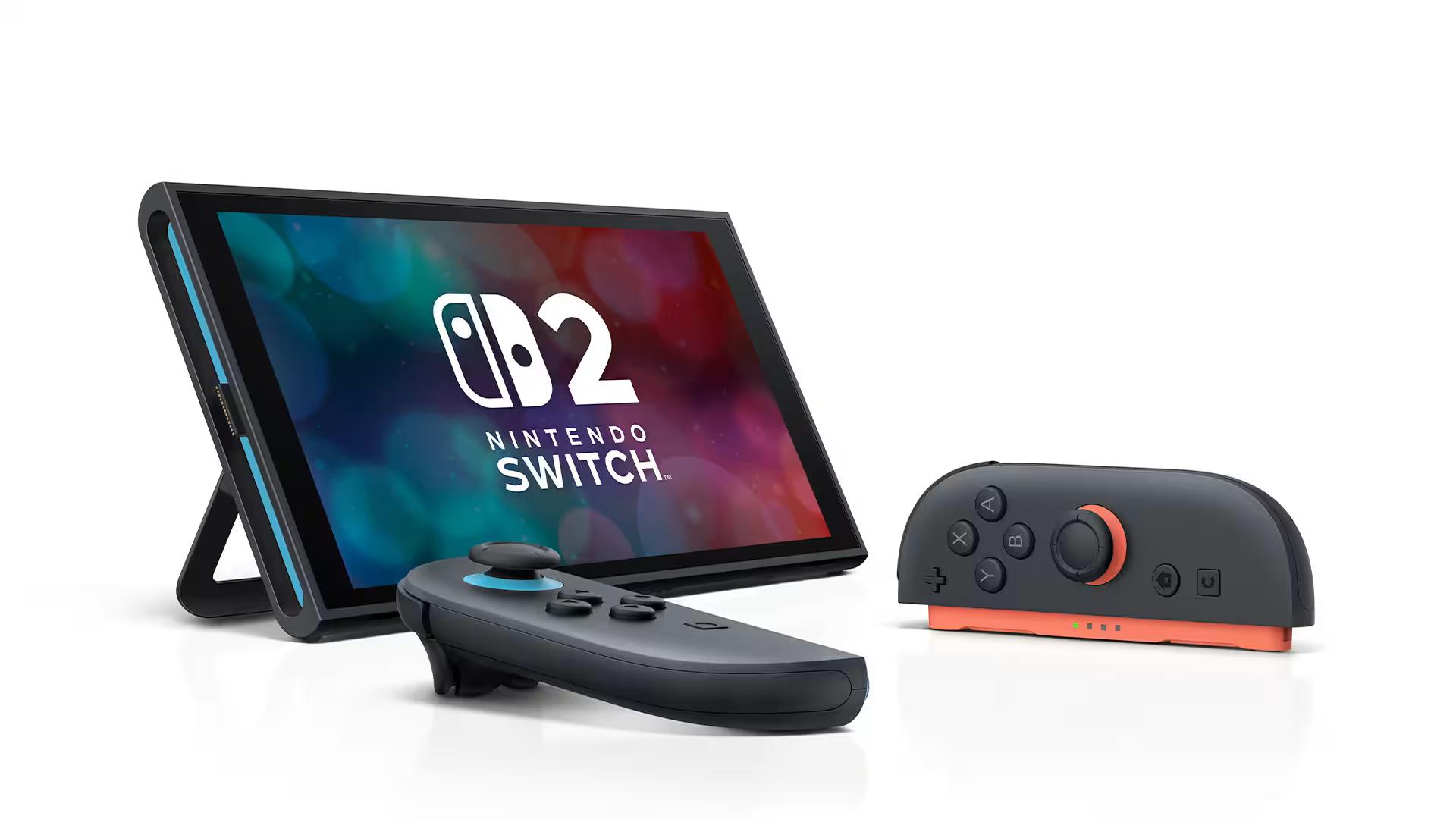
Nintendo Switch 2 uses a 7.9-inch 1920×1080 LCD featuring HDR10, VRR and refresh rates up to 120Hz.
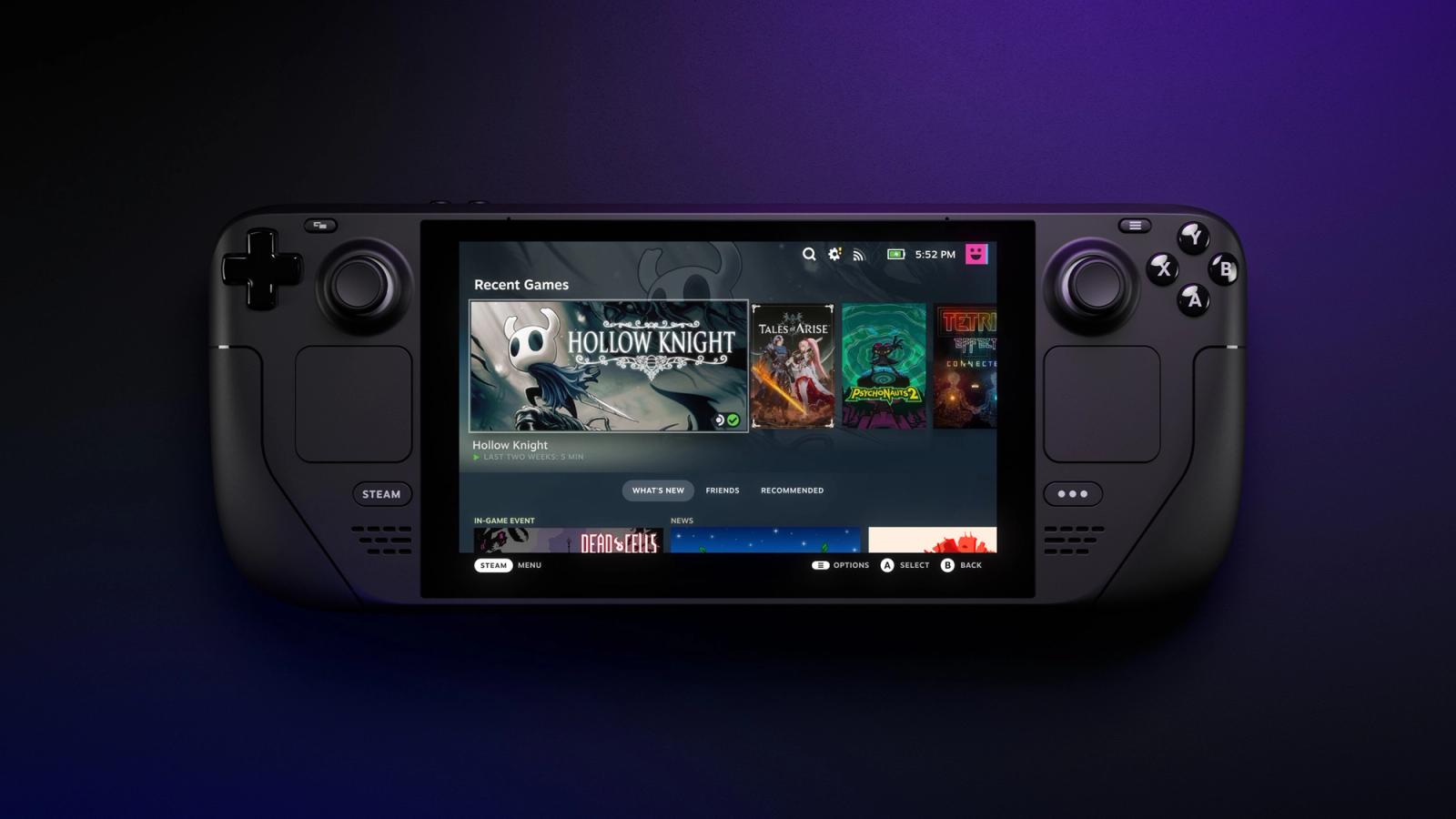
Steam Deck OLED features a 7.4-inch 1280×800 HDR OLED panel running at up to 90Hz, with 1,000 nits peak HDR brightness.
Switch 2 wins on resolution and maximum refresh rate.
Steam Deck wins on OLED contrast and black levels.Nintendo offers the sharper display and lighter hardware, while Valve delivers OLED image quality, larger internal storage and longer official battery estimates.
Display: OLED or higher resolution?
Nintendo Switch 2 uses a 7.9-inch 1920×1080 LCD featuring HDR10, VRR and refresh rates up to 120Hz.
Steam Deck OLED features a 7.4-inch 1280×800 HDR OLED panel running at up to 90Hz, with 1,000 nits peak HDR brightness.
Switch 2 wins on resolution and maximum refresh rate.
Steam Deck wins on OLED contrast and black levels.
Steam Deck OLED lives up to its name
The Steam Deck OLED panel remains one of its biggest strengths.
Its OLED technology delivers deep blacks and exceptional contrast, while Valve increased the display size from 7 to 7.4 inches compared with the original Deck.
Performance isn't an easy comparison
Steam Deck OLED uses a 6nm AMD APU featuring a four-core, eight-thread Zen 2 CPU and eight RDNA 2 Compute Units.
Nintendo describes Switch 2 as using a custom NVIDIA processor but does not publish directly comparable GPU specifications on its official technical page.
That means declaring one system universally more powerful based purely on official specifications would be misleading.
Switch 2 benefits from fixed-hardware optimization, while Steam Deck offers the flexibility of PC graphics settings.
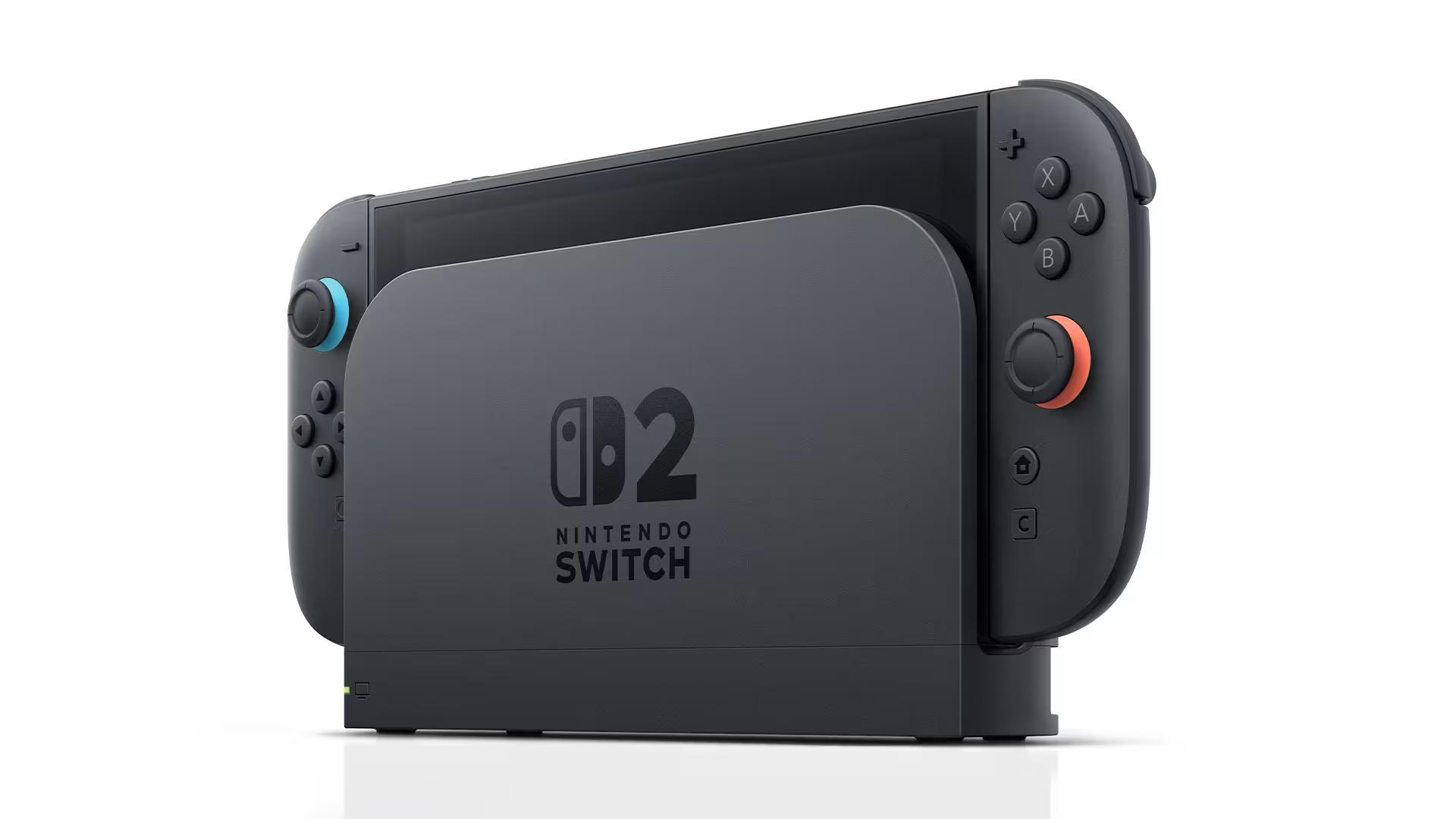
Switch 2 is built for TV play
The included Nintendo Switch 2 dock supports output of up to 4K at 60Hz in compatible games and displays.
The Steam Deck can also connect to external displays through USB-C and DisplayPort, but a dock is not included with the standard device.
Games: Nintendo exclusives or Steam?
Switch 2 provides Nintendo exclusives and franchises including Mario, Zelda, Pokémon, Metroid and more, while maintaining compatibility with many original Switch games.
Steam Deck opens the door to the enormous PC catalog available through Steam.
Not every PC game is perfectly compatible with the Deck, however, which is why Valve maintains its Deck Verified system.
For exclusives, Nintendo wins.
For overall library size and PC game sales, Steam Deck has the advantage.
Steam Deck is also a PC
Steam Deck runs SteamOS 3, based on Arch Linux, and includes a full KDE Plasma desktop environment.
Users can connect keyboards, mice, monitors and other peripherals and use the Deck much more like a conventional computer.
Switch 2 instead prioritizes a controlled, console-like experience.
Controls
Joy-Con 2 controllers attach magnetically and can even function like a mouse in supported titles.
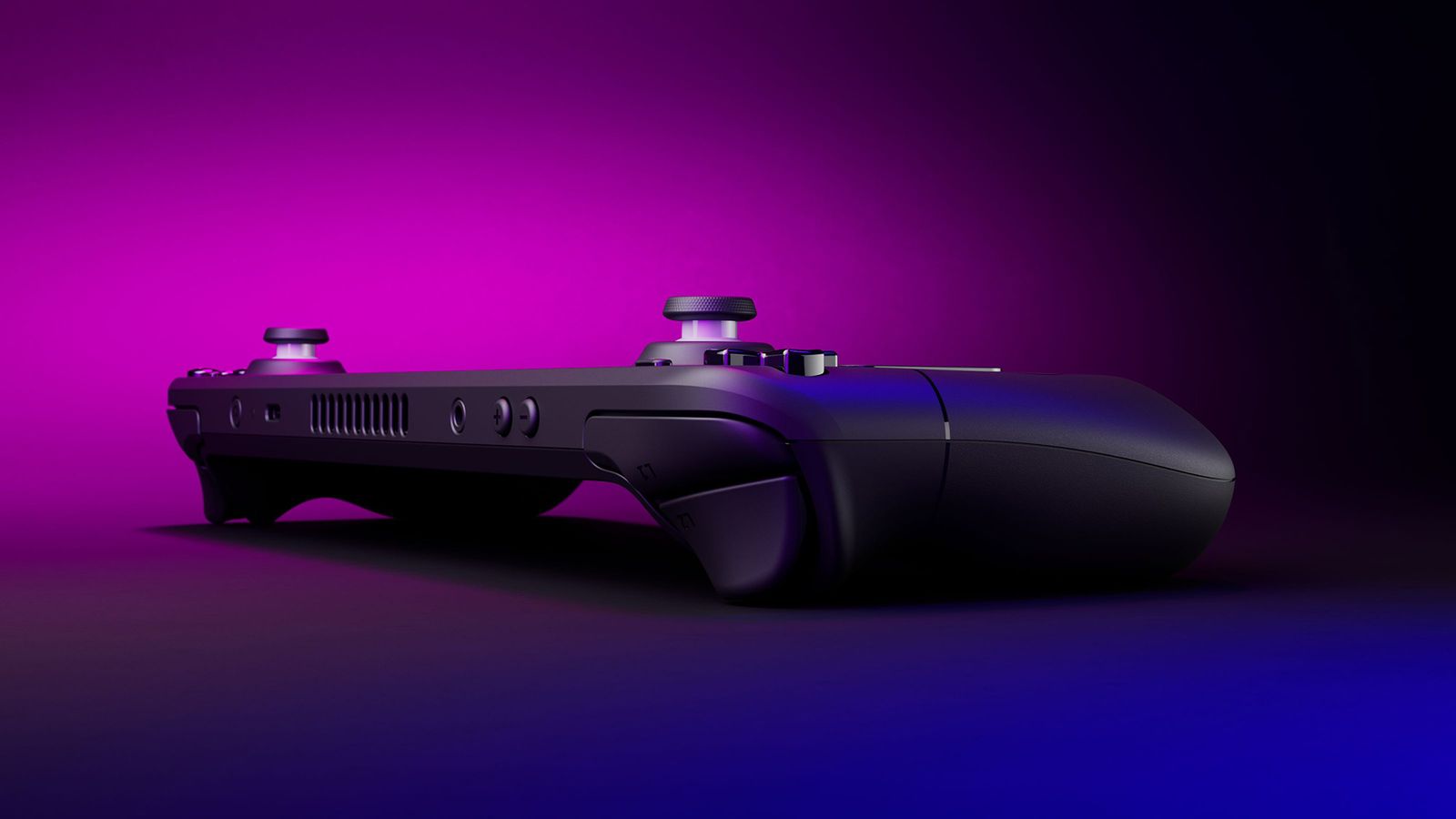
Steam Deck includes dual trackpads, four assignable rear buttons, analog sticks, gyro and conventional gamepad controls.
Battery life
Nintendo estimates Switch 2 battery life at approximately 2 to 6.5 hours, depending on the software being played.
Valve estimates 3 to 12 hours for Steam Deck OLED.
Winner: Steam Deck OLED.
Portability
Switch 2 weighs approximately 534 grams with the Joy-Con 2 attached.
Steam Deck OLED weighs approximately 640 grams.
Winner: Nintendo Switch 2.
Storage
Switch 2 includes 256GB of internal storage and supports microSD Express expansion.
Steam Deck OLED starts with a 512GB NVMe SSD, with a 1TB version also available, and supports conventional microSD expansion.
Winner: Steam Deck OLED.
Price changes the entire comparison in 2026
Switch 2 has a suggested US retail price of $449.99.
In May 2026, Valve increased Steam Deck OLED pricing due to rising memory, storage and logistics costs:
512GB OLED — $789
1TB OLED — $949.
That gives Nintendo a massive advantage in initial purchase price.
Which one should you buy?
Choose Nintendo Switch 2 if you prioritize Nintendo exclusives, simple console gaming, TV play, local multiplayer, portability or value.
Choose Steam Deck OLED if you already own a large Steam library, want OLED image quality, longer battery life, more storage and much greater software freedom.
Our verdict
At their current 2026 prices, Nintendo Switch 2 is the better choice for most buyers.
Steam Deck OLED remains a fantastic device for dedicated PC gamers, but its new $789 starting price puts it in an entirely different category.
Players Realm verdict
Best overall value: Nintendo Switch 2 Best display: Steam Deck OLED Best battery: Steam Deck OLED Best PC library: Steam Deck OLED Best exclusives: Nintendo Switch 2 Best TV experience: Nintendo Switch 2 Best software freedom: Steam Deck OLED Best portability: Nintendo Switch 2 Best buy for most people in 2026: Nintendo Switch 2