

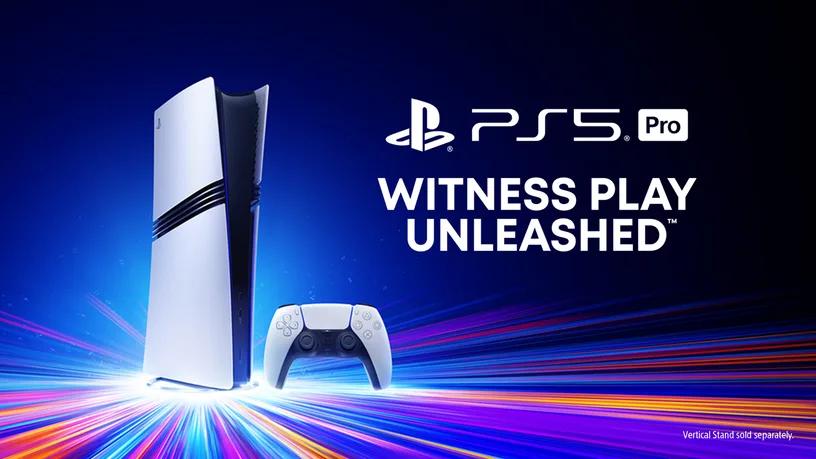
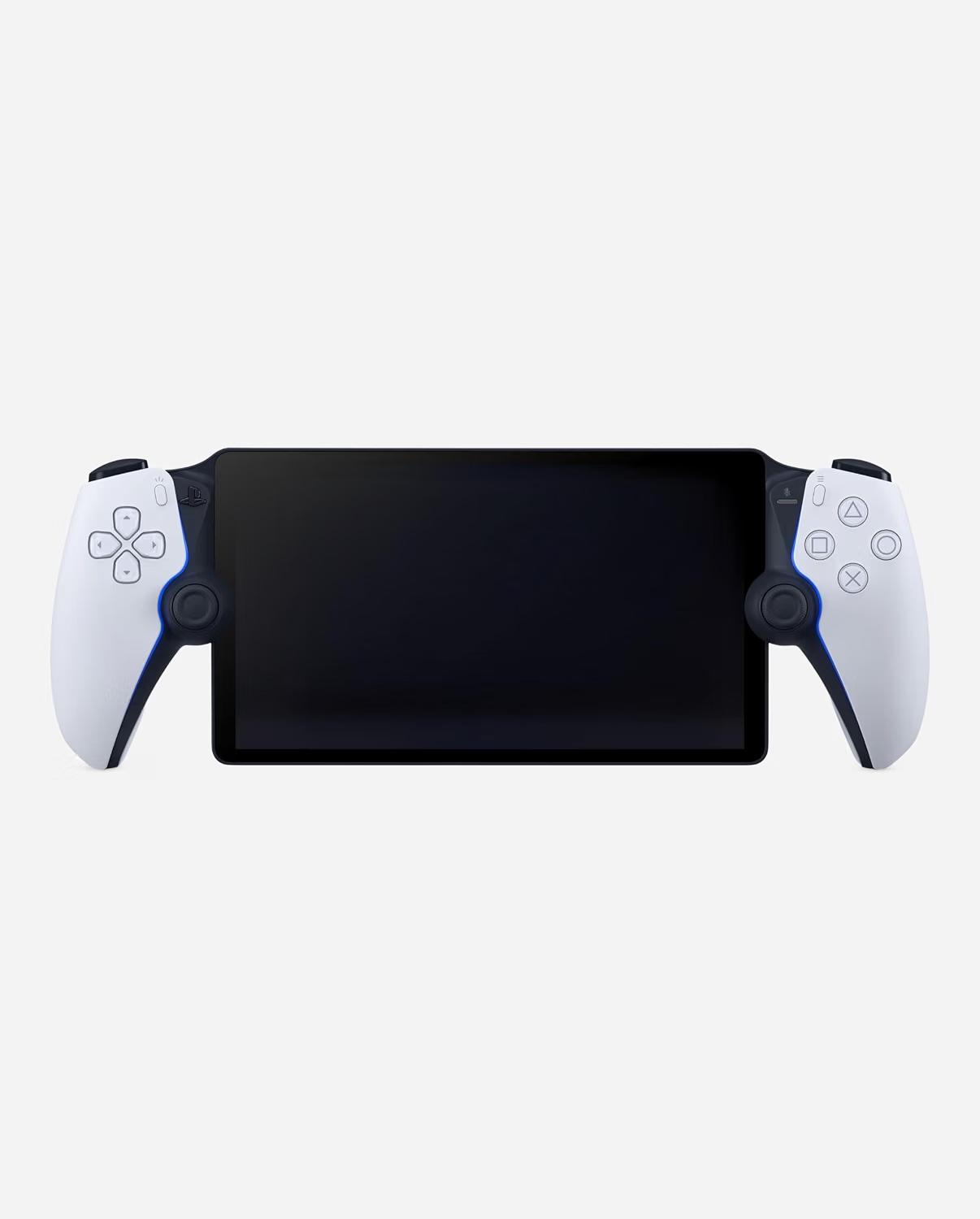
A rumored PlayStation handheld associated with the PS6 generation is back in the spotlight after a new leak revealed ambitious specifications for the device commonly referred to as Project Canis.
The latest information, attributed to PC hardware outlet GameGPU, claims the handheld could feature next-generation AMD hardware, 24GB of LPDDR5X memory, RDNA 5 graphics and a future version of Sony's image reconstruction technology referred to in the leak as PSSR 3.0.
The most interesting claim, however, isn't simply another specification.
According to the leak, demanding games could render internally at just 540p in handheld mode before being reconstructed to 1080p through machine learning — potentially allowing Sony to dramatically reduce power consumption while still delivering much sharper output on the device's display.
There's an important distinction before going any further: Sony has not announced a PS6 handheld or confirmed Project Canis, these specifications, or a technology officially called PSSR 3.0.
Everything below regarding the hardware itself should therefore be treated as rumor rather than final PlayStation specifications.
What the new PS6 handheld leak claims
The latest information says Project Canis could use a custom 3nm AMD processor.
The reported configuration combines six Zen 6 CPU cores with 16 RDNA 5 Compute Units and 24GB of shared LPDDR5X memory over a 192-bit interface. Its power envelope is reportedly around 15W to 25W.
The leak also describes separate performance profiles.
In handheld mode, the GPU is reportedly clocked around 1.2GHz. When docked, that could rise to approximately 1.65GHz.
If accurate, those numbers illustrate something important.
Sony wouldn't necessarily be trying to squeeze desktop-console levels of raw processing power into a battery-powered machine.
Instead, machine-learning image reconstruction could do much of the heavy lifting.
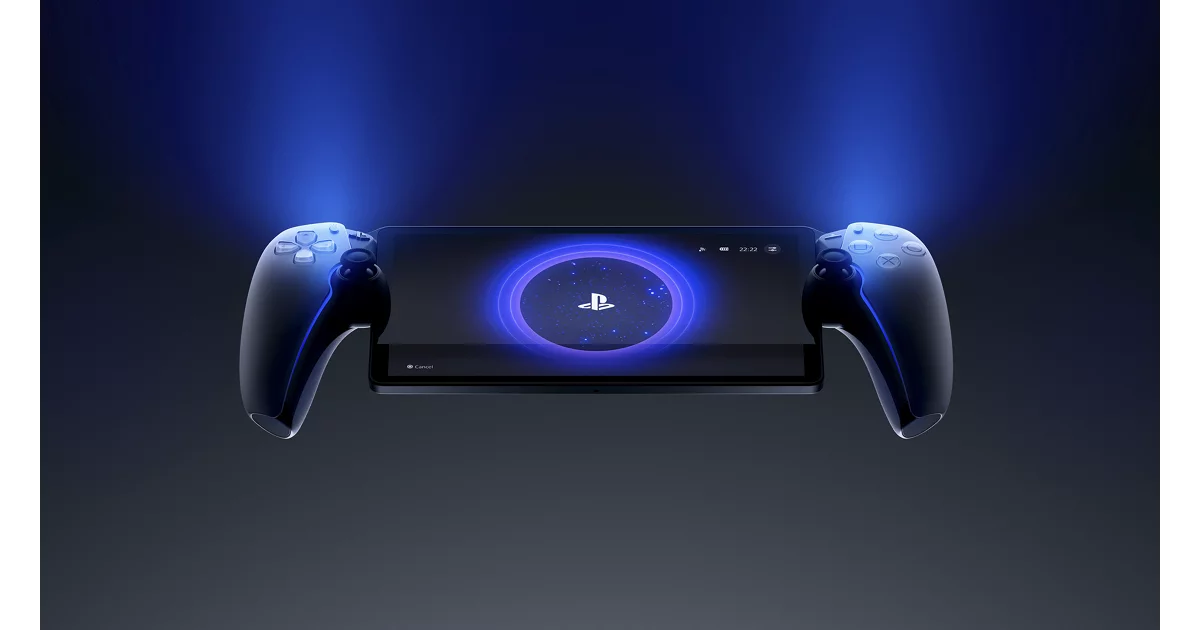
Why everyone is talking about 540p
This is where the leak becomes technically much more interesting.
According to the report, demanding games could be rendered internally at 540p to fit within the handheld's restricted power budget.
That doesn't necessarily mean players would see a 540p image.
The reported strategy would use a future evolution of PlayStation Spectral Super Resolution — referred to by the leak as PSSR 3.0 — to reconstruct that image for a 1080p display.
While the specific Project Canis claim remains unconfirmed, the underlying technology is real.
Sony already uses PSSR on PS5 Pro. It's a machine-learning-based library that analyzes game images during upscaling, allowing developers to target higher effective resolutions without relying entirely on native rendering.
The technology also took a major step forward in 2026.
Mark Cerny officially introduced an upgraded version of PSSR derived from Sony and AMD's Project Amethyst collaboration. Sony says the implementation uses a different neural network and algorithm from the original PSSR.
That part is confirmed.
PSSR 3.0 with frame generation on Project Canis is not.
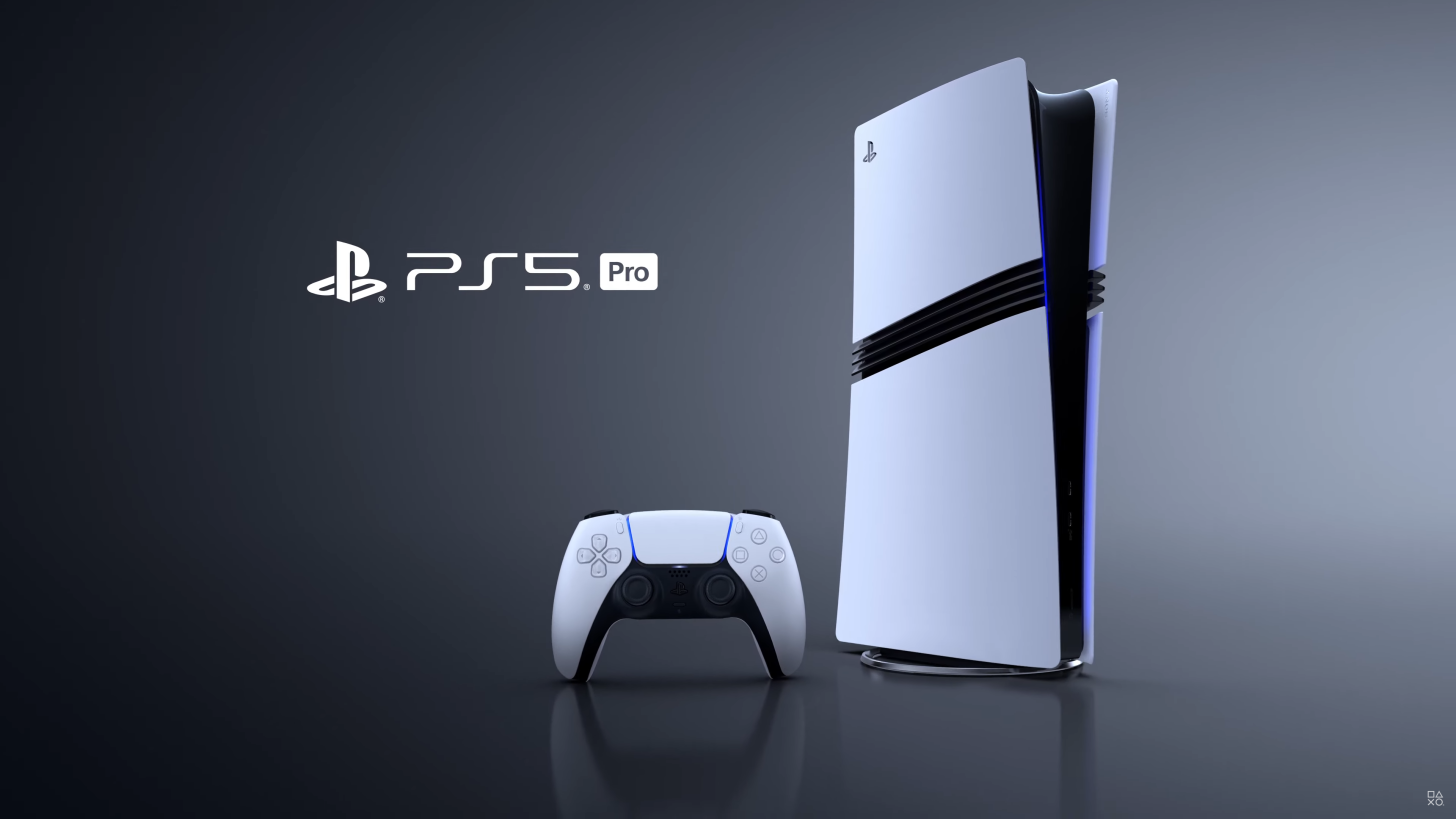
PSSR could matter more than a huge GPU
There's a reason this approach makes sense for portable hardware.
Rendering more pixels requires additional GPU work. A living-room console can compensate with a much larger power budget and cooling system.
A handheld has to balance performance against battery life, heat, physical size and weight.
Reconstructing a lower-resolution image to 1080p could allow a smaller GPU to spend more resources on visual effects, lighting, ray tracing and frame rate rather than brute-forcing millions of additional pixels.
That's why technologies such as PSSR, FSR and DLSS have become increasingly important to modern gaming hardware.
Sony describes its current PSSR implementation as an AI library that analyzes images pixel by pixel while upscaling them. The enhanced 2026 version improved fine-detail clarity and image stability in motion.
Could it really get close to PS5 Pro?
This part requires extra caution.
The leak assigns Project Canis approximately 4.91 TFLOPS in handheld mode and 6.75 TFLOPS while docked, while also attempting to express the benefits of reconstruction and frame generation as much higher “effective” performance figures.
Those numbers should not be interpreted as PSSR magically turning a 6.75-TFLOPS GPU into a physically equivalent 14-TFLOPS GPU.
Different GPU architectures also make direct TFLOPS comparisons inherently limited.
The more interesting possibility isn't that a handheld could literally “become a PS5 Pro.”
It's that low-power hardware could potentially produce an image and frame rate that look much closer to a living-room console than its raw processing figures suggest.

Project Amethyst is the part Sony has actually confirmed
Project Canis may remain firmly in leak territory, but one official project provides a glimpse into PlayStation's technological direction.
Sony and AMD announced Project Amethyst as a deeper collaboration focused on machine-learning technologies for graphics and gameplay.
We're already seeing the results.
Sony confirmed that the upgraded PSSR introduced on PS5 Pro in 2026 uses algorithms and a neural network derived from work carried out through Project Amethyst.
Sony's 2026 corporate strategy presentation also explicitly highlighted machine learning and PSSR as technologies it intends to use to continue pushing visual fidelity forward.
None of that confirms a handheld.
But it does make one part of the rumors increasingly believable: machine learning is likely to play a major role in the future of PlayStation graphics.
When could the PS6 handheld launch?
The latest rumor points to late 2027, but there is currently no official release date.
Sony hasn't formally announced a console called PlayStation 6 or a next-generation standalone handheld.
For now, Project Canis remains unannounced hardware.
What's becoming more interesting is the consistent technological direction described by the reports: efficient AMD hardware, heavy reliance on machine learning, aggressive image reconstruction and a PlayStation experience designed to work away from the television.
If such a product eventually reaches the market, the next handheld war may not simply be about which company can build the biggest GPU.
It could be about who can reconstruct the best image with the least power.