



Getting paid to play video games sounds like a dream job. In 2026, there are legitimate ways to turn gaming into income, but the reality looks very different from advertisements promising hundreds of dollars a day simply for installing a game.
Today's gaming economy creates opportunities for creators, developers, competitive players, content producers and people who test games. Some options may provide occasional extra income, while others can develop into businesses or careers. In most cases, however, the money comes from a skill, audience, creation or service connected to gaming rather than simply from the hours spent playing.
In this guide, Players Realm breaks down eight legitimate paths for making money in the gaming ecosystem and what you should understand before getting started.
1. Build Fortnite experiences with UEFN
Fortnite is no longer only a Battle Royale. Fortnite Creative and Unreal Editor for Fortnite, better known as UEFN, allow creators to develop and publish their own islands and experiences inside the Fortnite ecosystem.
Epic Games operates a system called Engagement Payouts. According to its official documentation, 40% of Fortnite's eligible net revenue is placed into an engagement pool used to pay eligible island publishers. Distribution is based on metrics related to how players engage with experiences.
That means creators are not simply paid a fixed amount for every player. Building an experience capable of attracting and retaining an audience is a central part of the opportunity.
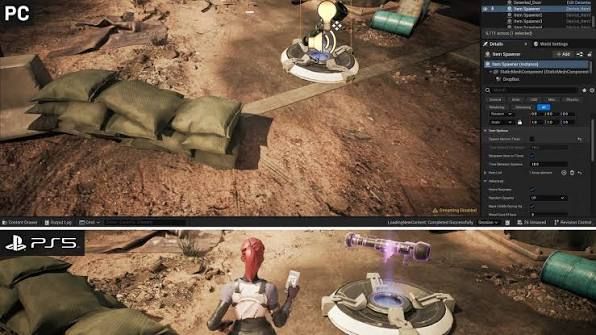
UEFN also sits at the intersection of game development and content creation. Skills involving level design, Verse, Unreal Engine, 3D creation, community building and promotion can increase the potential of a project. For players interested in turning gaming into a professional skill set, it is one of the most compelling options on this list.
2. Build games and experiences on Roblox
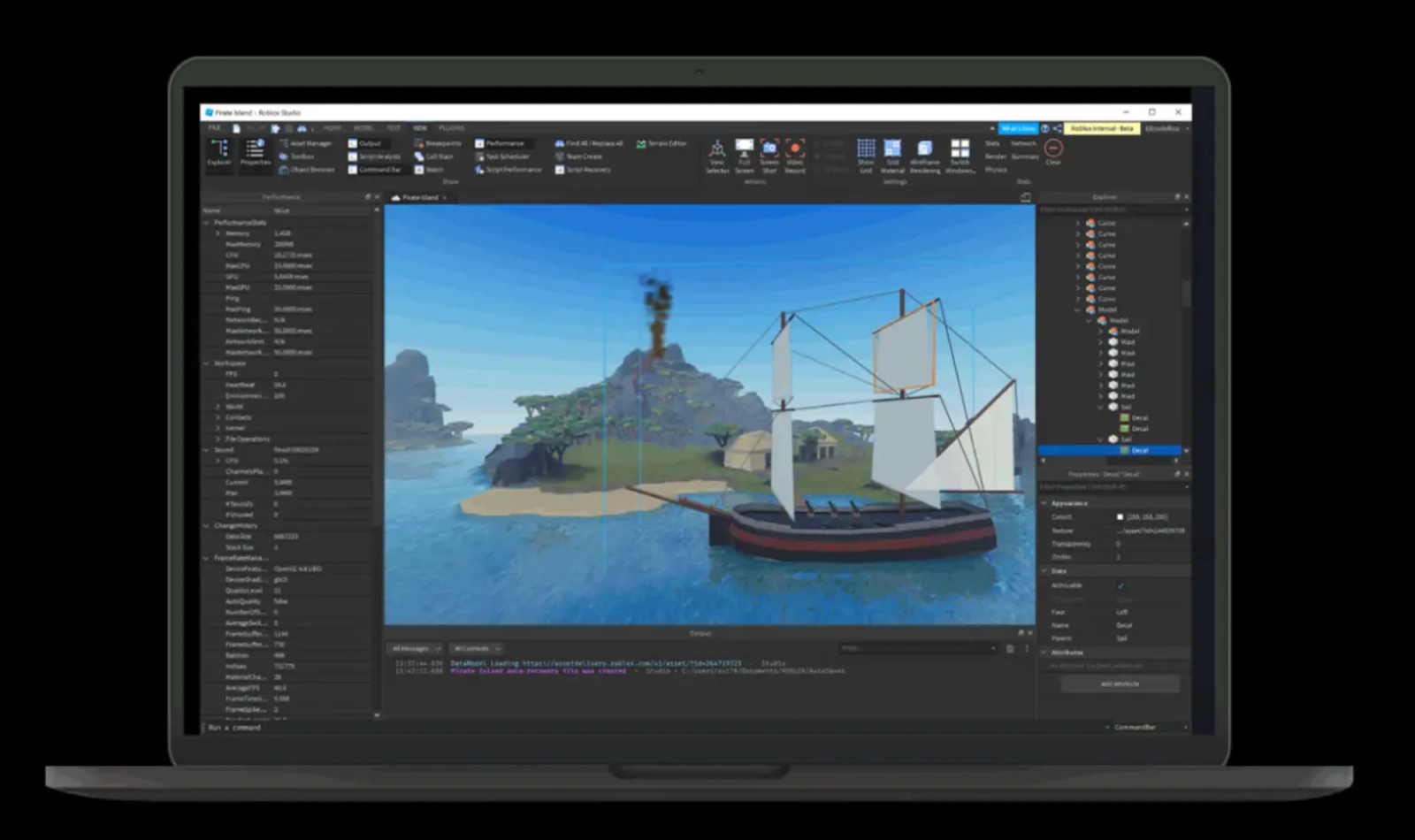
Roblox has built a massive creator economy. Instead of only playing experiences made by other people, users can learn Roblox Studio and develop their own games, systems and items within the platform's rules.
Qualified creators can use the Developer Exchange, or DevEx, to exchange Earned Robux for real-world currency. Under Roblox's current official requirements, creators need at least 30,000 Earned Robux, must be 13 or older, have a verified email address, maintain a valid DevEx account and satisfy applicable tax and platform requirements.
The word 'Earned' matters. Buying Robux and attempting to cash them back out is not the purpose of DevEx. The program applies to Robux obtained through activities Roblox defines as eligible.
As with Fortnite, the opportunity becomes much more meaningful when you begin thinking like a creator rather than only a player. Programming, design, art, monetization and an understanding of the community can all become valuable skills.
3. Become a game tester or join paid playtests
Not every path requires building a game. Companies also need to observe players interacting with products in development and collect feedback about their experiences.
Playtesting services connect players with specific research sessions. PlaytestCloud, for example, says a typical roughly 15-minute playtest plus survey generally rewards between $5 and $9. The company also makes clear that rewards can vary and joining its player panel does not guarantee a continuous supply of tests.
That distinction matters. Playtesting can provide occasional side income, but it should not be treated as a guaranteed salary. Invitations depend on the player profile needed for a particular study or game.
There is also a difference between participating in occasional paid studies and working professionally in Quality Assurance. QA jobs may involve structured testing procedures, reproducing bugs, documentation and communication with development teams.
4. Create gaming content on YouTube
You do not need to be a professional player to build an audience. Guides, news, analysis, challenges, tutorials, comparisons, builds and entertainment videos form a huge ecosystem around games.
Channels accepted into the YouTube Partner Program can access different monetization features depending on eligibility. YouTube itself notes that there are no guarantees about how much a creator will be paid, or whether they will be paid, and creators must comply with monetization and content policies.
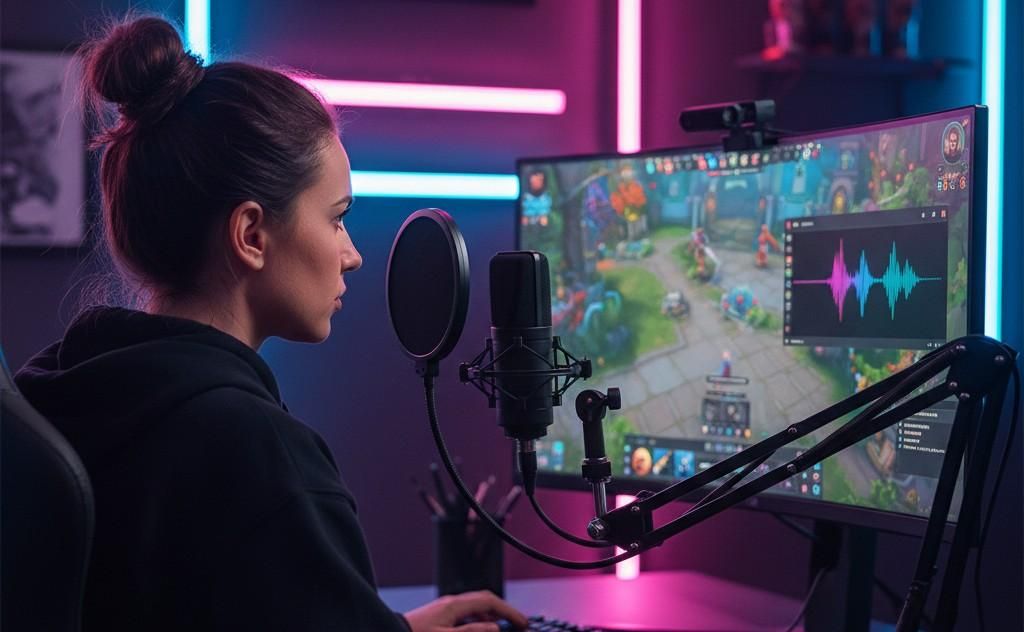
The key is turning gameplay into something valuable to another person. A video that answers a question, teaches a strategy or entertains viewers has a clearer value proposition than simply uploading hours of unedited gameplay without context.
Revenue does not have to end with advertising. As an audience grows, creators can potentially add other permitted revenue streams such as sponsorships, affiliate programs and their own products.
5. Stream games
Streaming is probably one of the first things people imagine when they think about making money while gaming. Livestreaming platforms allow creators to build communities around gameplay broadcasts and related formats.
The challenge is that streaming depends heavily on audience and consistency. Playing at a high level can help, but entertainment, communication, niche positioning and community-building skills are often just as important.
Starting a stream with the expectation of immediate income is therefore unrealistic. A stronger strategy is to treat every livestream as part of a larger content ecosystem and repurpose good moments into short videos, guides and other content.
6. Compete in tournaments and esports
Tournaments offer one of the most literal ways to make money playing games: competing for prize money. Many games have official competitive circuits or tournaments organized by third parties.
It is also one of the hardest paths to turn into consistent income. Prize pools depend on the game, event and player or team performance, and reaching a competitive level can require thousands of hours of structured practice.
For most people, competition should begin as a skill-based pursuit rather than a guaranteed income source. Financial rewards are a potential result of performance, not a predictable paycheck.
7. Create and sell your own game or digital content
Another option is to use your interest in games as motivation to learn development and release a product of your own. Modern tools have lowered some barriers for small developers, although creating something people are willing to buy still requires substantial work.
Independent platforms such as itch.io allow developers to distribute projects and set prices. itch.io's Open Revenue Sharing model also lets sellers choose the percentage of sales revenue that goes to the platform, subject to its payment system and terms.
The product can be a complete game, but the broader opportunity is developing transferable skills. Programming, art, audio, writing, level design and production can later be applied to personal projects or work for other teams.
8. Join official creator and affiliate programs
Some gaming companies operate programs that reward creators for helping generate sales or engagement. Epic Games, for example, operates Support-A-Creator, officially described as an affiliate marketing program for eligible creators.
This model works particularly well alongside YouTube, streaming, websites, communities and social media. Instead of relying exclusively on a video platform for revenue, creators can diversify their monetization when the terms of individual programs allow it.
Never confuse official programs with offers sent through private messages asking for upfront payments, passwords or item transfers.
How much money can you actually make?
There is no single number. Someone completing an occasional playtest is in a completely different position from a developer operating a popular Fortnite or Roblox experience, and both are different from a creator with a large audience.
A more useful question than simply asking how much a method pays is asking what asset you are building. An audience, a game, a community, programming skills or a portfolio can continue creating opportunities after the first attempt.
Taxes, local regulations and platform rules also matter. Earning money online does not eliminate tax obligations, and requirements can vary by country, age and payment method.
Watch out for easy-money promises
The popularity of making money through games also attracts scams and questionable business models. Be cautious with services promising guaranteed income, requiring deposits to unlock earnings, requesting account credentials or depending on account and item sales that violate a game's terms.
Likewise, do not assume that every game featuring tokens, tradable items or an internal economy represents a reliable income opportunity. Asset values can change, and game rules can change as well.
Before investing money or substantial time into any opportunity, check the platform's official rules and understand exactly where the revenue comes from.
What is the best way to get started?
For someone starting from zero, the right path depends more on the skills you want to develop than on whichever game happens to be trending.
If you enjoy building worlds and systems, Fortnite/UEFN and Roblox provide structured creator ecosystems. If you prefer talking about games, producing guides or entertaining people, content creation and streaming may be a better fit. If you simply want to try an initial paid opportunity without first building an audience, playtesting has a lower barrier to entry, although invitations are not guaranteed.
The common thread across the more sustainable paths is straightforward: the video game provides the platform, but the economic value usually comes from what you create around it.
Making money with games is possible in 2026. A more realistic goal than searching for a magical game that pays for every hour played is to turn knowledge, creativity, skill or audience into something other people or companies value.