


IN THIS STORY
Where did the RTX 60 2028 rumor come from?Why would 2028 matter?Rubin is real, but that does not confirm RTX 60What about RTX 50 Super?Could AI and memory demand affect gaming GPUs?Should PC gamers wait for RTX 60?What happens next?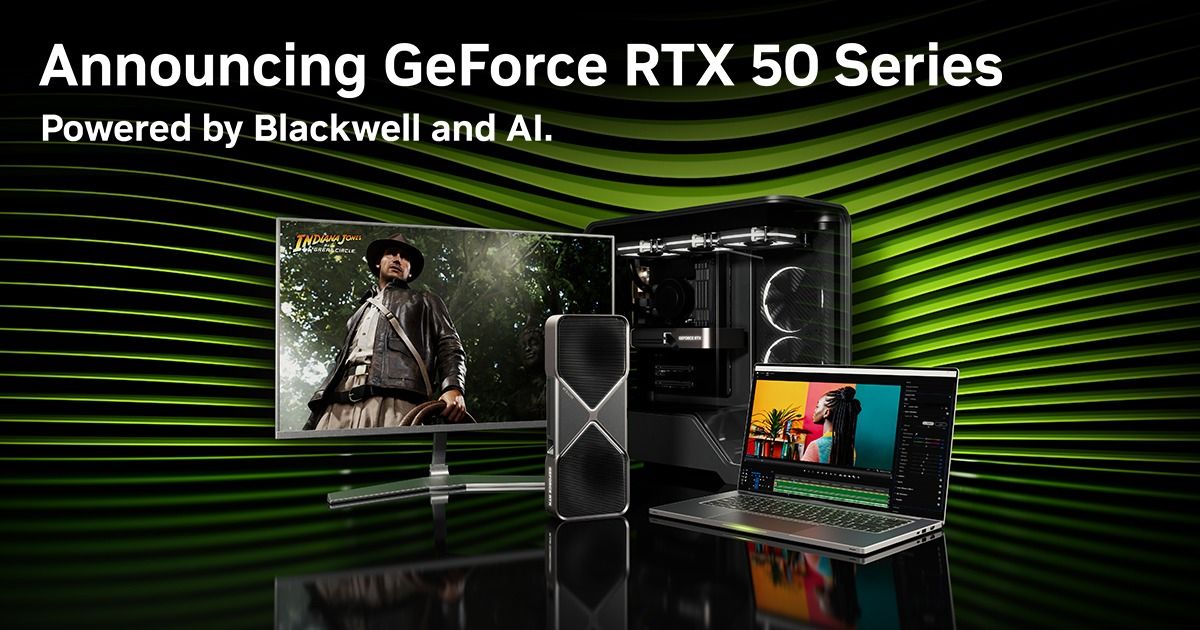
NVIDIA's next major GeForce generation could be further away than many PC gamers expected.
A new rumor shared by prominent hardware leaker kopite7kimi suggests that graphics chips associated with NVIDIA's future gaming generation could be 2028 products. The claim began circulating across hardware publications and reignited speculation around when a potential GeForce RTX 60 family, including an eventual RTX 6090, could reach the market.
One distinction is essential: NVIDIA has not officially announced a GeForce RTX 6090, an RTX 60 series or a 2028 release date. Any specific timing for those products therefore remains a rumor.
Where did the RTX 60 2028 rumor come from?
The latest discussion began after kopite7kimi, a source known for previous NVIDIA GPU leaks, indicated that the GR20x chips would be 2028 products.
Hardware publications subsequently connected that chip family with NVIDIA's future gaming GPUs and therefore a potential successor to the current GeForce RTX 50 series.
That does not mean an RTX 6090 has officially been scheduled for 2028. The leak concerns the possible timing of the chips, while commercial product names, specifications, prices and release dates remain unconfirmed by NVIDIA.
Why would 2028 matter?
A 2028 launch would create a substantial gap between the current consumer Blackwell generation and its successor.
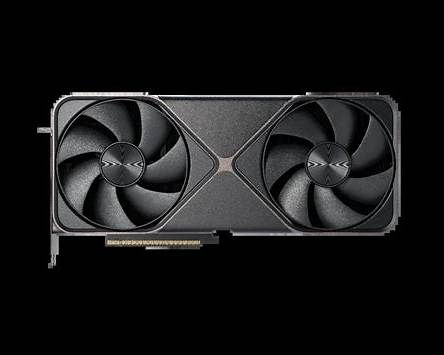
NVIDIA introduced the GeForce RTX 50 family in early 2025, led by the RTX 5090 alongside cards including the RTX 5080, RTX 5070 Ti and RTX 5070.
If the next major generation really does wait until 2028, RTX 50 could remain NVIDIA's primary GeForce platform for longer than many enthusiasts anticipated.
That would also change the upgrade conversation. PC gamers considering postponing a purchase because they expected a new generation relatively soon could face a significantly longer wait if the rumor proves accurate.
Rubin is real, but that does not confirm RTX 60
Some of the confusion comes from the fact that Rubin itself is real.
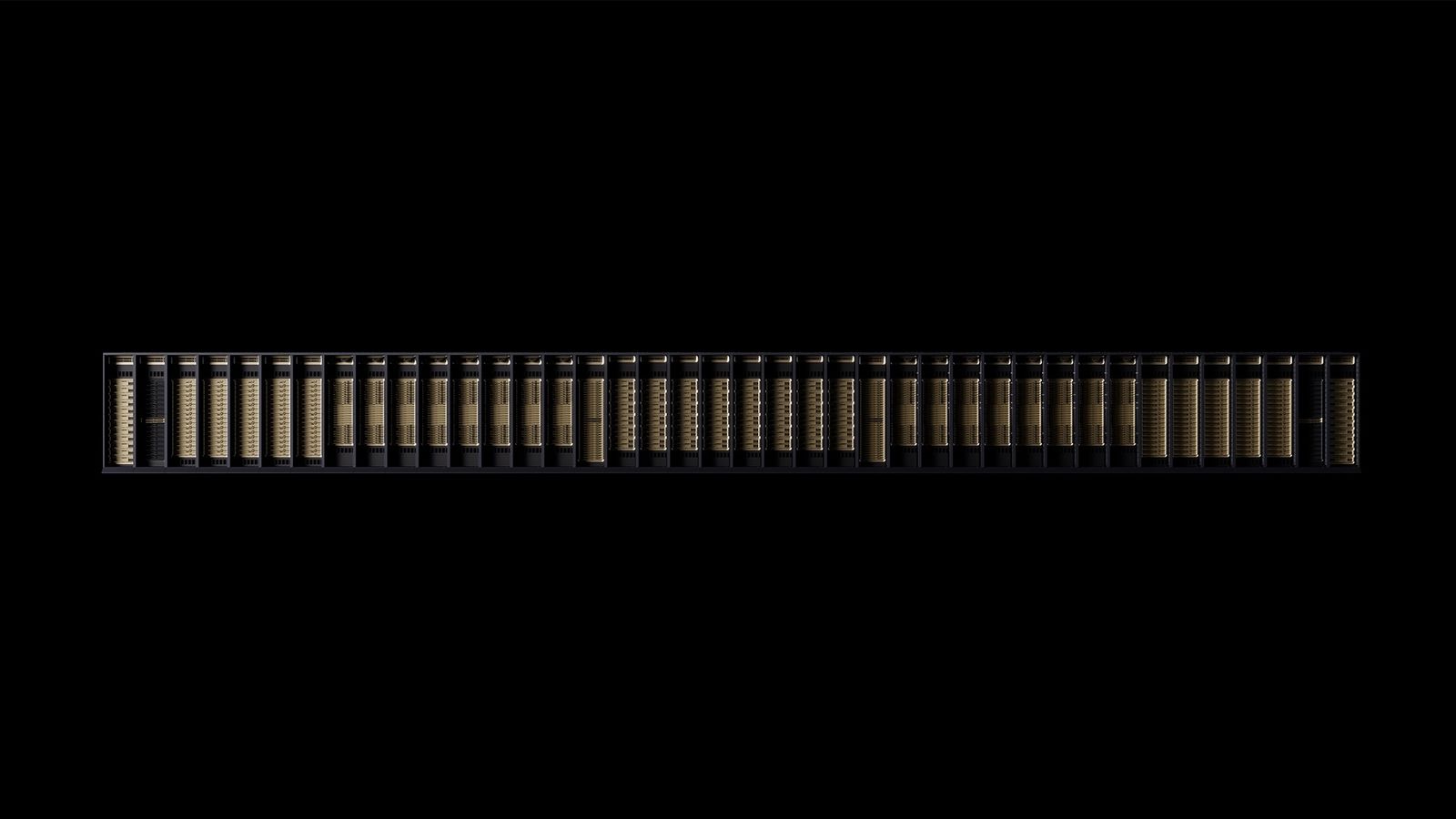
NVIDIA has officially introduced its Vera Rubin platform for AI and data-center computing as part of its accelerated computing roadmap beyond Blackwell.
However, a data-center roadmap should not automatically be treated as a GeForce release schedule.
NVIDIA can use related technologies across different markets, but AI accelerators, enterprise products and consumer GeForce graphics cards have different configurations, product cycles and commercial strategies.
Vera Rubin's existence therefore does not confirm an RTX 6090 or establish when such a graphics card would launch.
What about RTX 50 Super?
A potential refresh of the current generation is another important part of the discussion.
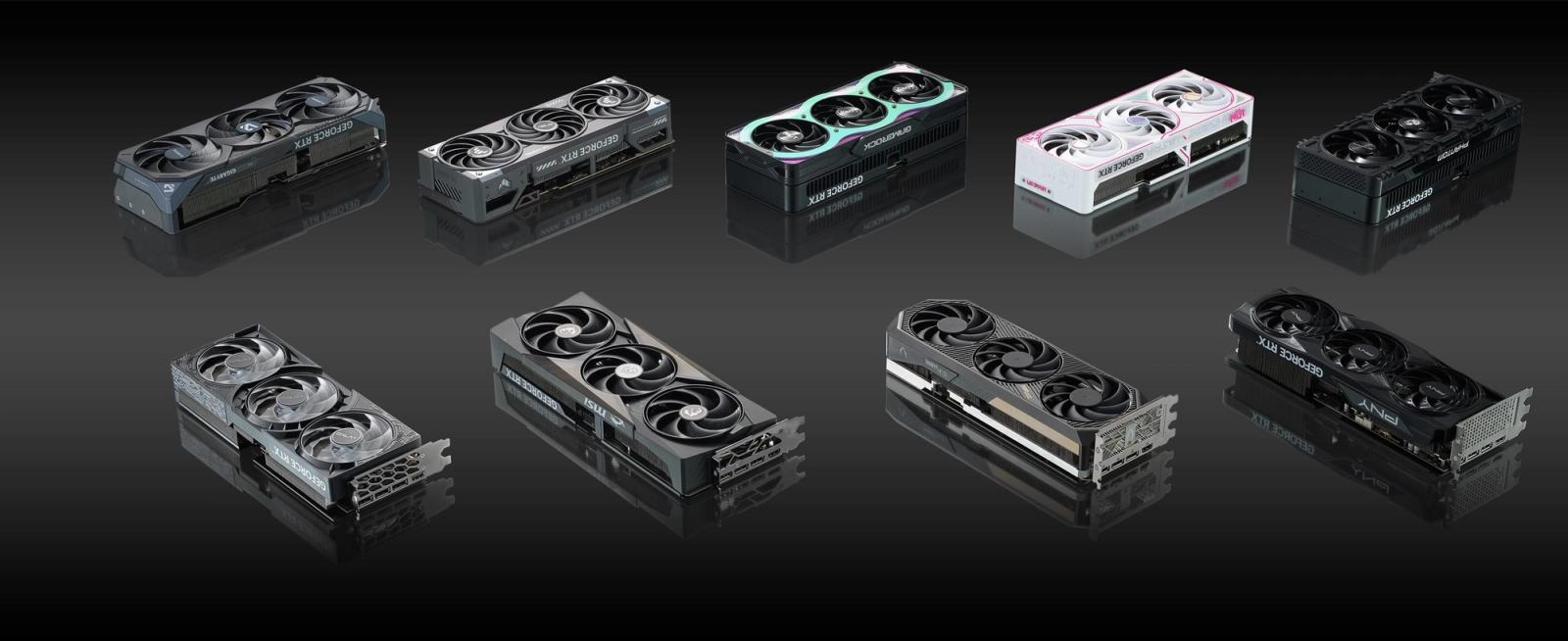
Rumors have circulated around possible GeForce RTX 50 Super models that could expand or refresh NVIDIA's existing lineup before an entirely new generation arrives.
Those products and their timing should also be treated cautiously until NVIDIA makes an official announcement.
If an intermediate refresh happens and the next major gaming architecture really does move into 2028, NVIDIA would have considerable room to extend the commercial life of the RTX 50 family.
Could AI and memory demand affect gaming GPUs?
NVIDIA operates in a very different environment than it did several GPU generations ago.
Demand for artificial intelligence accelerators has transformed the company's business, while advanced memory and manufacturing capacity remain strategically important resources for high-performance computing products.
None of that proves NVIDIA delayed a future GeForce generation because of AI. Without a statement from the company, assigning a specific reason to the rumored schedule would be speculation.
What can be said is that NVIDIA now manages a much broader product portfolio spanning data centers, artificial intelligence, professional computing and gaming.
Should PC gamers wait for RTX 60?
There is currently not enough official information to recommend that gamers base a purchase decision around a future RTX 60 series.
Its specifications, pricing, power requirements, performance and launch timing remain unknown.
Anyone who needs a PC upgrade today should evaluate available hardware based on current performance, pricing and requirements rather than an unannounced future product.
Players who already have a GPU delivering the performance they need can continue waiting. The difference is that this new rumor suggests the wait could be longer than previously expected.
What happens next?
The next step is to watch NVIDIA's official announcements and look for stronger evidence regarding its post-Blackwell gaming GPU strategy.
Until then, 2028 should be treated as a possibility raised by a leak rather than an official release window.
If that timeline eventually proves accurate, however, the implications for PC gaming would be significant: RTX 50 could enjoy an unusually long lifecycle, intermediate refreshes would become more important and gamers would have to reconsider when their next GPU upgrade makes sense.
For now, the safest conclusion is straightforward: NVIDIA has not announced its next GeForce generation, and the latest rumor suggests gamers may be waiting quite a while for it.