
IN THIS STORY
What is WARDOGS?You don't need kills to matterThe launch was so big that the servers struggled428,666 players at onceWARDOGS brings back something modern shooters left behindAnd this is still Early AccessIs WARDOGS coming to PS5 and Xbox?Is WARDOGS the next major FPS?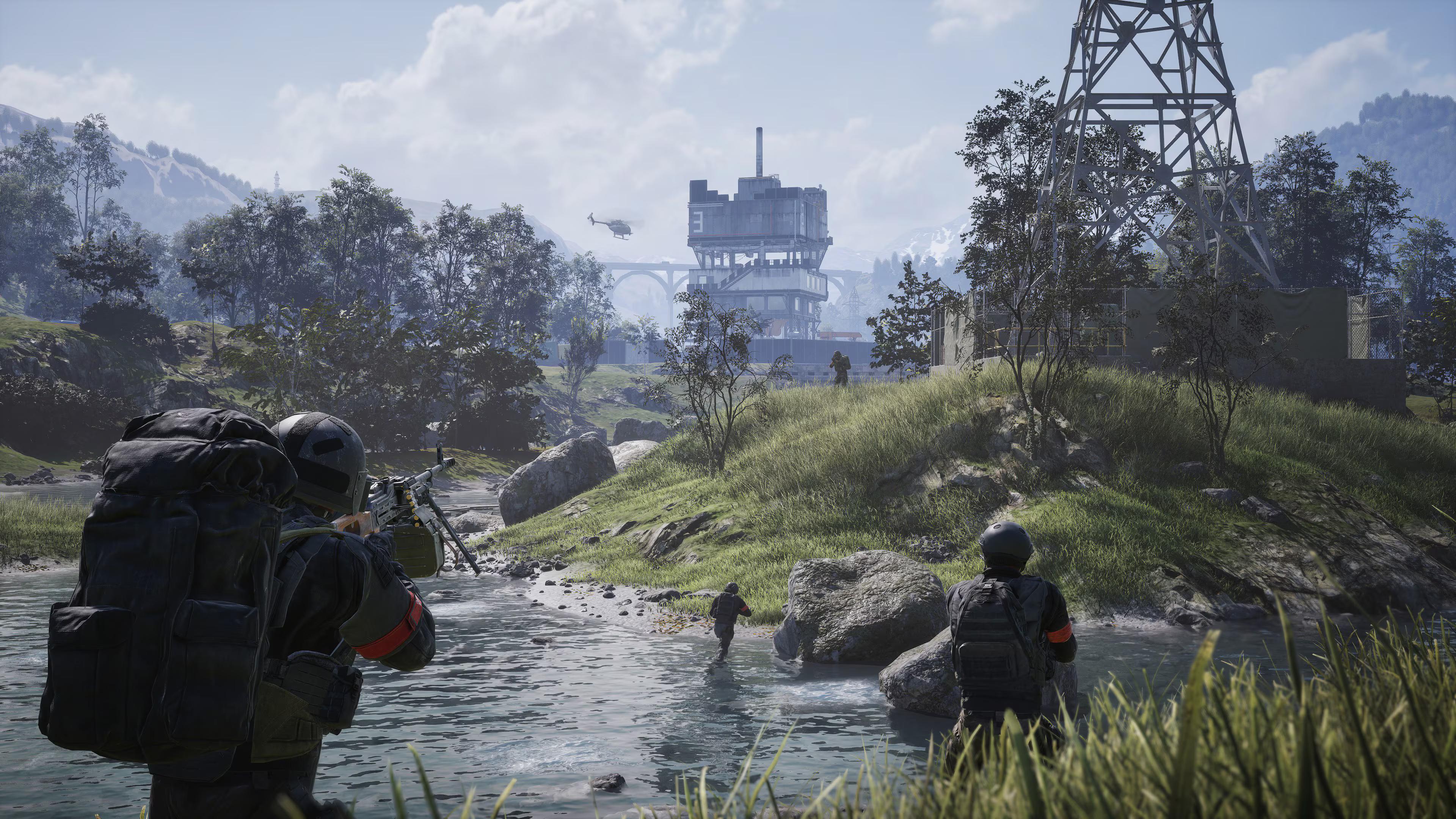
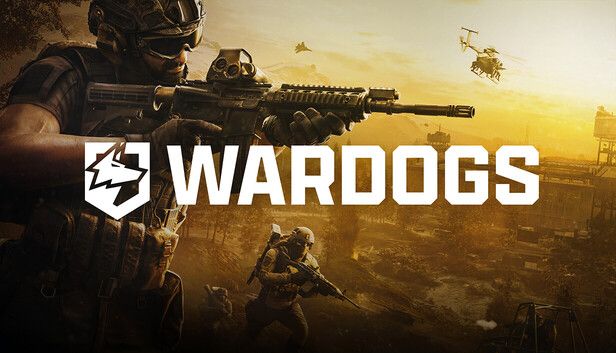 RELATED GAMEWARDOGSView coverage →
 It took only a few days for WARDOGS to go from a new FPS to one of Steam's biggest recent stories.
Released into Early Access on September 10, 2026, BULKHEAD's multiplayer shooter surpassed 2 million copies sold in less than five days, according to an announcement from the developer and publisher Team17.
That growth was equally visible on the servers.
On September 13, WARDOGS reached an all-time peak of 428,666 concurrent Steam players, according to SteamDB.
For a game that's still in Early Access, that's a remarkable debut.
But the numbers only tell part of the story.
WARDOGS appears to have found an audience by bringing back several ideas that once defined large PC multiplayer shooters — huge battles, vehicles, teamwork, community servers and player freedom — while combining them with its own economy, construction and progression systems.
What is WARDOGS?
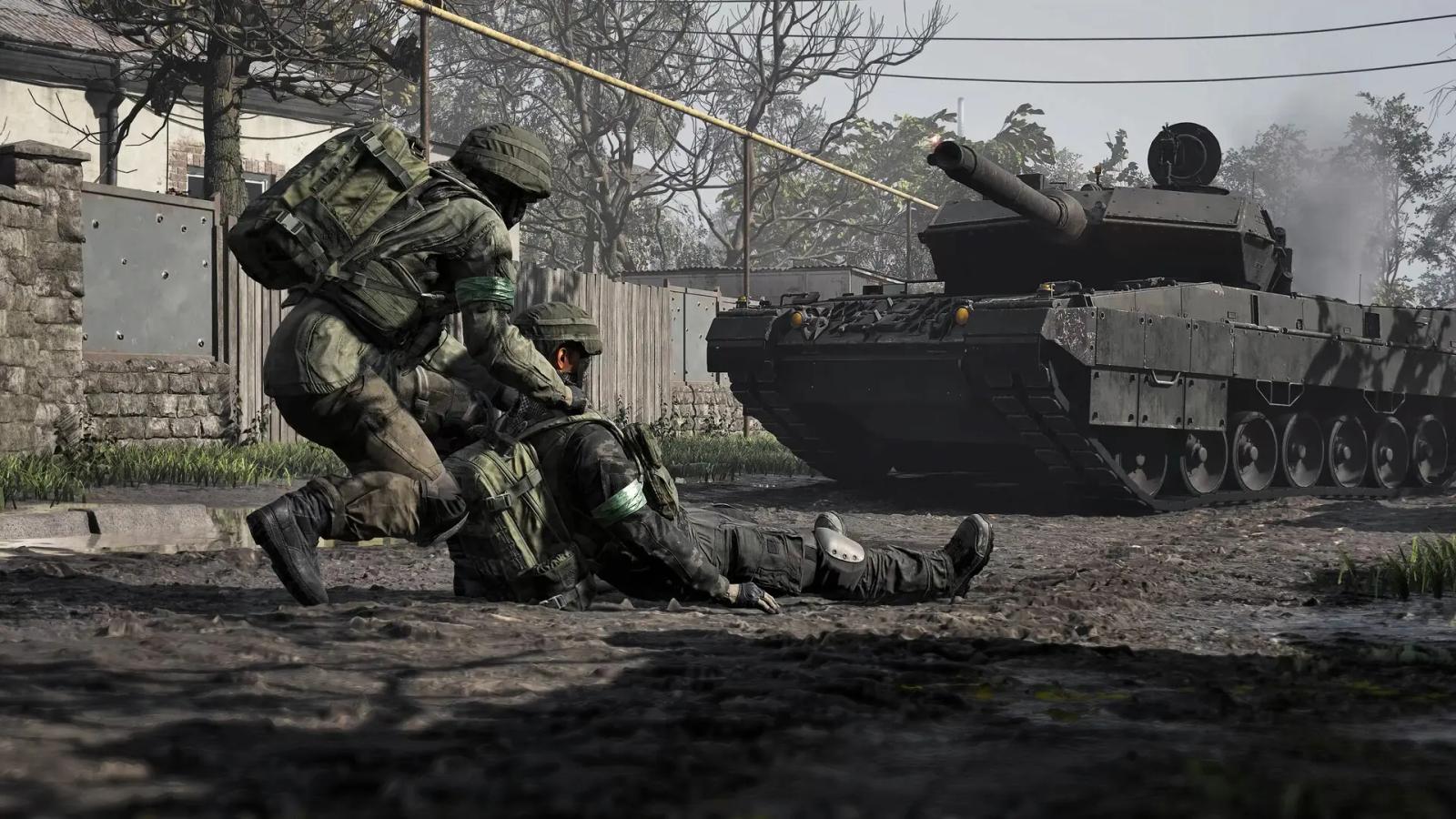
WARDOGS is a multiplayer FPS developed by BULKHEAD and published by Team17.
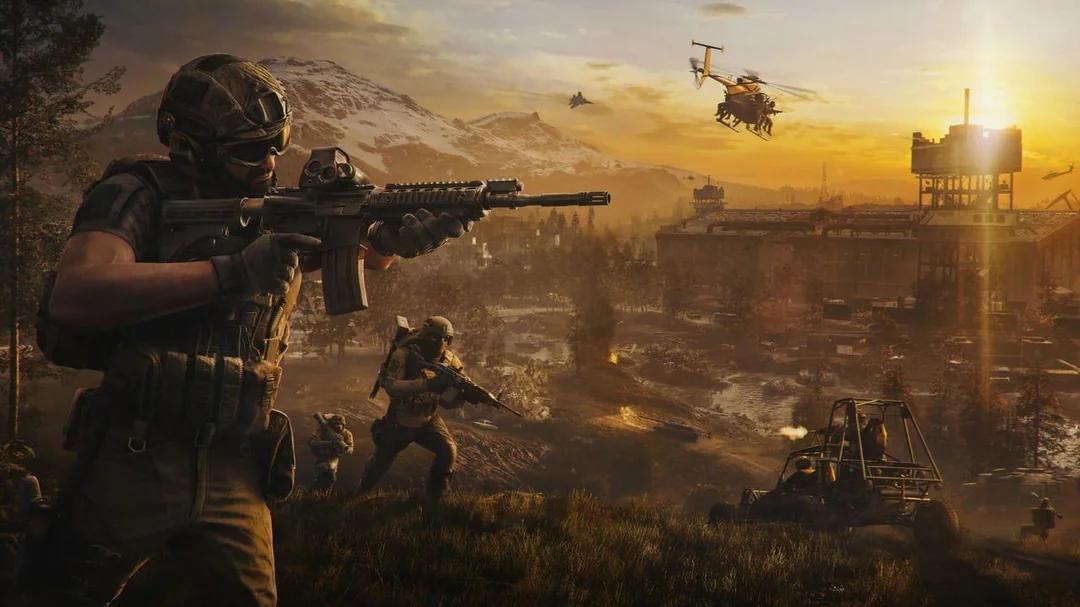
Its main mode puts 100 players across three competing teams.
Rather than a traditional two-sided conflict, all three armies fight simultaneously over Control Zones spread across large maps. The first team to reach the required score wins.
Gameplay combines infantry combat with vehicles, logistics, fortifications and destructible environments.
That puts WARDOGS in an interesting position.
It's not a battle royale.
It's not an extraction shooter.
And it isn't trying to become a pure military simulator.
Instead, it sits somewhere between accessible large-scale shooters and more tactical experiences.
The Battlefield comparisons are inevitable, but WARDOGS has ideas of its own.
One of the most interesting is its economy.
You don't need kills to matter
WARDOGS features an economy that persists between matches.
Players use money to purchase weapons, equipment and vehicles, while their actions on the battlefield can generate additional income.
Kills pay.
But so do revives, transportation, objectives and support actions.
That changes an important part of the multiplayer equation.
You don't necessarily need the best aim on the server to make a major contribution.
You can play medic.
Transport teammates.
Deliver supplies.
Defend a position.
Build fortifications.
Or spend your money on heavy armor and push directly into enemy territory.
That freedom appears to be part of WARDOGS' appeal.
The launch was so big that the servers struggled
Success brought immediate problems.
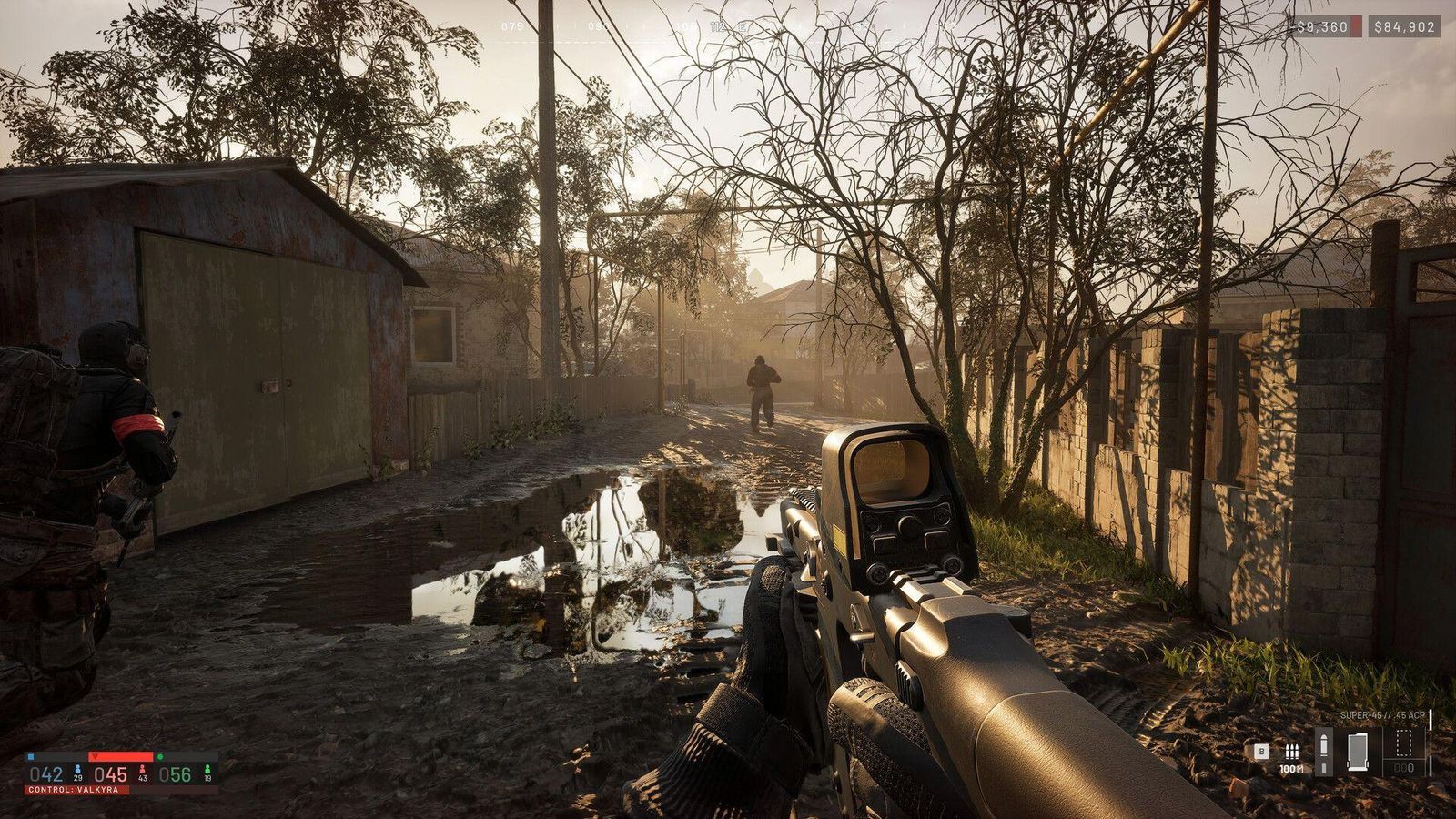
During the opening period, players encountered long queues, failed server connections and unexpected disconnects.
BULKHEAD quickly began deploying stability improvements while managing the number of players entering its infrastructure.
The speed of the game's sales illustrates the scale of that demand.
WARDOGS reportedly reached approximately 1.25 million copies during its first day.
Less than five days after release, that number had passed 2 million.
The demand even created a minor controversy.
During the queues, a small group of content creators received priority server access. Players criticized the decision, and the studio subsequently acknowledged that it had made a mistake.
WARDOGS didn't have a particularly quiet launch.
It had one that became difficult to manage because of its scale.
428,666 players at once
Three days after launch came the biggest number.
SteamDB recorded 428,666 concurrent WARDOGS players at the game's all-time peak on September 13.
Player numbers have naturally declined from that record.
That happens to virtually every major multiplayer release and doesn't determine the health of a game by itself.
Retention is what matters next.
How many players will still be fighting three months from now?
Six months?
A year?
That's the challenge BULKHEAD faces after its extraordinary opening.
WARDOGS brings back something modern shooters left behind
Another feature has attracted particular attention among PC players:
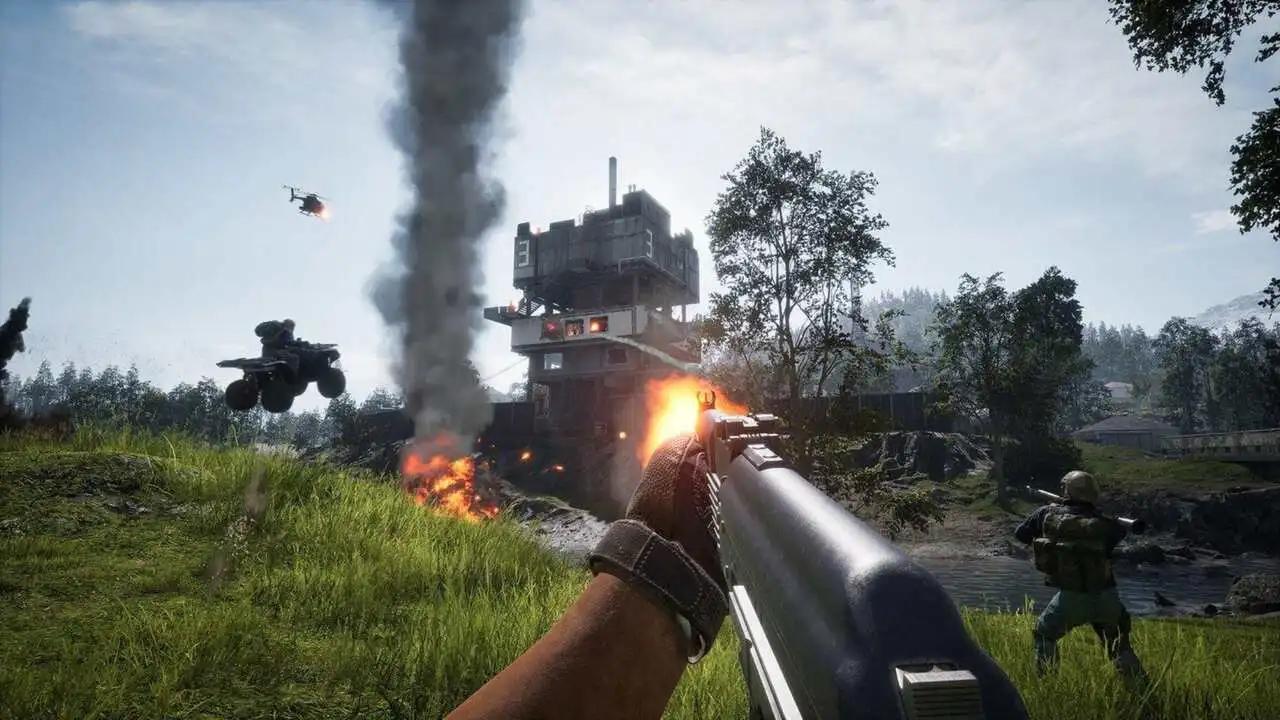
community servers and a traditional server browser.
As major shooters have increasingly shifted toward automated matchmaking, WARDOGS allows communities to operate servers of their own.
That might sound like a minor feature.
For veteran PC FPS players, it isn't.
Persistent servers can allow communities to form around specific maps, rules and groups of players — something that was once much more common in multiplayer shooters.
It's another reason Battlefield comparisons continue to follow WARDOGS.
The game isn't only chasing bigger battles.
It's bringing back elements of an older multiplayer philosophy that part of the PC audience has been missing.
And this is still Early Access
All of this happened before WARDOGS reached its finished state.
The game remains in Early Access, with BULKHEAD estimating that the development period could last approximately one to two years.
The studio plans to expand WARDOGS with additional maps, weapons, vehicles and systems while continuing to improve performance, stability and balance.
That creates both an opportunity and a risk.
BULKHEAD suddenly has a huge community capable of testing the game.
It also has millions of paying customers with expectations.
Keeping those players interested while WARDOGS continues to evolve will be far harder than producing a massive launch spike.
Is WARDOGS coming to PS5 and Xbox?
WARDOGS is currently available only on PC through Steam.
The developer has indicated that console versions are planned for 2028, although a specific release date and final platform list have not yet been announced.
That means PlayStation and Xbox players still face a significant wait.
Crossplay and cross-progression will also be important questions as the console versions get closer.
Is WARDOGS the next major FPS?
It's too early to say.
Selling 2 million copies in less than five days and reaching 428,666 concurrent players are exceptional numbers, but multiplayer games are defined by what happens after their initial explosion.
BULKHEAD now needs to fix technical problems, balance its systems, deliver new content and convince hundreds of thousands of players to stay.
If it succeeds, WARDOGS may have found a valuable space between arcade shooters and more complex military experiences.
If it doesn't, September 2026 may simply be remembered as an extraordinarily large launch.
That story is only beginning.
But one thing has already changed:
WARDOGS is no longer an unknown FPS trying to get Steam's attention.
Now it's a game the rest of the shooter market has to watch.