


IN THIS STORY
Xbox Helix and PS6 reportedly reached a major development milestone56 TFLOPS vs 40 TFLOPS: what do the numbers actually mean?PS6 would not necessarily be 40% slower in gamesCould tape-out point toward the next-generation launch window?The next PlayStation vs Xbox battle is starting to take shape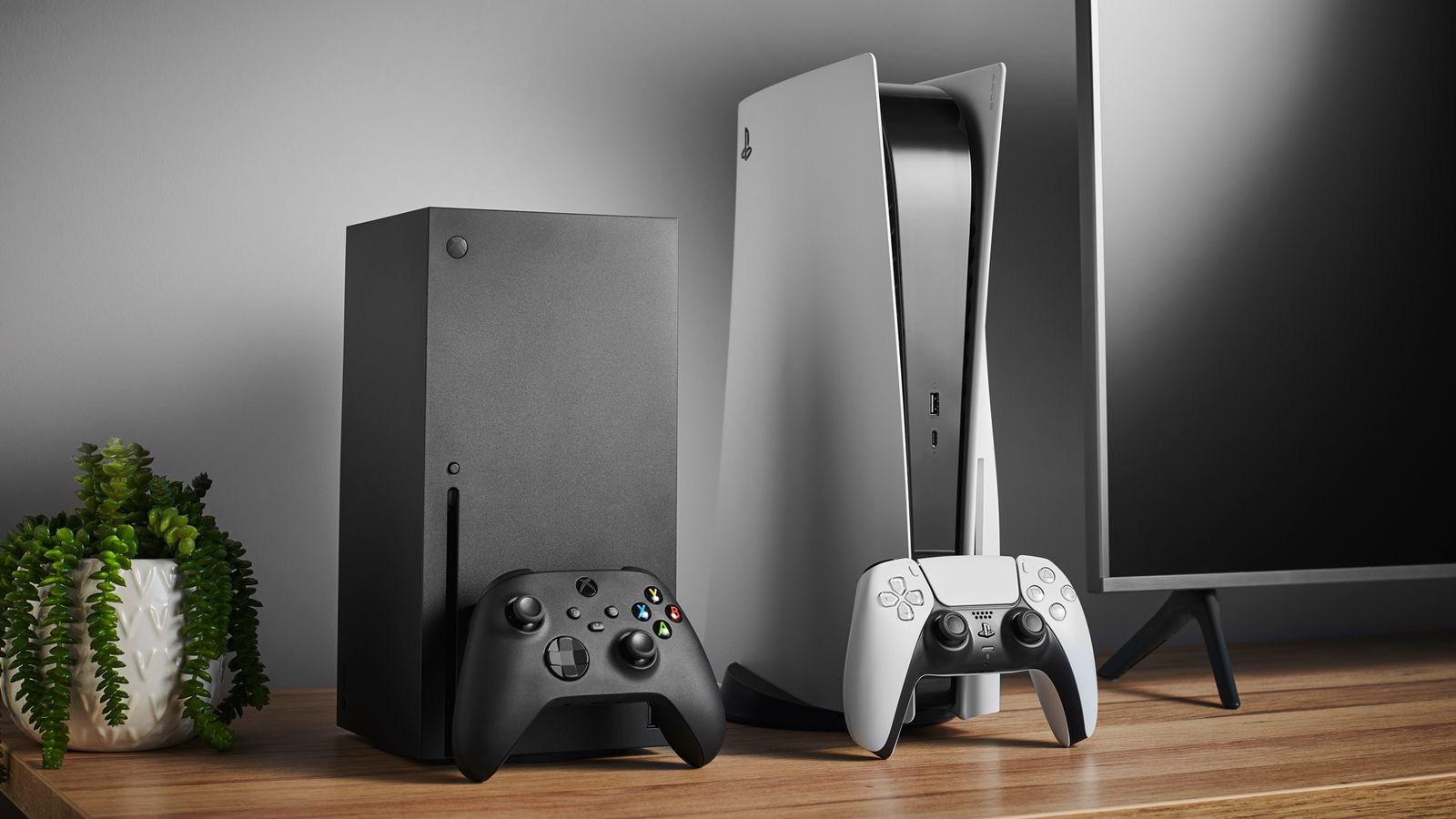
A new hardware leak has put the next generation of consoles back in the spotlight. Information attributed to well-known AMD hardware leaker Kepler_L2 suggests Microsoft's future Xbox, associated with the Project Helix codename, could deliver 56 TFLOPS of theoretical GPU compute, while PlayStation 6 could reach roughly 40 TFLOPS.
If those figures are accurate and measured under the same conditions, Microsoft's hardware would have roughly 40% more theoretical graphics compute. But there is an important difference between raw numbers on paper and actual gaming performance.
The information remains a rumor and has not been confirmed by Microsoft, Sony or AMD.
Xbox Helix and PS6 reportedly reached a major development milestone
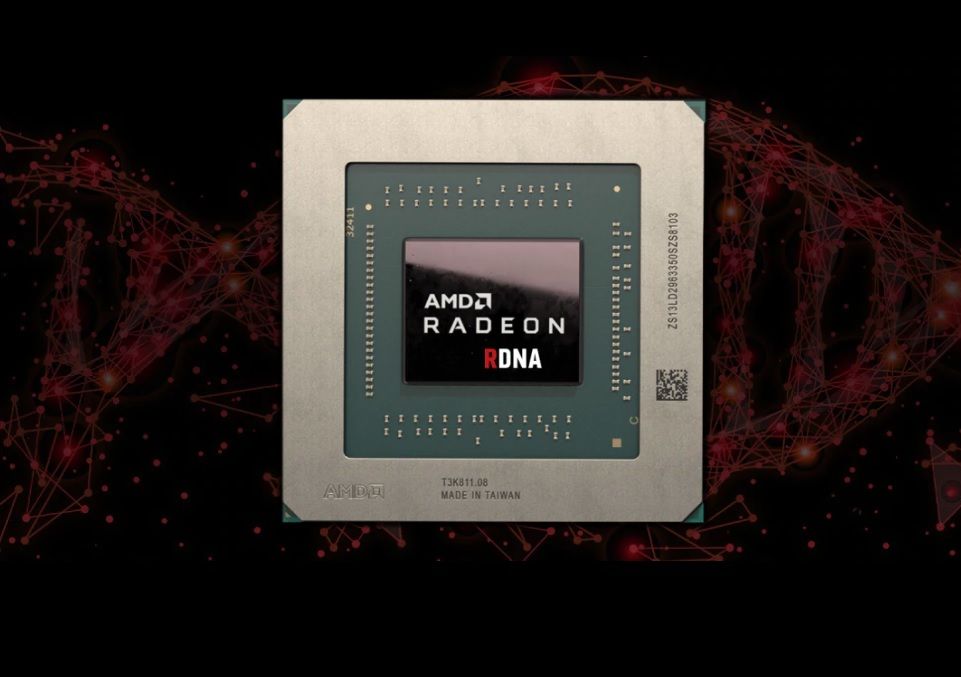
Alongside the performance figures, Kepler_L2 claimed that the chips intended for PS6 and Project Helix have already reached the stage known as tape-out.
In semiconductor development, tape-out generally marks the point at which a chip design is finalized and prepared to move toward silicon manufacturing and validation. It does not mean a console is ready to launch, but it represents an important milestone in hardware development.
Revisions can still occur during validation, particularly if problems are discovered in the silicon.
56 TFLOPS vs 40 TFLOPS: what do the numbers actually mean?
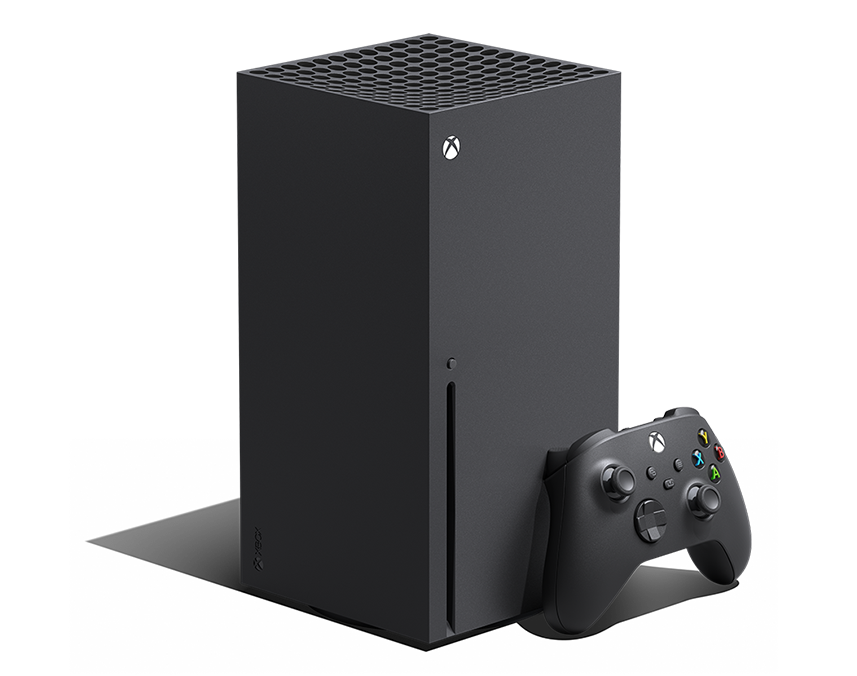
According to the figures attributed to the leaker, Project Helix would deliver approximately 56 TFLOPS of FP32 compute while PS6 would reach around 40 TFLOPS.
Mathematically, 56 TFLOPS represents roughly 40% more theoretical compute than 40 TFLOPS. That does not mean a game will automatically run 40% faster on Xbox.
TFLOPS measure a specific aspect of GPU computational capability. Final gaming performance also depends on architecture, memory bandwidth, clock speeds, ray-tracing hardware, dedicated AI processing, image reconstruction technology, CPU performance and developer optimization.
PS6 would not necessarily be 40% slower in games
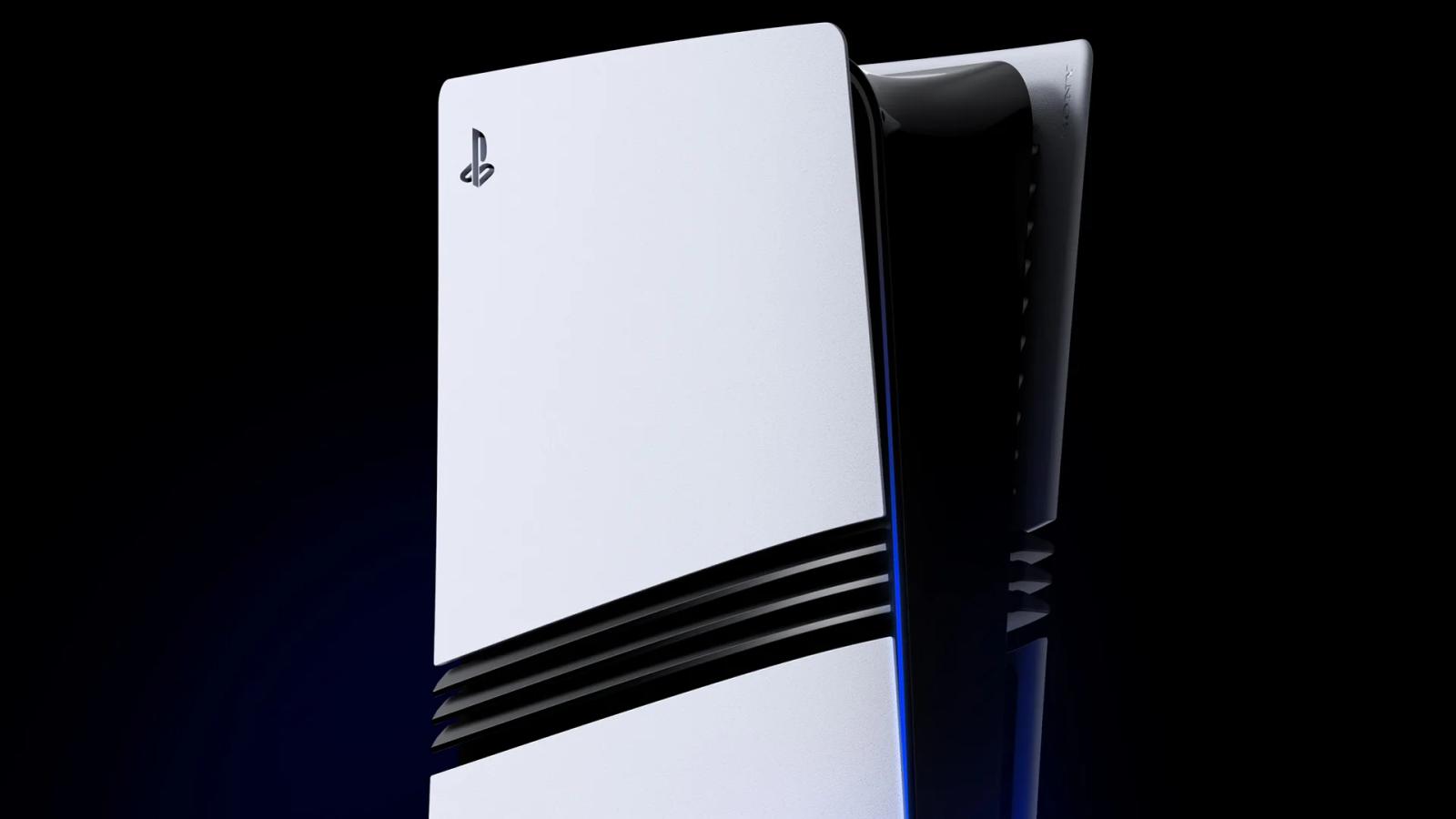
That distinction is the most important part of interpreting the leak. Even if Xbox Helix and PS6 use graphics technology derived from AMD's next-generation architecture, TFLOPS alone cannot predict the exact difference in frame rate, resolution or visual quality between the consoles.
Previous console generations have already demonstrated that larger theoretical specifications do not always produce proportional differences in multiplatform games.
Major details about both systems also remain unknown, including final memory configurations, bandwidth, ray-tracing capabilities and AI-processing hardware.
Could tape-out point toward the next-generation launch window?
The reported tape-out has also renewed speculation about when PS6 and Project Helix could reach the market.
Some reports interpret the development milestone as being compatible with a possible late-2027 arrival, but no official launch date has been announced. The time between tape-out, silicon validation, mass production and a finished consumer product can vary significantly.
A launch window therefore should not be considered confirmed based solely on the reported tape-out.
The next PlayStation vs Xbox battle is starting to take shape
If the leak proves accurate, Microsoft may be preparing a system with a more aggressive approach to raw hardware performance. It remains to be seen how Microsoft and Sony will balance performance, pricing, efficiency and platform-specific features.
For now, Project Helix's reported 56 TFLOPS and PS6's 40 TFLOPS should be treated as unofficial specifications.
The more significant detail may ultimately be the reported tape-out itself. If both chips have genuinely reached that milestone, the fundamental architecture of the next console generation could be much closer to its final form than previously assumed.
Until Microsoft, Sony or AMD provide official details, however, definitive performance comparisons between the two systems remain premature.