
IN THIS STORY
Why Complexity shut downThe Counter-Strike exit was already a warning signMore than two decades of esports historyThe closure raises a broader question about esportsWhat happens to Jason Lake and Complexity now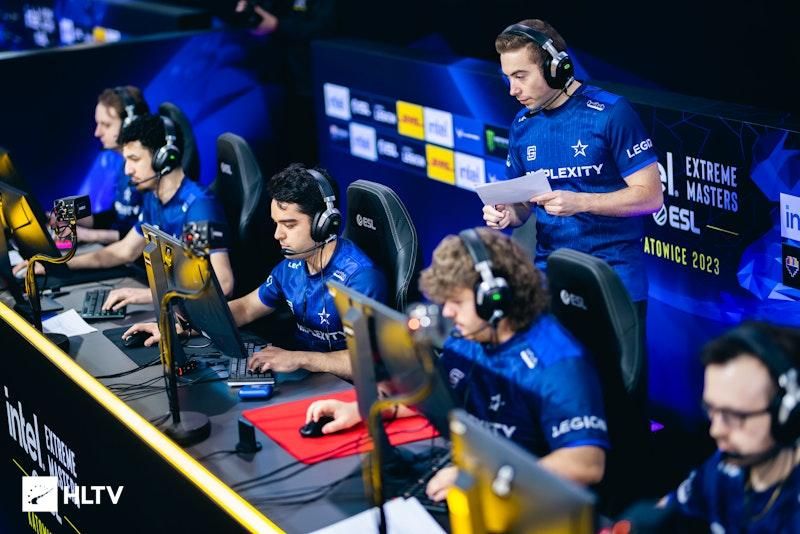
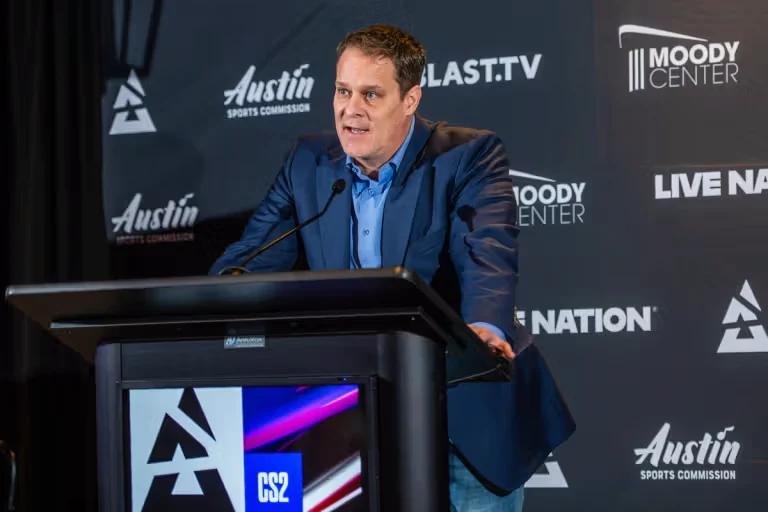
Complexity has officially ceased operations after 23 years, bringing one of North American esports' longest-running stories to an end. Founder Jason Lake confirmed the closure on September 23, 2026, revealing that he and his core team are no longer part of the organization.
The decision was not sudden. According to Lake, the process of winding down Complexity was decided at the end of 2025 after management assessed the state of the business and its prospects for raising capital to pay a seller-held financial obligation.
Why Complexity shut down
The central part of Lake's explanation involves the financial structure behind his group's reacquisition of Complexity.
In March 2024, GameSquare announced the sale of the organization to Global Esports Properties, an investor group led by Lake, for $10.36 million. Documents released by GameSquare show that only $750,000 was due at the closing of the transaction.
The remaining approximately $9.61 million was structured as a three-year seller-financed note carrying 3% annual interest. The agreement also provided for part of certain equity proceeds raised by Global Esports to be credited against the outstanding principal balance.
In his farewell announcement, Lake said the team evaluated the prospects of raising the capital necessary to pay the seller-held note and decided that an orderly shutdown was the best course of action.
Complexity's intellectual property has returned to GameSquare. That distinction matters: the shutdown of the operation led by Lake does not necessarily mean the legal disappearance of the Complexity brand itself. Ownership of the name and its intellectual property has reverted to its former parent company.
The Counter-Strike exit was already a warning sign
Complexity had significantly reduced its competitive footprint before the final announcement.
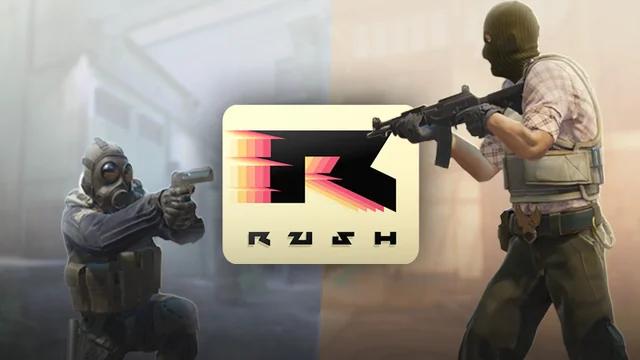
In August 2025, the organization exited Counter-Strike, the game that had formed one of the foundations of its identity for more than two decades. At the time, Lake had already pointed to the economic difficulty of maintaining a top-level competitive operation.
Complexity continued operating on a reduced scale after leaving Counter-Strike. The September 2026 announcement formally closes that chapter.
More than two decades of esports history
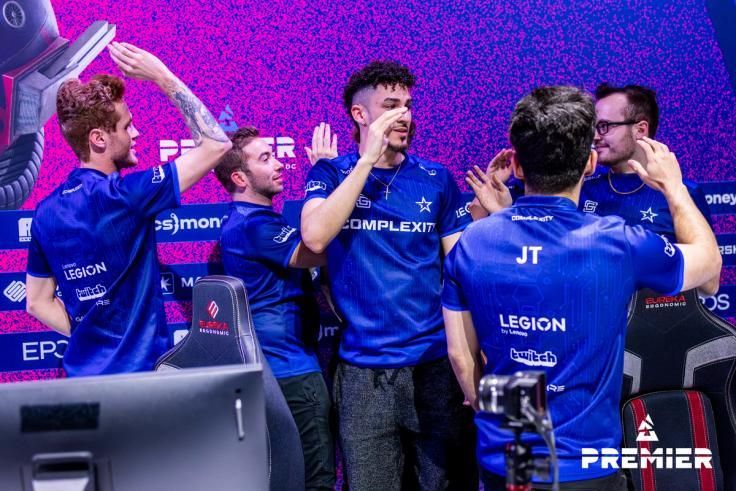
Founded in 2003, Complexity became one of the most recognizable organizations from the early generation of North American esports.
Its connection to Counter-Strike began during the organization's early years. Across its history, Complexity also competed in numerous other games and went through several different ownership structures.
Jerry Jones and John Goff acquired a majority stake in 2017. GameSquare acquired Complexity in 2021 before selling the organization to the Lake-led investor group in 2024.
The 2024 sale was also connected to GameSquare's acquisition of FaZe Clan and restrictions in some competitive ecosystems regarding multiple teams operating under common ownership.
The closure raises a broader question about esports
Complexity's case provides a concrete example of the financing challenges that can affect even established brands in competitive gaming.
The financial difficulties of an entire industry cannot be attributed to the circumstances of a single organization. However, Lake's explanation illustrates a difficult combination: the cost of maintaining competitive operations, dependence on access to outside capital and a significant financial obligation connected to the acquisition of the company itself.
Complexity had survived multiple generations of games, ownership changes and major transformations across the industry. The fact that an organization with that longevity ultimately chose to wind down after evaluating its financing prospects adds another case to the ongoing debate about sustainable esports business models.
That does not mean esports are disappearing. Competitions, teams, publishers, sponsors and audiences continue to form a significant global market. The Complexity case does show, however, that brand recognition and competitive history do not remove the challenge of turning audience and sporting success into a financially sustainable operation.
What happens to Jason Lake and Complexity now
Lake made clear that Complexity's closure does not mean he is retiring.
After taking a sabbatical during 2026, he said he is looking for new opportunities to build and lead, preferably within esports, while acknowledging the difficulty of the current environment.
The future of the Complexity brand now rests with GameSquare, which once again controls its intellectual property. As of Lake's announcement, no plan had been presented for a potential return of Complexity under a new operating structure.
For a brand founded in 2003 and closely tied to the evolution of North American esports, the closure represents more than a roster move or an exit from a single game. For the first time in 23 years, Jason Lake and his core team are no longer leading Complexity.