
IN THIS STORY
What is NVIDIA DLSS 5?How does 3D-Guided Neural Rendering work?DLSS 5 can enhance skin, hair, fabrics and lightingDevelopers retain control over the final imageWhich GPUs support DLSS 5?What was the first DLSS 5 game?Which games will support DLSS 5?Does DLSS 5 replace DLSS 4.5?Does DLSS 5 increase FPS?Is DLSS 5 generative AI for game graphics?Could DLSS 5 change game graphics?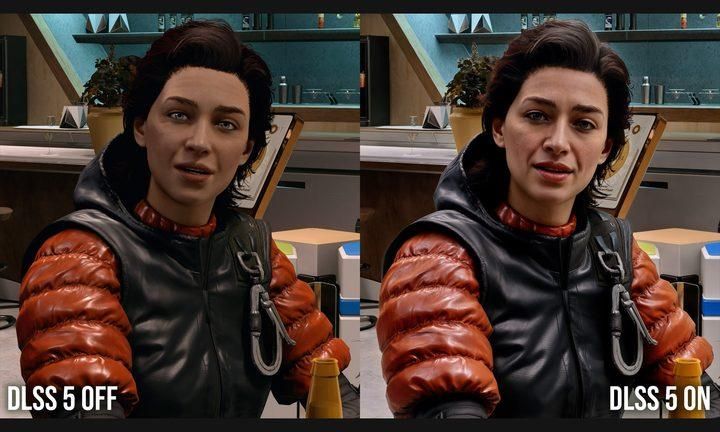
NVIDIA's next generation of DLSS is no longer just a technology preview.
DLSS 5 officially became available on September 1, 2026, debuting its new 3D-Guided Neural Rendering technology in NBA 2K27. The feature is available on GeForce RTX 50 Series desktop and laptop GPUs and through GeForce NOW.
And DLSS 5 is about much more than increasing frame rates.
The technology uses generative AI to enhance the final appearance of rendered pixels with more lifelike lighting and materials while preserving the geometry and structure created by game developers.
NVIDIA describes it as the company's most significant computer graphics breakthrough since the introduction of real-time ray tracing in 2018.
What is NVIDIA DLSS 5?
Previous generations of DLSS became known for technologies including Super Resolution, Frame Generation, Multi Frame Generation and Ray Reconstruction.
DLSS 5 adds a new component: 3D-Guided Neural Rendering.
Rather than simply reconstructing a higher-resolution image or generating additional frames, the model can interpret elements within a scene and enhance their appearance using visual knowledge learned during training.
This includes complex elements such as skin, hair, fabrics, translucent materials and different lighting conditions.
How does 3D-Guided Neural Rendering work?
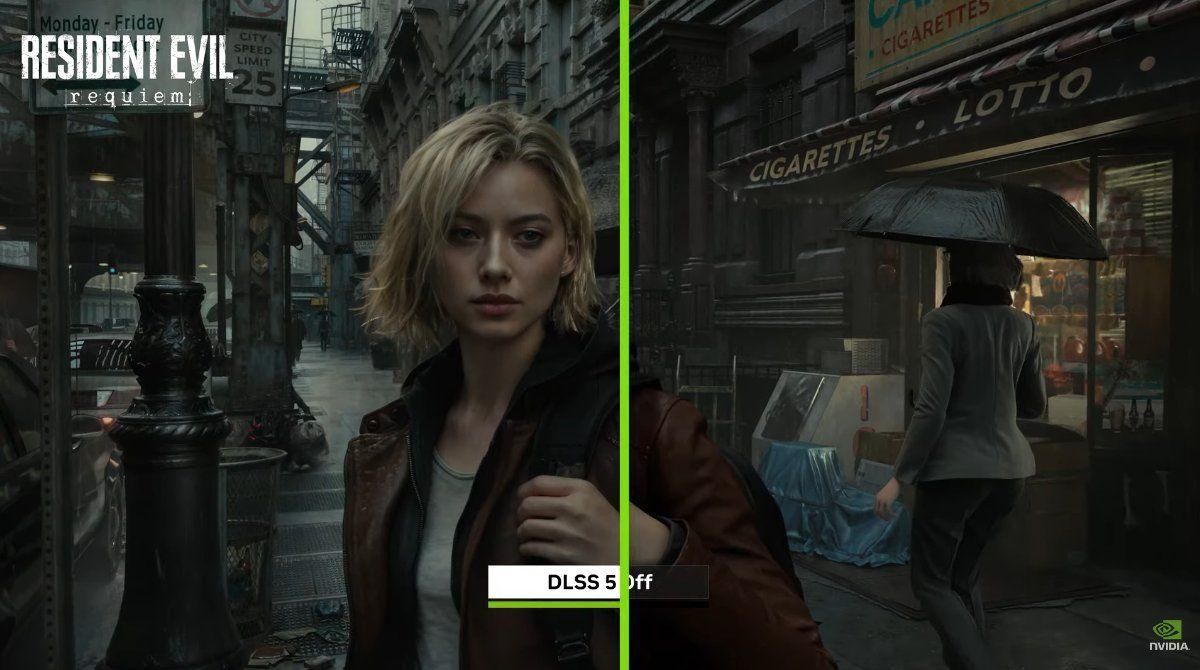
DLSS 5 uses a generative model conditioned by information from the game itself, including the rendered frame, motion vectors and temporal data.
NVIDIA designed the system to preserve the structure and geometry of the original scene while using learned knowledge of real-world appearance to improve the final image.
The model operates locally as an additional rendering stage and can run in real time at up to 4K resolution on a single RTX 50 Series GPU.
DLSS 5 can enhance skin, hair, fabrics and lighting
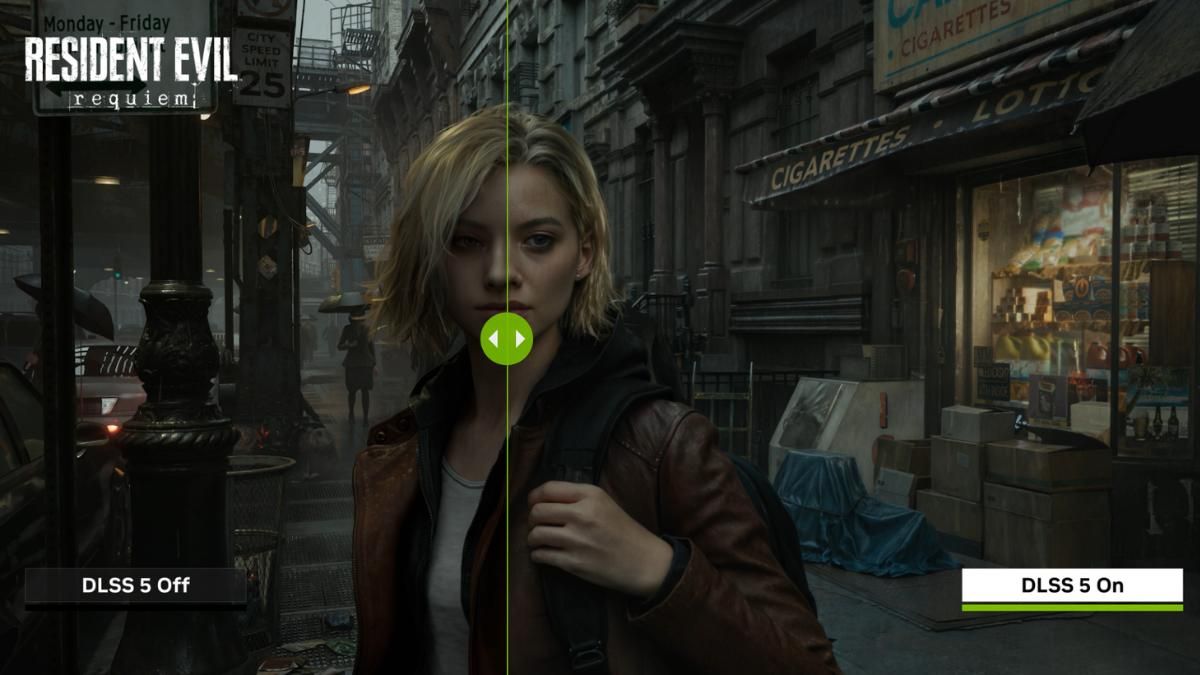
The neural model can identify different elements within a scene and produce more sophisticated material responses.
Skin can display more convincing subsurface scattering, while hair, fabrics and other materials can interact with light in more lifelike ways.
NVIDIA says the model can also understand environmental lighting conditions such as front lighting, backlighting and overcast environments.
Developers retain control over the final image
DLSS 5 also gives developers controls for intensity, color grading and masking.
These controls allow artists to determine where and how neural enhancements are applied, helping preserve each game's intended visual identity.
DLSS 5 therefore isn't designed as a generic AI filter automatically applied to every game.
Developers integrate and tune the technology specifically for their titles.
Which GPUs support DLSS 5?
At launch, DLSS 5 3D-Guided Neural Rendering is supported on GeForce RTX 50 Series GPUs and laptops.
NVIDIA's current DLSS documentation explicitly associates the feature with RTX 50 Series hardware.
RTX 40, 30 and 20 Series GPUs can continue using compatible technologies from earlier DLSS generations, but they do not currently support DLSS 5's new 3D-Guided Neural Rendering feature.
What was the first DLSS 5 game?
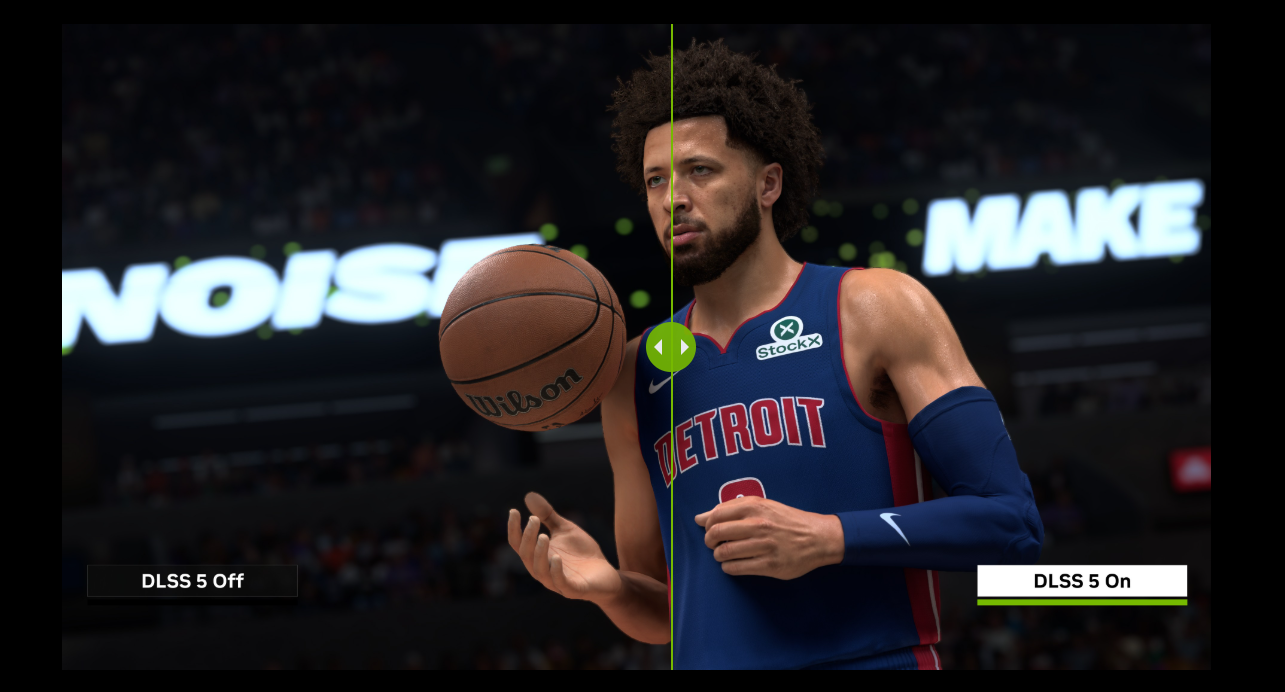
NBA 2K27 became the first commercially released game featuring DLSS 5.
RTX 50 Series players can use 3D-Guided Neural Rendering alongside other NVIDIA technologies including Reflex, Super Resolution, Dynamic Multi Frame Generation and ray-traced reflections.
Which games will support DLSS 5?
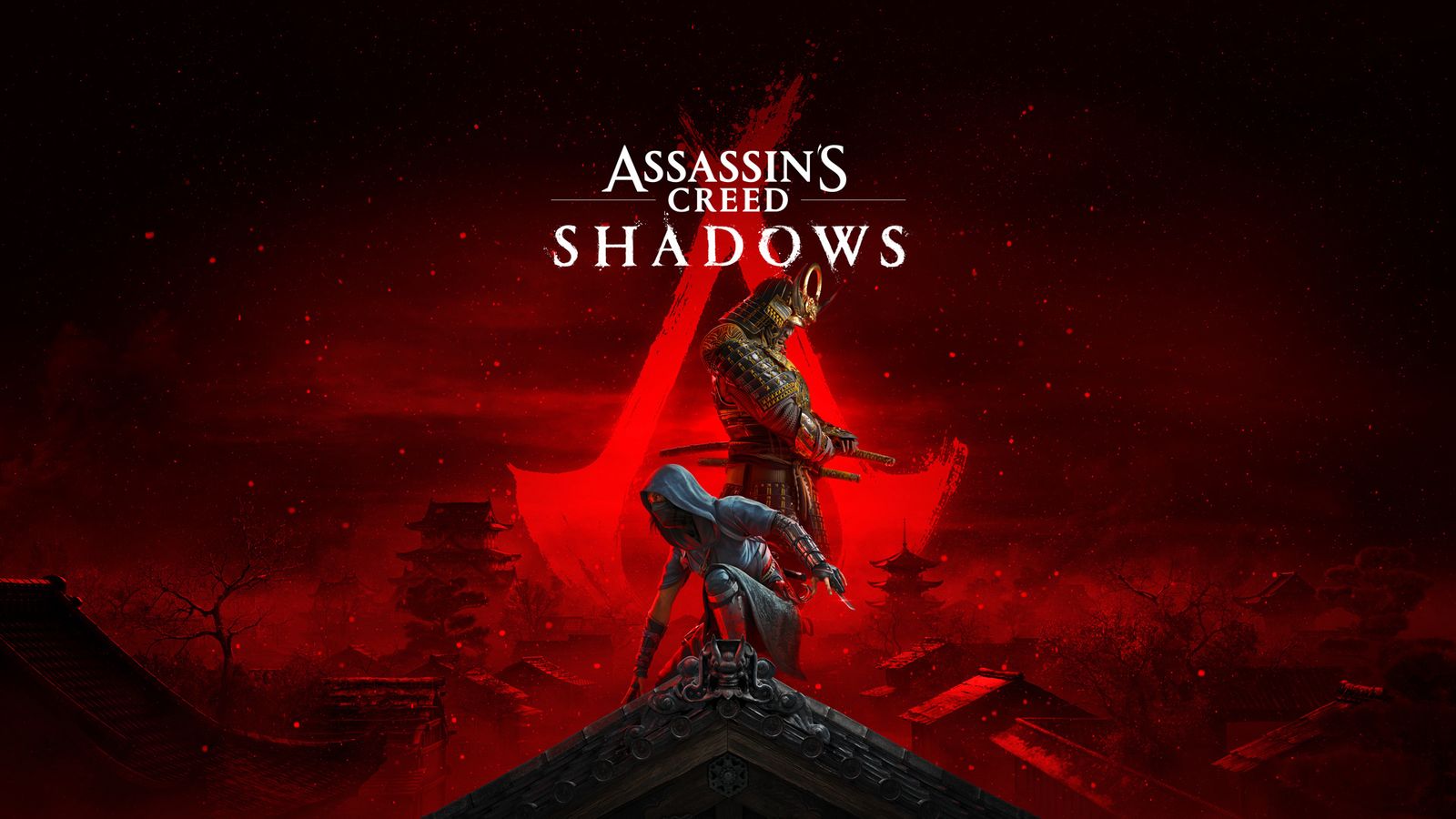
NVIDIA has already announced a substantial lineup including AION 2, Assassin's Creed Shadows, Black State, CINDER CITY, Delta Force, Hogwarts Legacy, Justice, NARAKA: BLADEPOINT, Neverness to Everness, Phantom Blade Zero, Resident Evil Requiem, Sea of Remnants, Starfield, The Elder Scrolls IV: Oblivion Remastered and Where Winds Meet.
Publishers and developers supporting the technology include Bethesda, CAPCOM, Ubisoft, Warner Bros. Games, NetEase, Tencent, NCSOFT, Hotta Studio and S-GAME.
Does DLSS 5 replace DLSS 4.5?
Not exactly.
DLSS is now better understood as a suite of neural rendering technologies.
DLSS 5's 3D-Guided Neural Rendering complements technologies such as Super Resolution, Ray Reconstruction and Multi Frame Generation rather than simply replacing them.
Does DLSS 5 increase FPS?
Increasing frame rate isn't the primary purpose of DLSS 5's new neural rendering feature.
Super Resolution and Multi Frame Generation remain responsible for many of DLSS's performance gains.
DLSS 5 instead focuses on improving the final visual appearance of the rendered scene, using AI to create more lifelike lighting and material responses.
Is DLSS 5 generative AI for game graphics?
Yes, but it is significantly more constrained than a conventional image generator.
NVIDIA's research describes DLSS 5 as generative rendering based on a one-step pixel-space diffusion model guided by conventional 3D rendering information.
The system is designed to remain deterministic, temporally stable and faithful to developer-authored scene content.
Could DLSS 5 change game graphics?
DLSS originally became famous for reconstructing pixels. It later expanded into frame generation and ray reconstruction.
DLSS 5 takes another step by allowing AI to participate directly in determining the final appearance of a rendered scene.
The technology is already shipping in NBA 2K27, and major games and publishers have confirmed future support.
The next question is how effectively different developers can use neural rendering while preserving their games' individual artistic identities.
And that makes DLSS 5 considerably more interesting than another simple upscaling update.