

The simplest way to play the Tomb Raider games in order is by release date, but you do not have to play all of them. The series is split into three separate timelines (the classic Core Design games, the Legend trilogy and the Survivor trilogy), so you can start at the beginning of any of them without missing story you need.
For most new players, the best starting point is Tomb Raider (2013), the first game of the Survivor trilogy. If you prefer the classic style, start with Tomb Raider I-III Remastered. Below you will find the full release order, how the timelines connect and where the upcoming games fit.
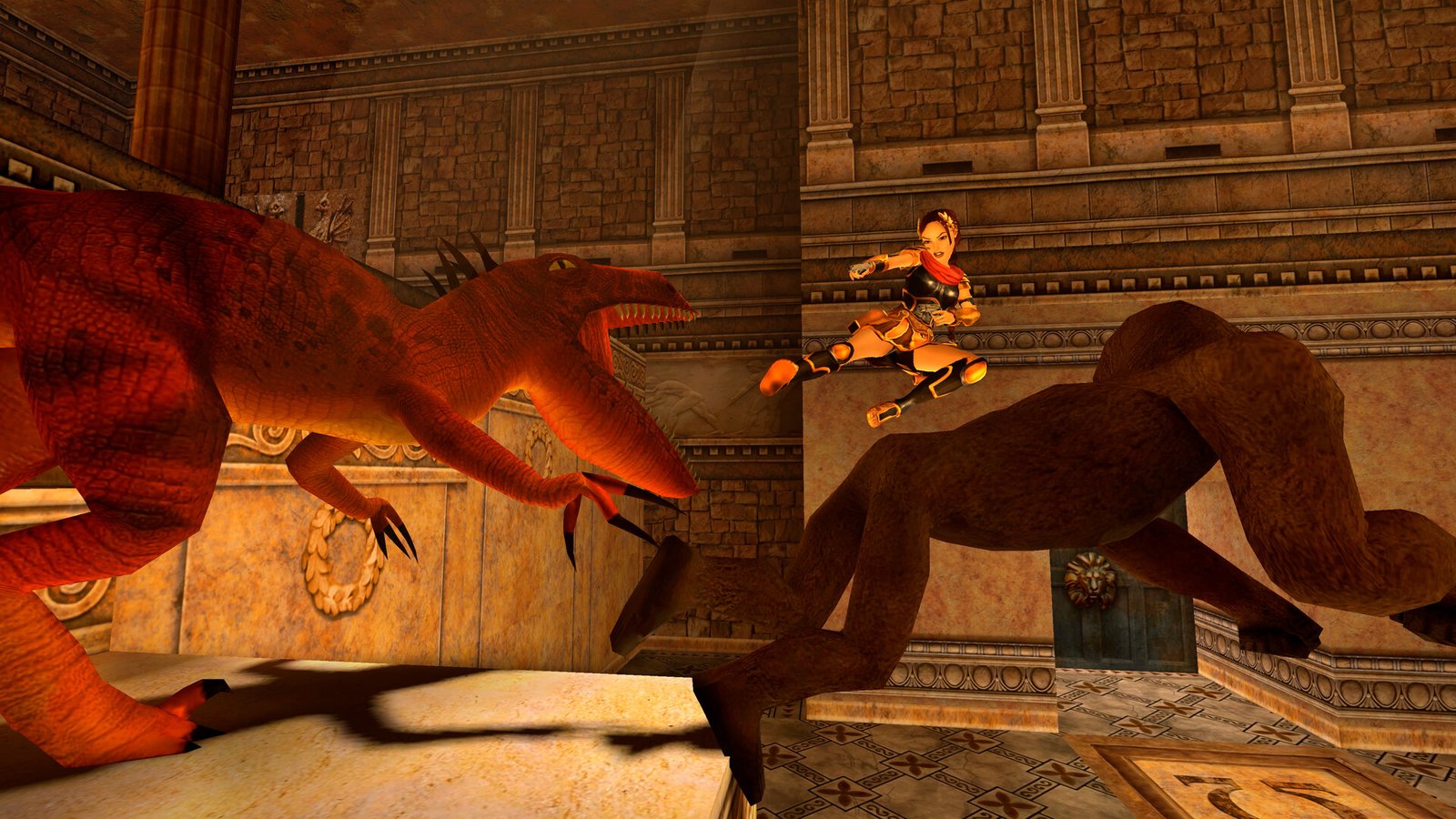
Tomb Raider games in release order
These are the main entries, with the year each one first launched:
- Tomb Raider (1996): first on Sega Saturn, then PlayStation and PC
- Tomb Raider II (1997)
- Tomb Raider III (1998)
- Tomb Raider: The Last Revelation (1999)
- Tomb Raider Chronicles (2000)
- Tomb Raider: The Angel of Darkness (2003)
- Tomb Raider: Legend (2006)
- Tomb Raider: Anniversary (2007), a remake of the first game
- Tomb Raider: Underworld (2008)
- Tomb Raider (2013), the reboot
- Rise of the Tomb Raider (2015 on Xbox, 2016 on PS4 and PC)
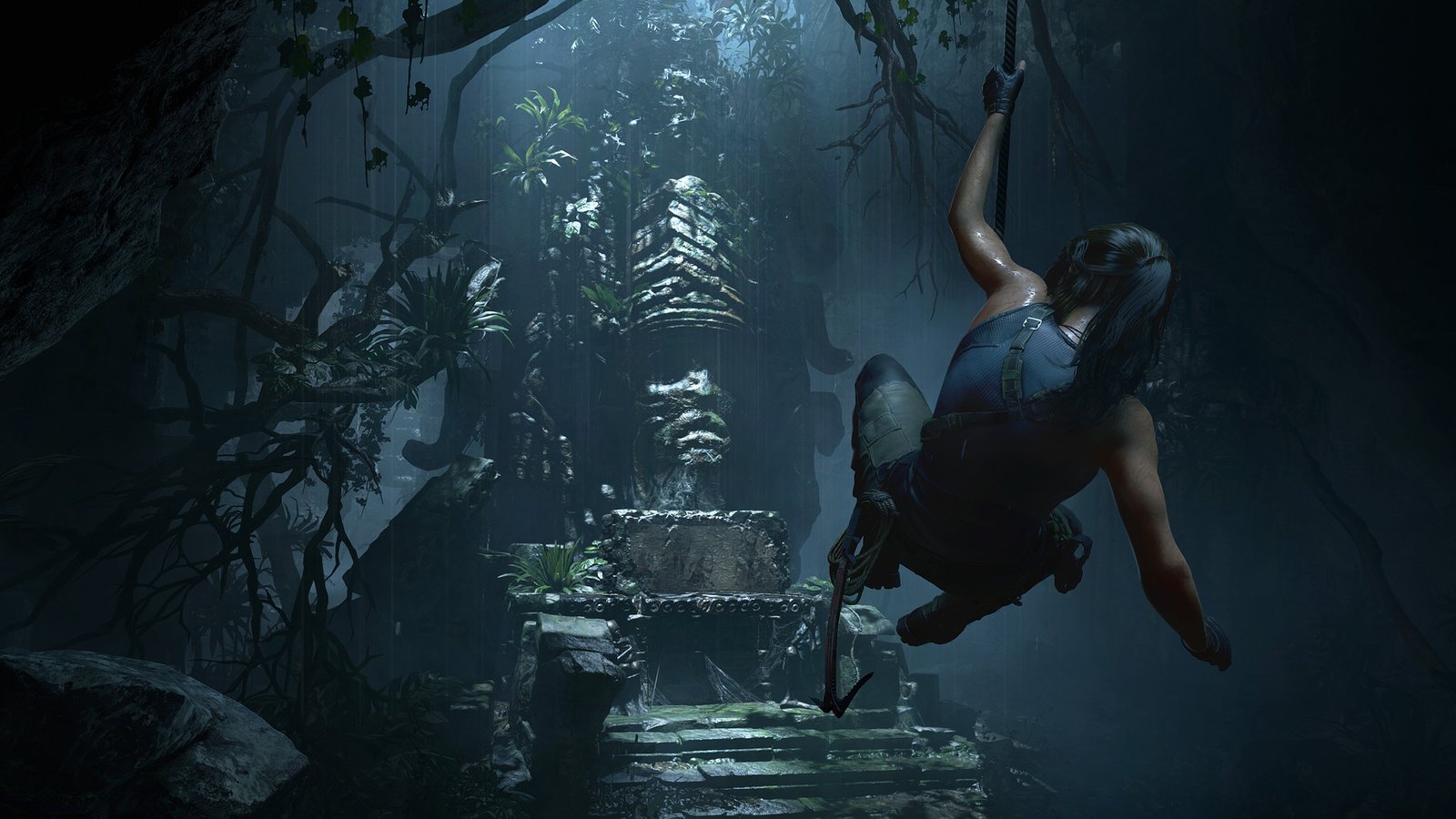
- Shadow of the Tomb Raider (2018)
- Tomb Raider: Legacy of Atlantis (February 12, 2027), a reimagining of the first game
- Tomb Raider: Catalyst (officially planned for 2027)
Remasters and spin-offs
- Tomb Raider I-III Remastered (2024) and Tomb Raider IV-VI Remastered (2025), by Aspyr, collect the six Core Design games for PC, PlayStation, Xbox and Nintendo Switch.
- The Lara Croft spin-offs, Lara Croft and the Guardian of Light (2010), Lara Croft and the Temple of Osiris (2014) and the mobile puzzler Lara Croft GO (2015), sit in their own continuity and can be played at any time.
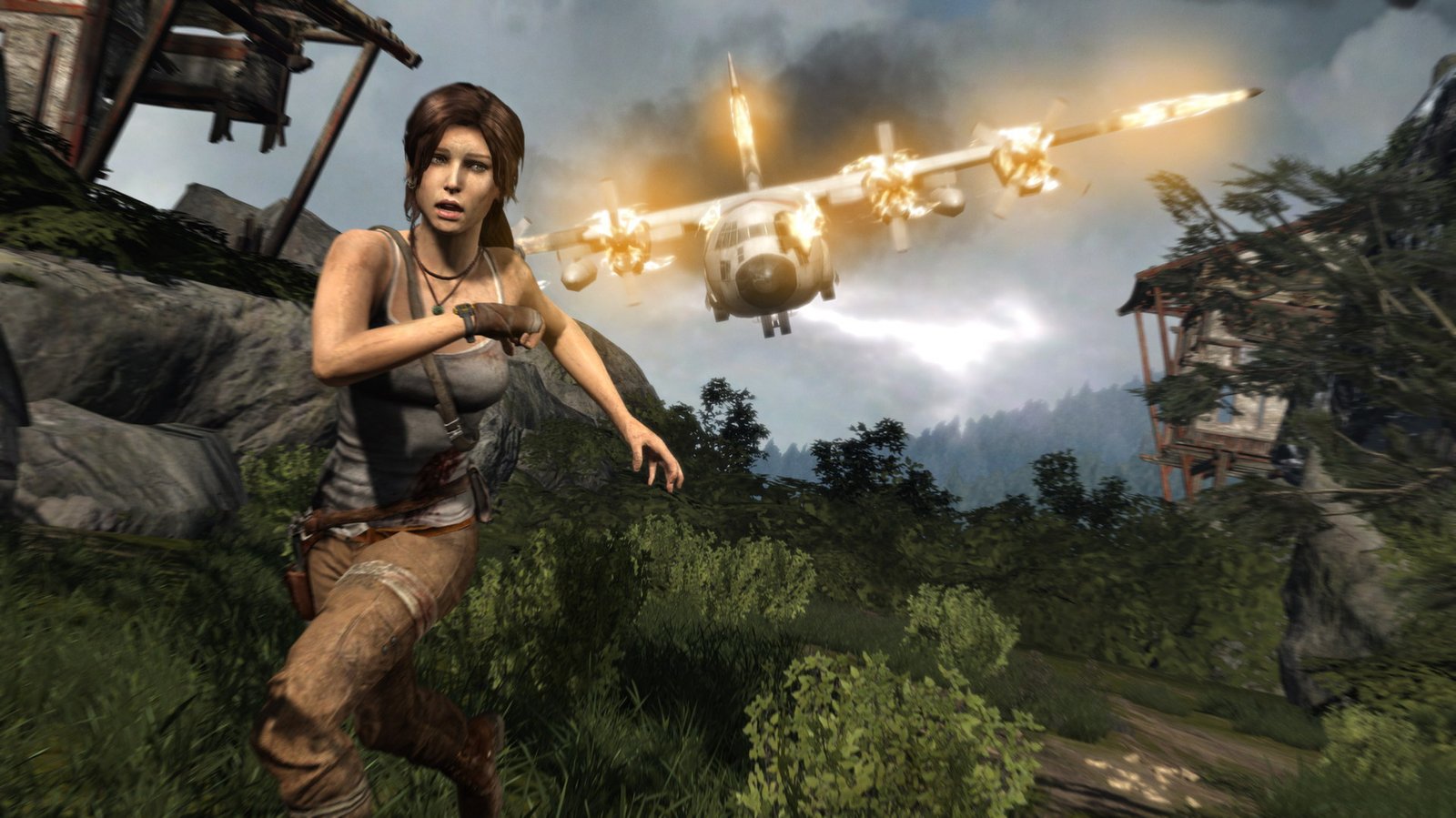
Tomb Raider story timeline: the three continuities explained
Classic timeline (1996 to 2003)
The six Core Design games form one continuous story, from Lara's hunt for the Scion in the first game to The Angel of Darkness. Play them in release order. The only twist is Chronicles, which is told mostly through flashbacks to earlier adventures, so it works fine right after The Last Revelation.
Legend trilogy (2006 to 2008)
Crystal Dynamics restarted the story with Legend, Anniversary and Underworld. Anniversary retells the 1996 adventure in this continuity, so you can play it first for chronology or keep release order (Legend, Anniversary, Underworld), which is how the story was designed to unfold.
Survivor trilogy (2013 to 2018)
Tomb Raider (2013), Rise of the Tomb Raider and Shadow of the Tomb Raider show a young Lara becoming the tomb raider. This is the most cinematic and accessible part of the series, and its three games should always be played in order.
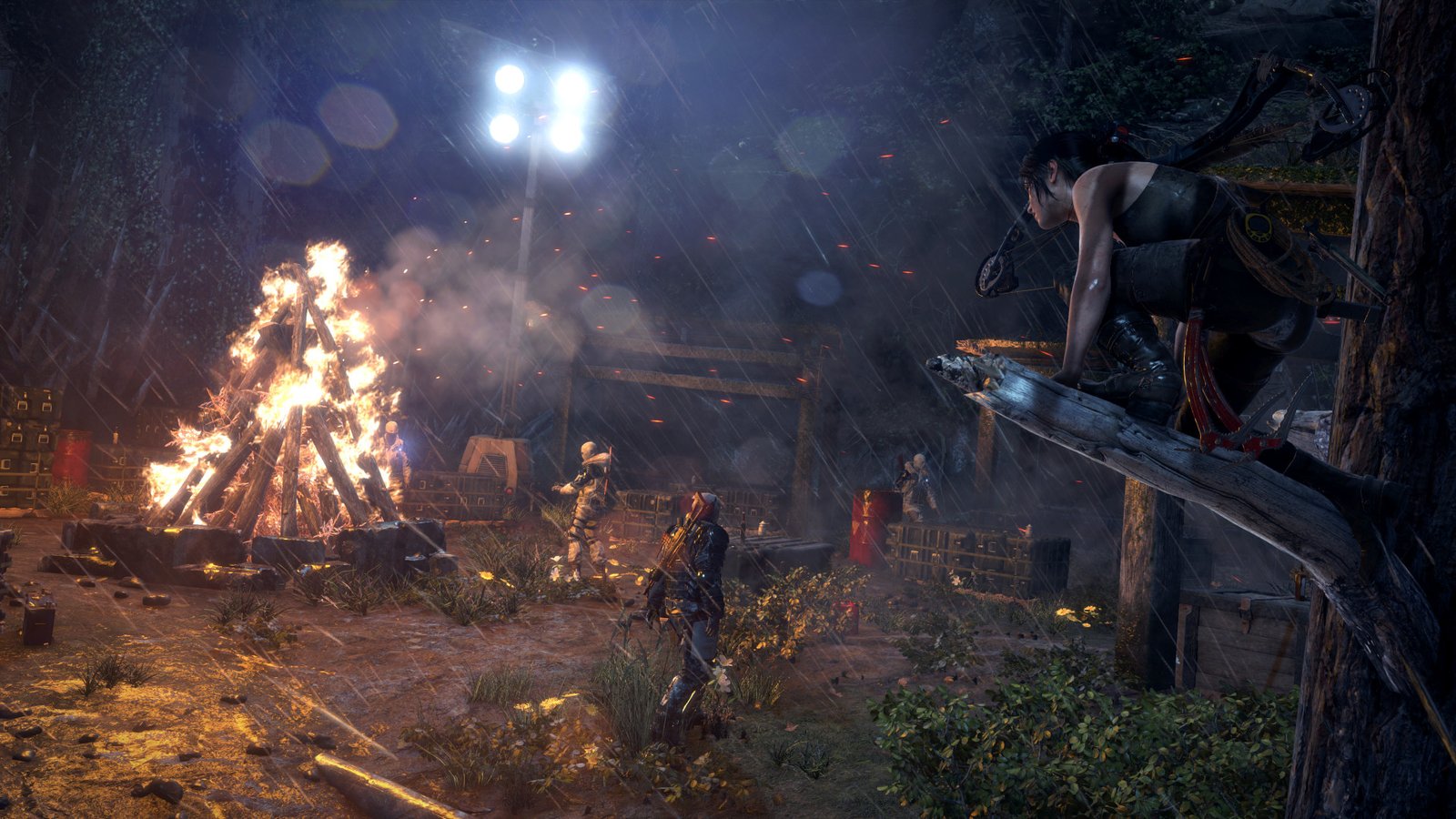
The unified timeline
Crystal Dynamics has said its new games will bring the timelines together. Tomb Raider: Catalyst is set in Northern India years after Underworld and treats the Survivor trilogy as Lara's origin story, so the Legend and Survivor games are the most useful background for it.
Best place to start, by player type
- New to the series: start with Tomb Raider (2013) and play the Survivor trilogy. Modern controls, strong story and easy to find on current platforms.
- You want the classic experience: play Tomb Raider I-III Remastered, which lets you switch between original and updated graphics. Expect tank controls and tough platforming.
- You are getting ready for Catalyst: the Legend trilogy plus the Survivor trilogy cover the story threads it builds on.
- You want something short or co-op: the Lara Croft spin-offs are standalone and do not require any other game.
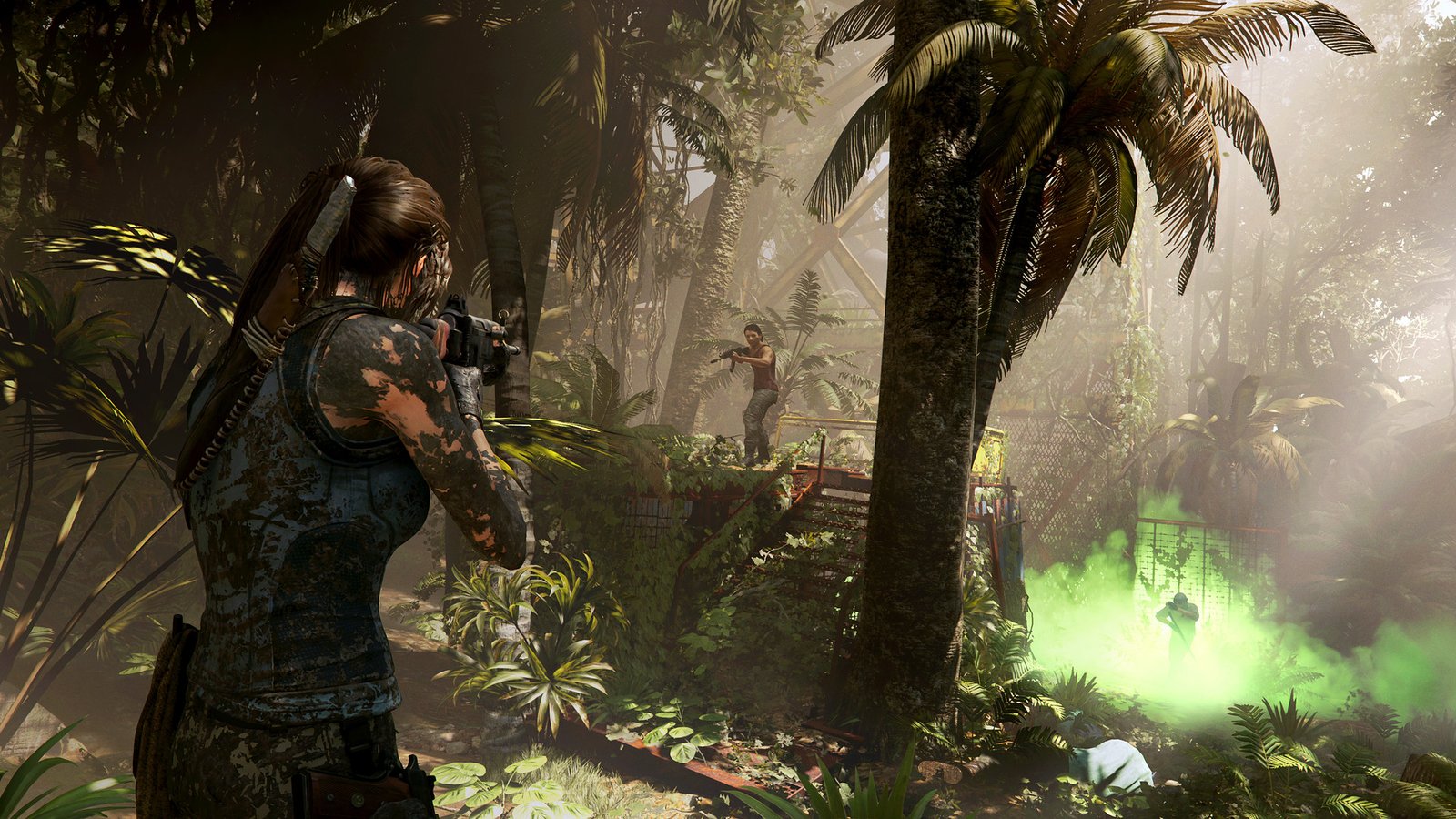
Where Legacy of Atlantis fits
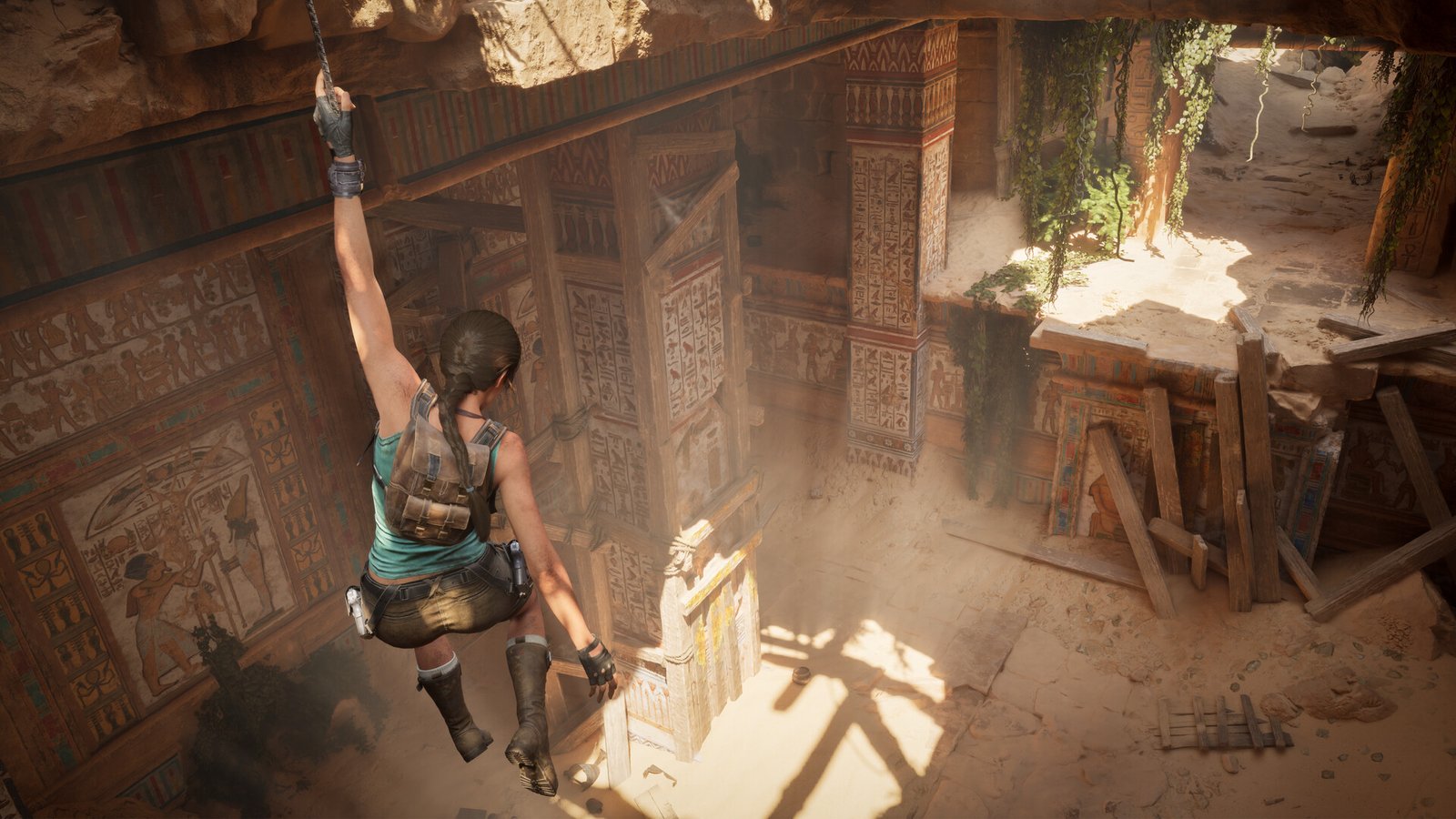
Tomb Raider: Legacy of Atlantis is a new take on the 1996 original, built in Unreal Engine 5 by Crystal Dynamics and Flying Wild Hog for PS5, Xbox Series X|S, Switch 2 and PC. Because it retells the first adventure, you do not need to play anything before it. Release details are on the official Legacy of Atlantis site, and our Tomb Raider 30th anniversary and Legacy of Atlantis coverage sums up editions and what comes next.
Common mistakes when playing Tomb Raider in order
- Mixing the 2013 reboot with the 1996 original: both are called simply Tomb Raider, so check the year before you buy.
- Assuming Anniversary and Legacy of Atlantis are the same game: they are two different remakes of the first adventure, made almost 20 years apart.
- Starting the Survivor trilogy with Shadow: its story builds directly on the first two games.
FAQ
Do I need to play every Tomb Raider game in order?
No. Play in order within each timeline, but each timeline stands on its own.
How many main Tomb Raider games are there?
Twelve released main games, counting the Anniversary remake, with Legacy of Atlantis and Catalyst still to come. Looking for another long series to tackle? See our guide to the Resident Evil games in order.